
The Future of Airport Restroom Fixtures: Smart, Sustainable, and Touchless
The future of airport restroom fixtures is shaped by smart operation, sustainable resource use, and touchless passenger interaction. In modern aviation facilities, restroom faucets are no longer basic plumbing hardware. They are high-frequency infrastructure points that support hygiene, accessibility, water savings, maintenance visibility, passenger confidence, and long-term facility resilience.
In This Guide
Where airport fixtures are headingSmart restroom fixture technologySustainable water-saving designTouchless passenger experience2026 performance dataAirport restroom case modelFAQsReference sourcesAirport Restroom Fixture Visual Frames
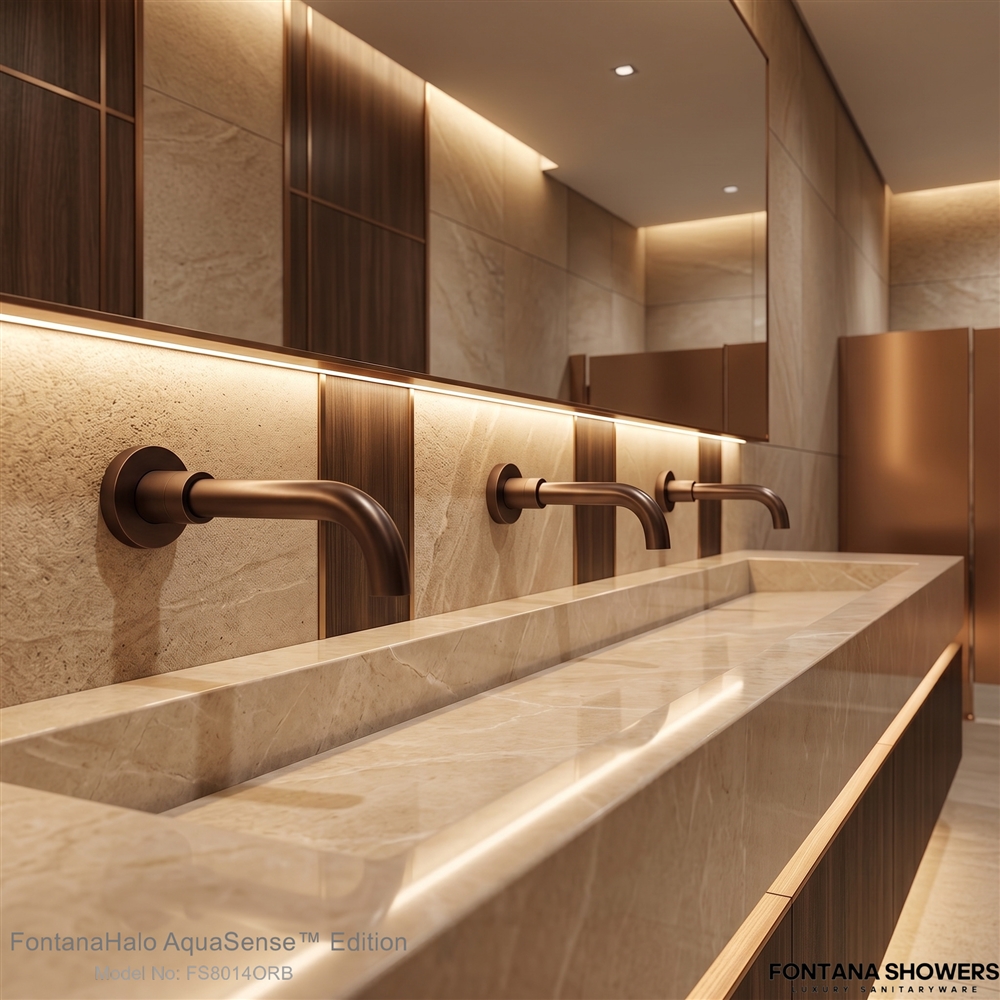
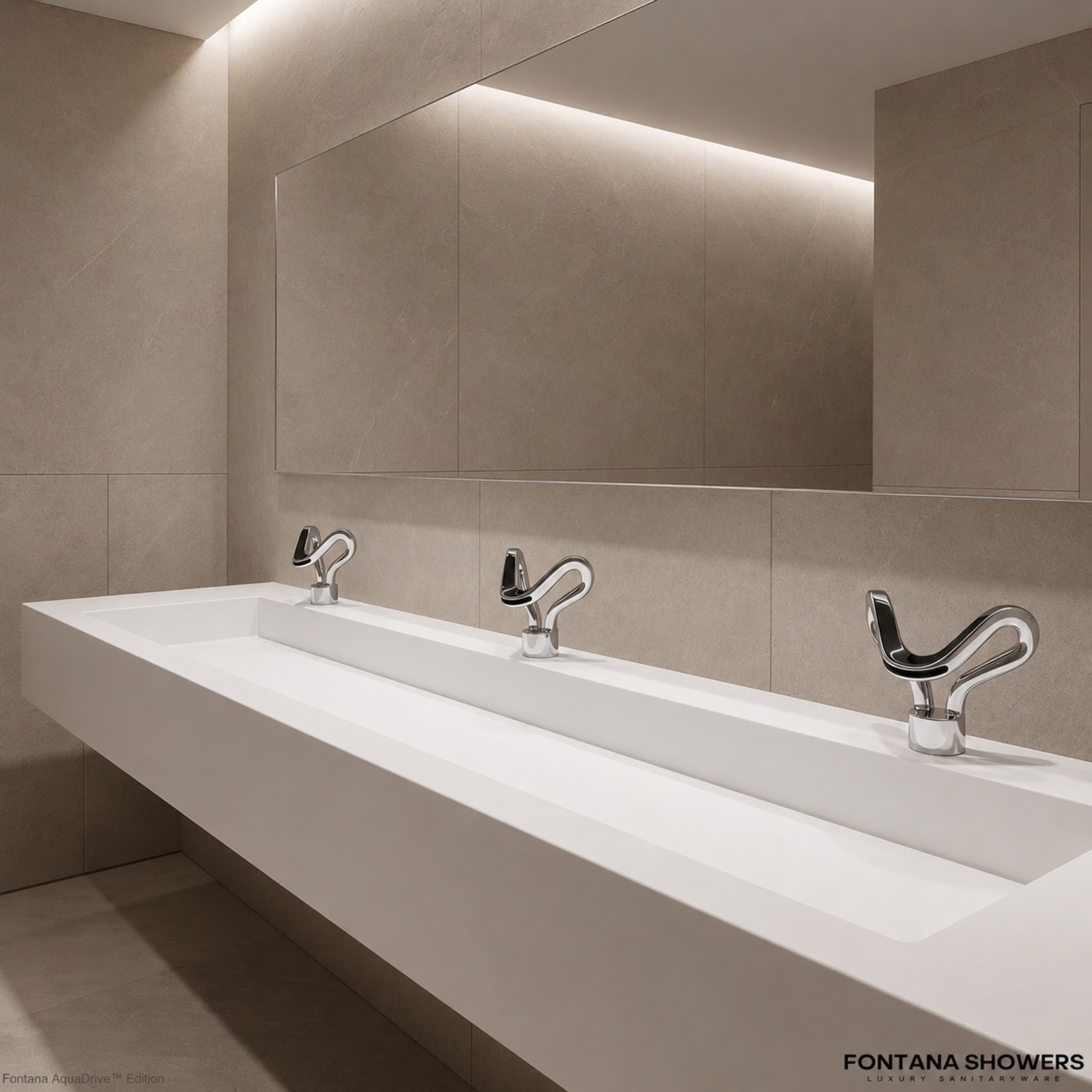
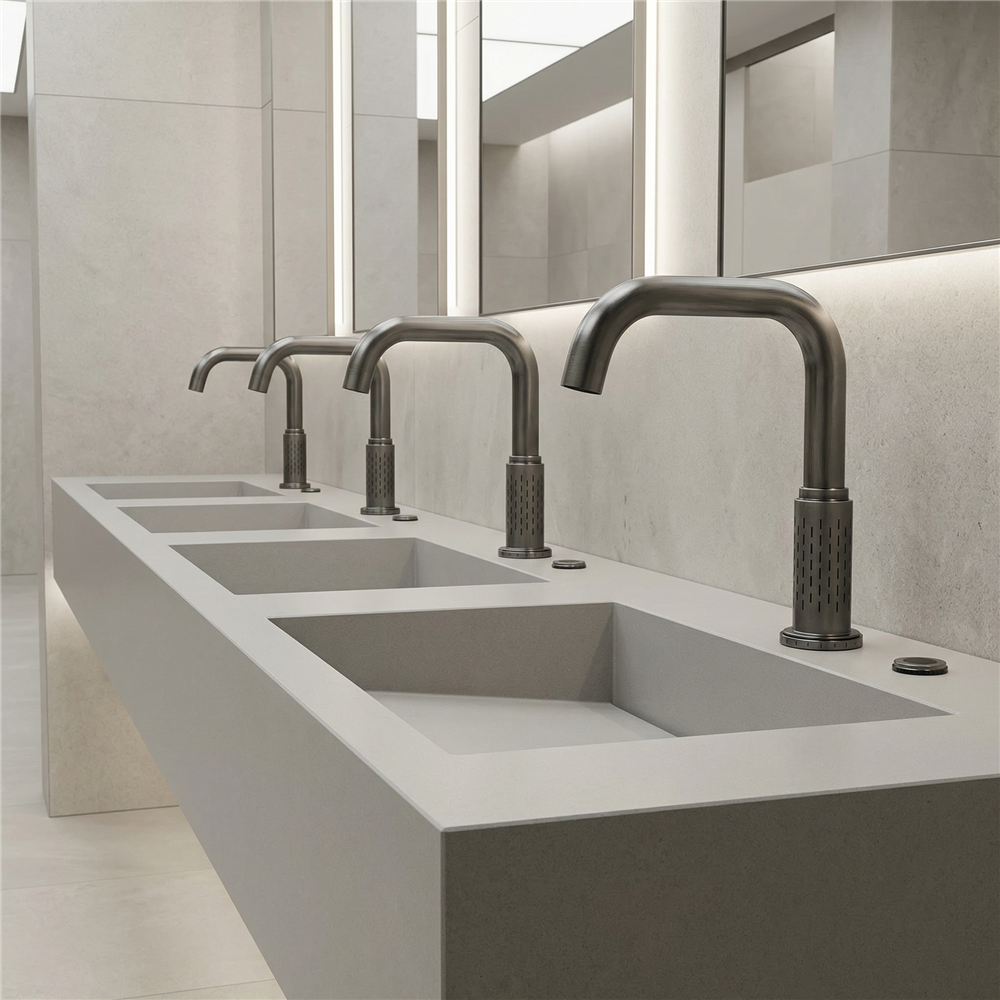
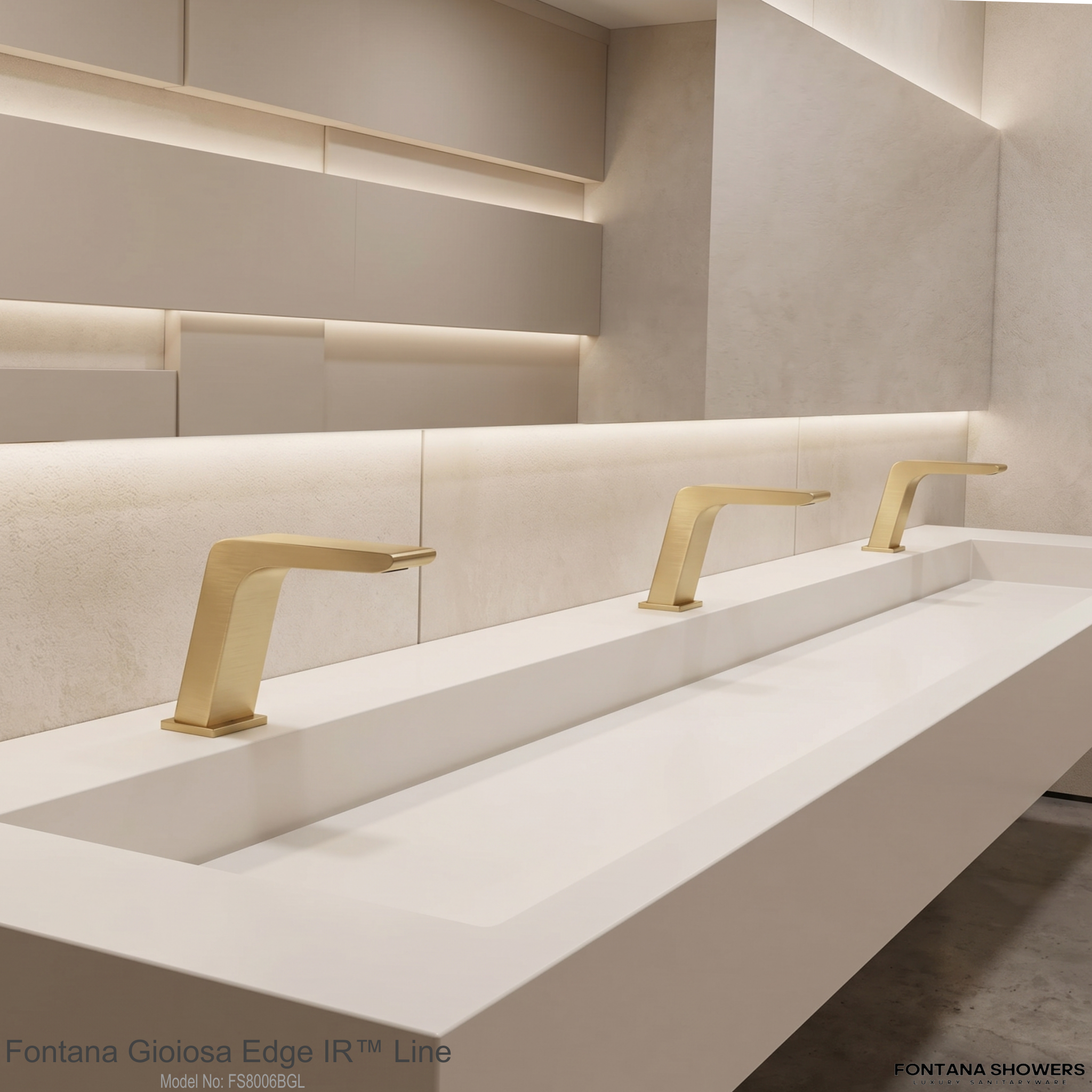
Additional image frames for the redesigned post are included below to support aviation restroom planning, airport terminal restroom upgrades, compact lavatory coordination, and touchless fixture specification review.

Where Fixtures Are Heading
Airport restroom design is moving away from simple fixture replacement and toward integrated restroom infrastructure. The best future restroom systems will combine sensor faucets, automatic soap dispensers, touch-free flush systems, water-efficient aerators, monitoring tools, and serviceable components into one coordinated passenger amenity.
Airports need restroom fixtures that can operate reliably during passenger surges, support accessibility, reduce water waste, tolerate frequent cleaning, and produce measurable operational improvements. That is why smart, sustainable, and touchless fixture strategies are becoming central to terminal modernization.
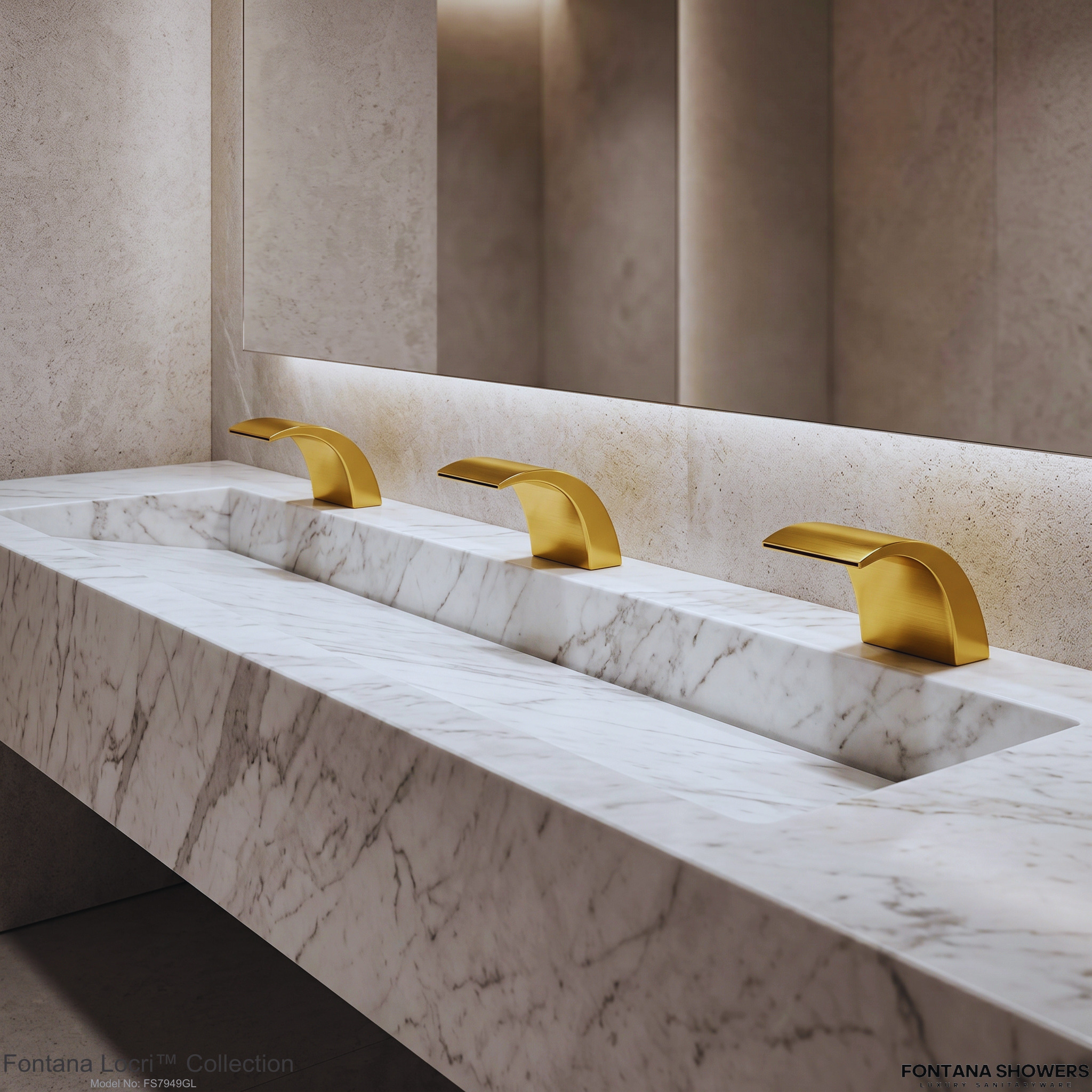
Smart
Sensor logic, automatic shutoff, usage awareness, and serviceable components improve restroom operations.
Sustainable
Low-flow delivery, leak prevention, and controlled runtime reduce unnecessary water use.
Touchless
Hands-free activation supports hygiene and improves passenger confidence in shared restrooms.
Accessible
Properly placed sensors help passengers with limited dexterity, children, and seated users.
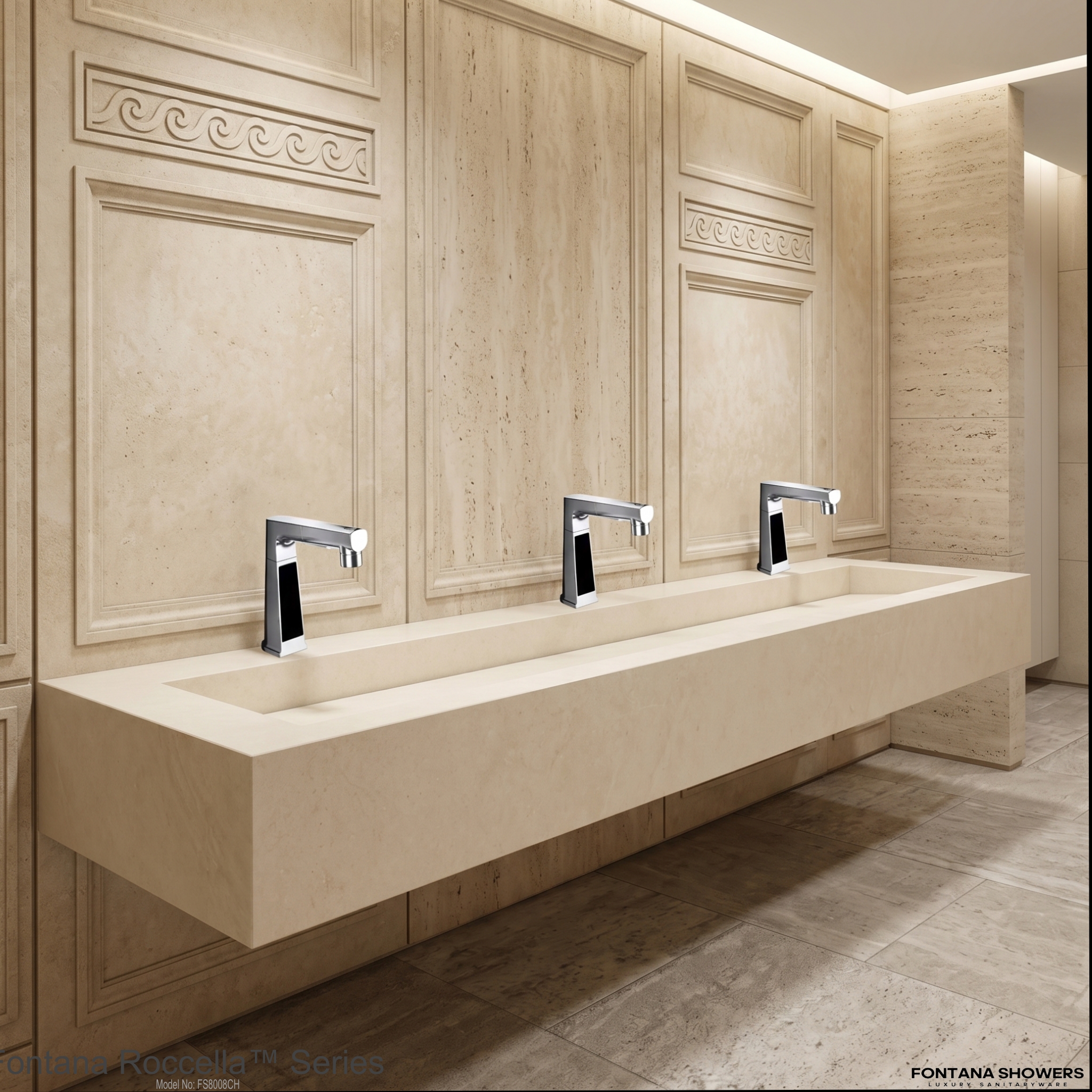
Smart Fixture Technology
Smart restroom fixtures use automation to reduce friction in passenger spaces. For faucets, that means infrared or advanced sensing, adjustable detection range, automatic shutoff, reliable solenoids, dual power options, and components that can be serviced without removing the entire fixture.
The smartest systems also help facility teams identify problems earlier. A clogged aerator, weak battery, misaligned sensor, or stuck solenoid can affect the passenger experience. Future-ready restrooms will increasingly use maintenance logs, fixture standardization, and connected restroom monitoring where practical.
| Smart Feature | Future Airport Role | Facility Benefit |
|---|---|---|
| Adjustable sensor range | Improves activation for different users and sink depths | Reduces missed activations and false triggers |
| Automatic shutoff | Stops water after use without passenger action | Reduces waste and overflow exposure |
| AC/DC power options | Supports hardwired uptime and battery backup | Improves reliability in high-traffic restroom banks |
| Serviceable solenoids and filters | Allows fast repair without full replacement | Reduces downtime and lifecycle cost |
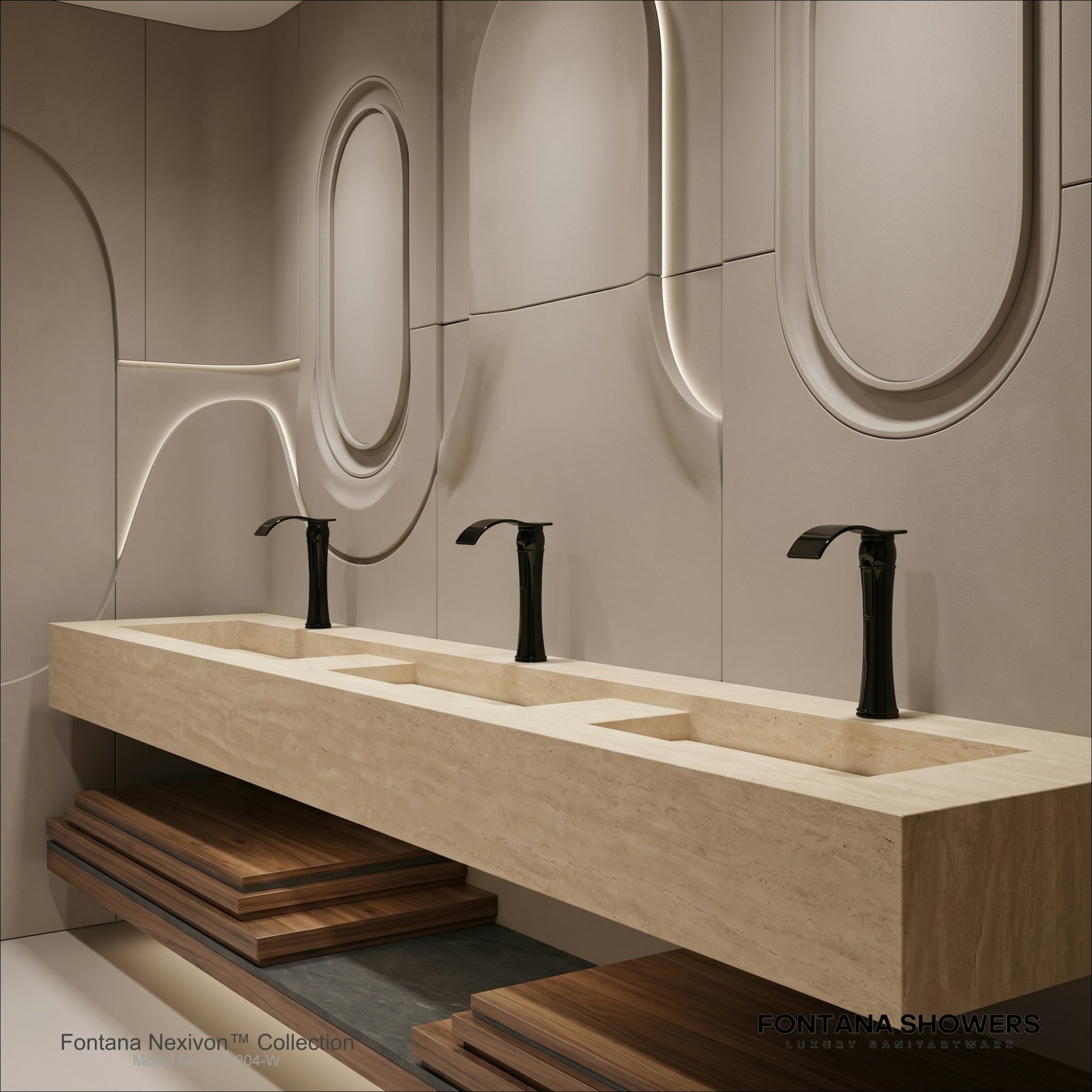
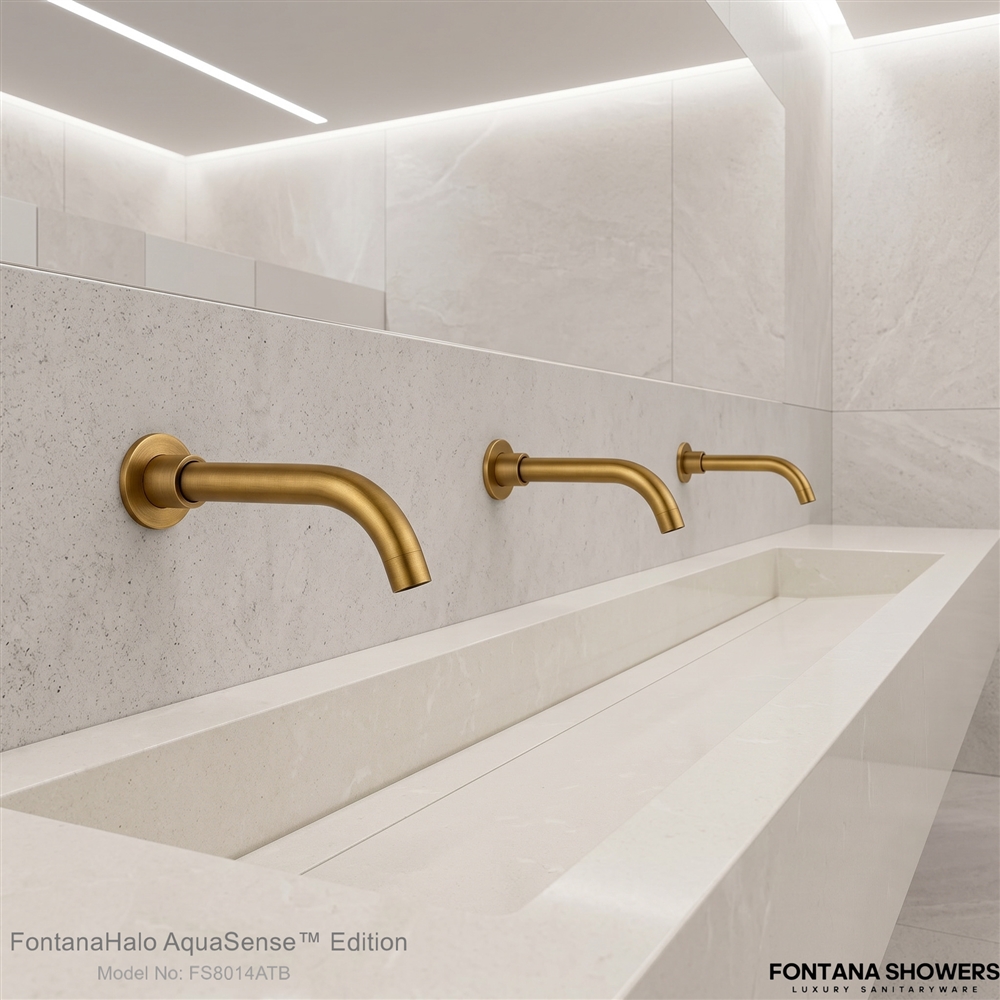
Sustainable Water-Saving Design
Sustainability in airport restrooms depends on reducing waste without reducing usability. EPA WaterSense states that WaterSense-labeled bathroom sink faucets and accessories use a maximum of 1.5 gallons per minute and can reduce sink flow by 30% or more compared with standard 2.2 GPM fixtures. In high-traffic airport restrooms, those savings can scale across many fixtures and thousands of daily uses.
Touchless technology adds another layer of water control by stopping flow when hands leave the detection zone or when a programmed timeout is reached. Future-ready fixtures will combine low-flow aerators, reliable shutoff, leak awareness, and maintenance routines to protect long-term savings.
Touchless Passenger Experience
Passengers increasingly expect airport restrooms to feel clean, fast, and intuitive. Touchless faucet systems support that expectation by allowing users to wash without touching faucet handles, reducing uncertainty around sink operation, and improving flow through the handwashing area.

2026 Performance Data
Future-ready airport restroom fixtures should be evaluated through measurable outcomes. Airports should track fixture uptime, water use, passenger feedback, soap availability, sensor response, cleaning frequency, maintenance calls, accessibility performance, and visible sink-area cleanliness.
| Performance Metric | Why It Matters | Future Fixture Strategy |
|---|---|---|
| Fixture uptime | Out-of-service sinks create restroom congestion | Use durable fixtures, spare parts, and preventive maintenance |
| Water use | Restrooms can be major daily water-use points | Use low-flow aerators and automatic shutoff |
| Sensor activation success | Passengers expect immediate response | Specify adjustable, reliable sensor systems |
| Accessibility usability | Airports serve diverse passenger needs | Coordinate sensor range, reach, clear space, and lavatory height |
| Cleaning recovery | Peak traffic can quickly degrade restroom appearance | Use smooth surfaces, controlled flow, and easier wipe-down zones |
Case Model: Future-Ready Terminal
Consider a terminal restroom modernization project. The airport wants to reduce water waste, improve hygiene perception, make cleaning more efficient, support ADA usability, and reduce fixture downtime during peak flight banks.
Measure existing faucet downtime, water use, complaint volume, sensor issues, and cleaning frequency.
Select touchless faucets with low-flow aerators, automatic shutoff, adjustable sensors, AC/DC power, and serviceable components.
Plan soap, drying, mirrors, clear floor space, sink height, drainage, and maintenance access as one restroom system.
Track water savings, uptime, restroom feedback, service calls, and cleanliness observations after installation.

FAQs
What are future-ready airport restroom fixtures?
They are smart, sustainable, touchless, accessible, durable, and serviceable fixtures designed for high-traffic aviation environments.
Why are touchless faucets important in future airport restrooms?
They reduce shared contact, improve handwashing flow, control water runtime, and create a cleaner passenger experience.
How do smart faucets support sustainability?
They combine low-flow delivery, automatic shutoff, leak prevention, and maintenance visibility to reduce unnecessary water use.
Will airport restrooms become fully touchless?
Many will move toward total touchless systems that include faucets, soap, drying, flush valves, and entry or feedback systems.
Are touchless airport faucets ADA-friendly?
They can be, but sensor placement, lavatory height, clear floor space, reach range, and accessory location must all be verified.
Conclusion
The future of airport restroom fixtures is smart, sustainable, and touchless. Smart systems improve reliability and maintenance visibility. Sustainable fixtures reduce water waste and support airport ESG goals. Touchless operation improves hygiene confidence and passenger comfort in shared high-traffic spaces.
For airports, FBOs, lounges, and terminal designers, the strongest restroom strategy is to specify touchless faucet systems as part of a complete infrastructure plan: reliable sensors, low-flow delivery, automatic shutoff, accessible lavatory design, serviceable components, and measurable performance outcomes.
Reference Sources
Use these authority and product-reference sources for additional review. Each link opens in a new tab.
