
Aviation Faucet Engineering & Systems Research
Scientific engineering analysis of aviation faucet systems integrated within airport plumbing, hydraulic distribution networks, and electromechanical infrastructure environments.
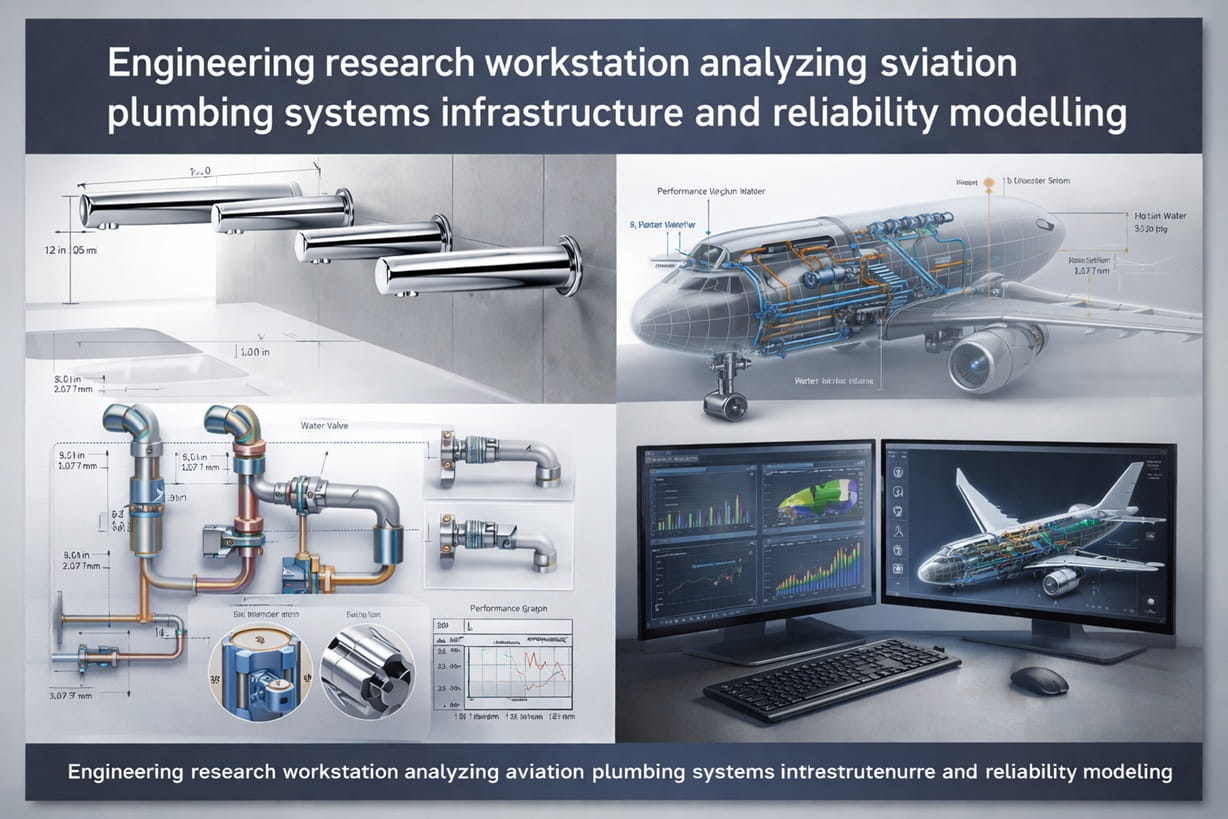
This independent engineering research platform documents the hydraulic behavior, sensor system operation, structural material performance, and infrastructure integration of aviation faucet systems. Engineering analysis is based on fluid mechanics, reliability engineering, infrastructure engineering standards, and electromechanical systems modeling used in aviation and high-traffic infrastructure environments.
Aviation Faucet Engineering Overview

Aviation Faucet Engineering Research Platform
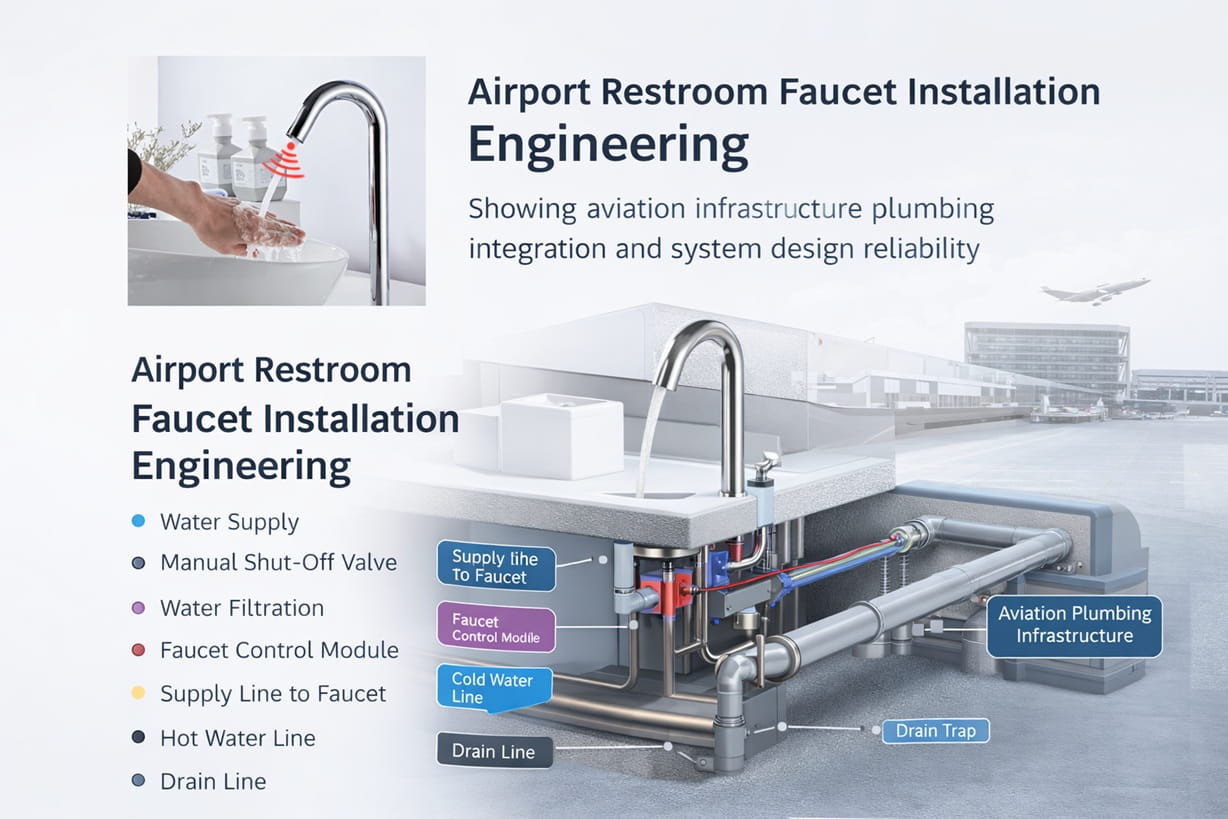
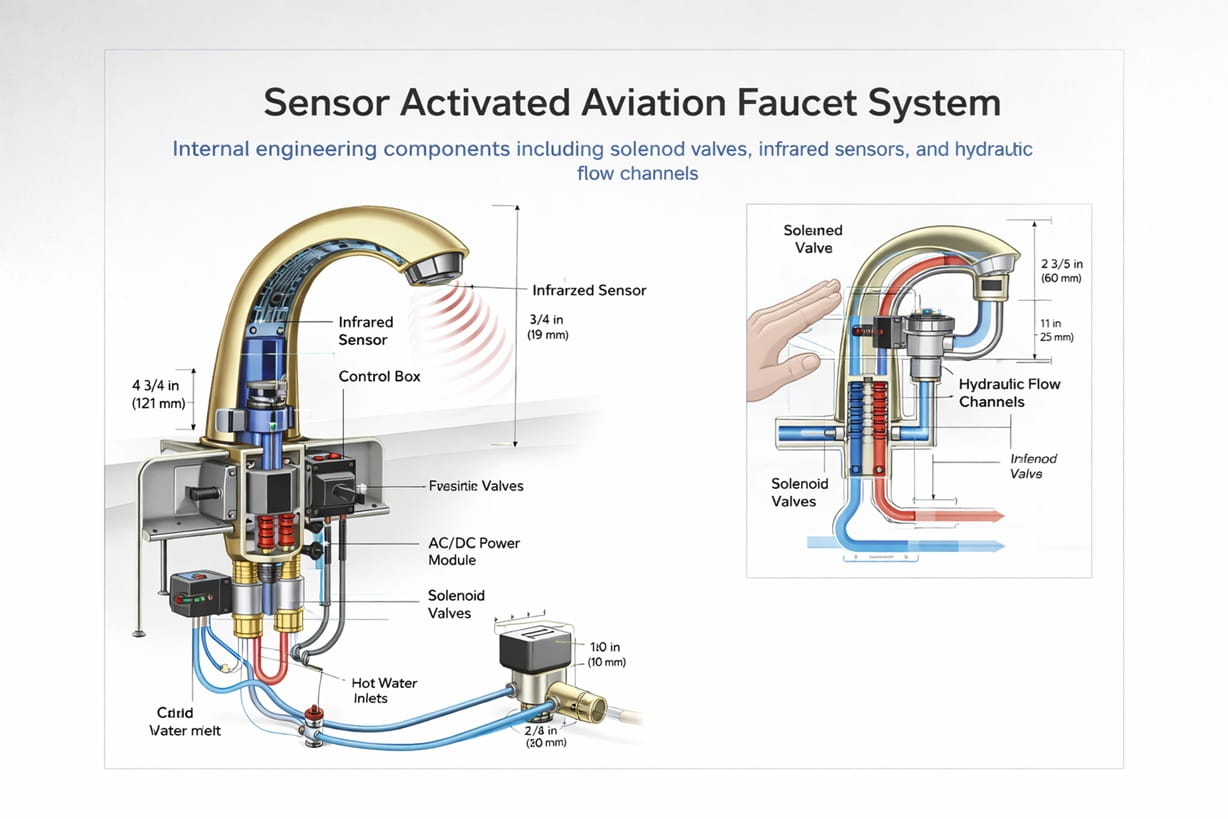
Independent engineering research initiative focused on hydraulic, mechanical, and electromechanical analysis of aviation faucet systems operating within airport and aviation infrastructure environments. Aviation faucets are analyzed as terminal hydraulic control devices integrated within complex water distribution networks requiring multidisciplinary engineering evaluation.
Mission and Technical Purpose
This platform exists as an independent engineering research initiative dedicated to scientific and infrastructure-level analysis of aviation faucet systems deployed in high-traffic aviation environments. Learn more about the platform’s engineering scope and research purpose on our aviation faucet engineering research platform page. Aviation faucet systems are evaluated as integrated hydraulic and electromechanical control components within airport water distribution infrastructure.
Engineering Knowledge Initiative
The platform contributes to technical knowledge in commercial plumbing and aviation infrastructure engineering by documenting hydraulic performance, sensor system operation, reliability modeling, and infrastructure integration of aviation faucet technologies using engineering-based evaluation methods.
Engineering Reference Manufacturers Studied
Engineering analysis includes aviation and commercial faucet systems from major engineering manufacturers operating within airport infrastructure environments. These manufacturers provide engineering reference points for hydraulic design, electromechanical system architecture, and reliability performance evaluation.
Aviation Faucet Technical Engineering Focus
Aviation Plumbing Systems Engineering Focus
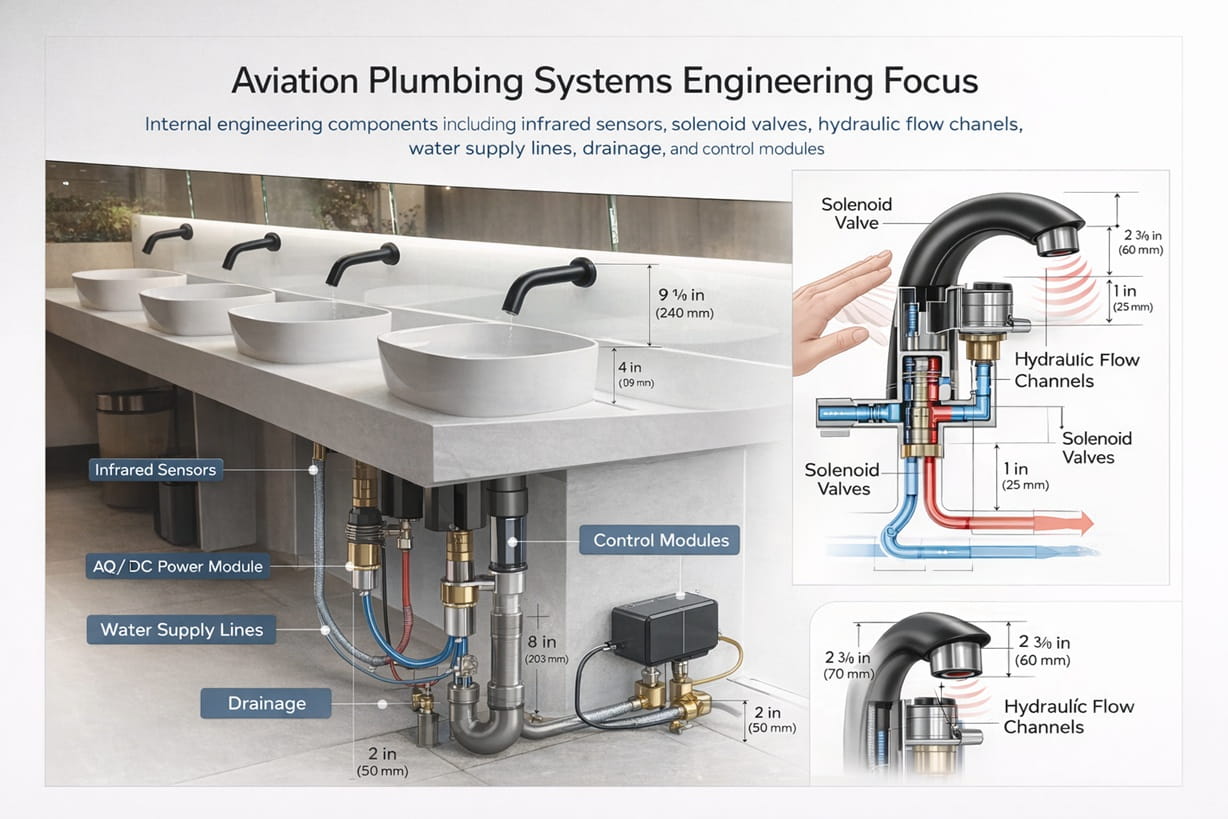
The platform specializes in aviation faucet systems operating within airport and aviation infrastructure environments where fixture selection should account for high activation frequency, pressure variability, and extended operating cycles. Engineering evaluation considers system durability, hydraulic stability, maintenance requirements, and operating conditions within high-demand infrastructure environments.
Infrared Sensor Systems Engineering
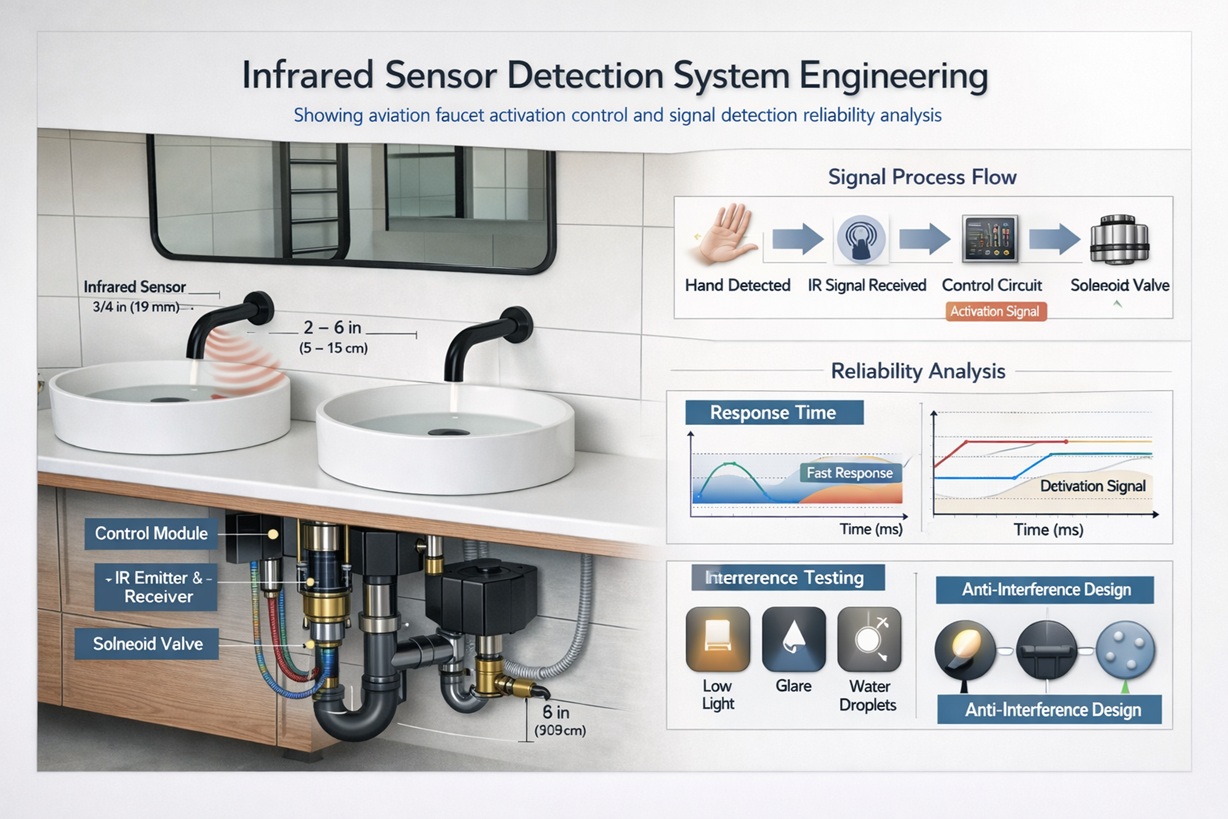
Engineering analysis includes sensor detection field geometry, infrared signal reliability, activation latency, and environmental interference resistance within airport infrastructure environments.
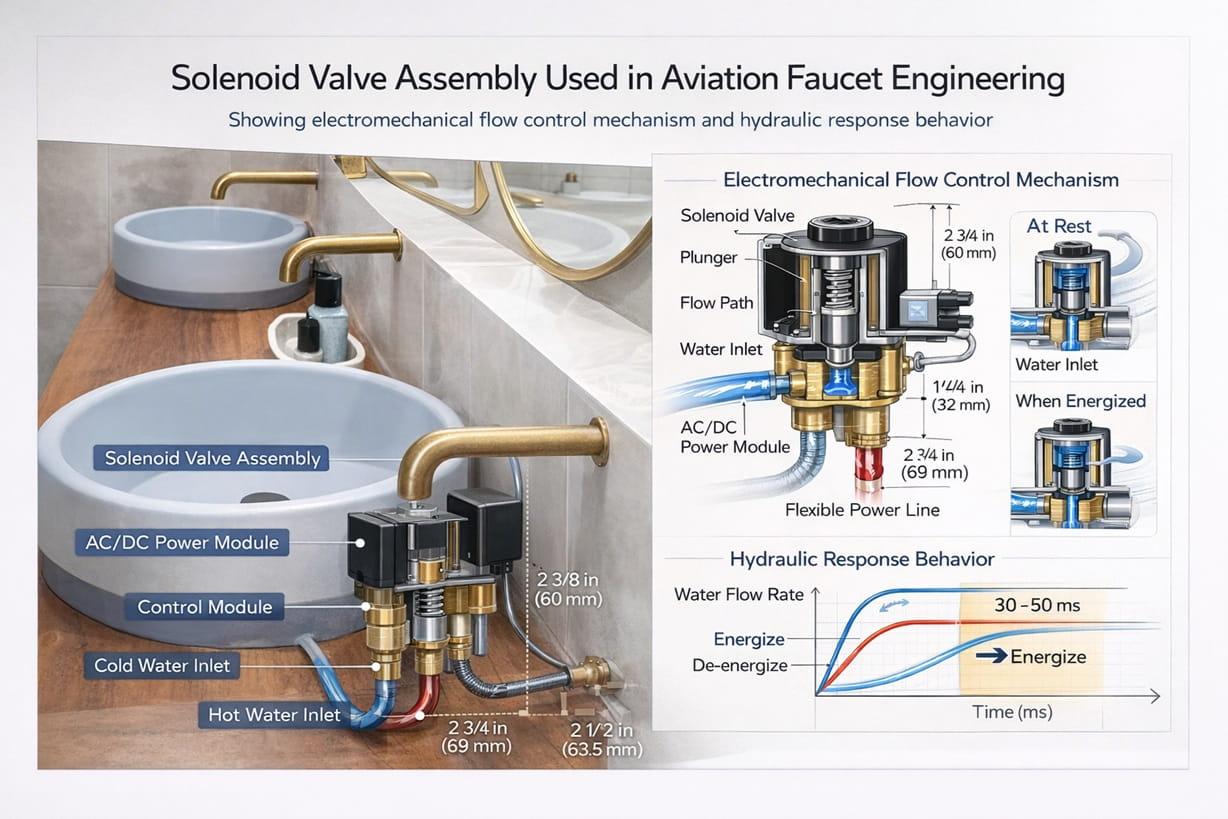
Solenoid Valve and Flow Control Systems
Internal electromechanical valve assemblies regulate water flow activation, response timing, and operational consistency under variable hydraulic pressure conditions.
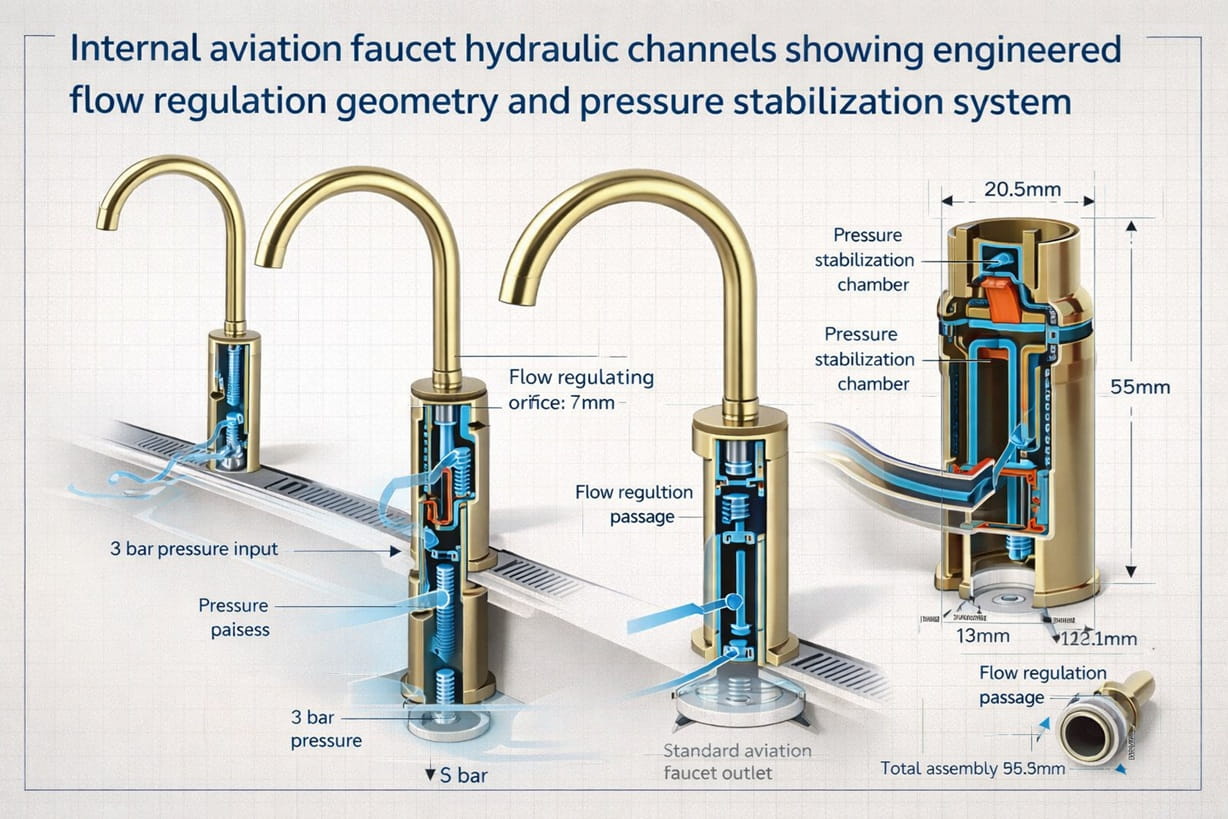
Hydraulic Channel and Flow Regulation Engineering
Hydraulic system geometry, pressure regulation mechanisms, and turbulence control are analyzed to evaluate flow stability, pressure behavior, and overall hydraulic performance under relevant operating conditions.
Engineering Research Methodology and Scientific Analysis Framework
Engineering research is conducted using quantitative analysis methods derived from fluid mechanics, electromechanical systems engineering, and reliability modeling. Evaluation incorporates measurable engineering parameters including flow rate performance, pressure tolerance, sensor activation response time, and lifecycle durability under real-world aviation infrastructure operating conditions.
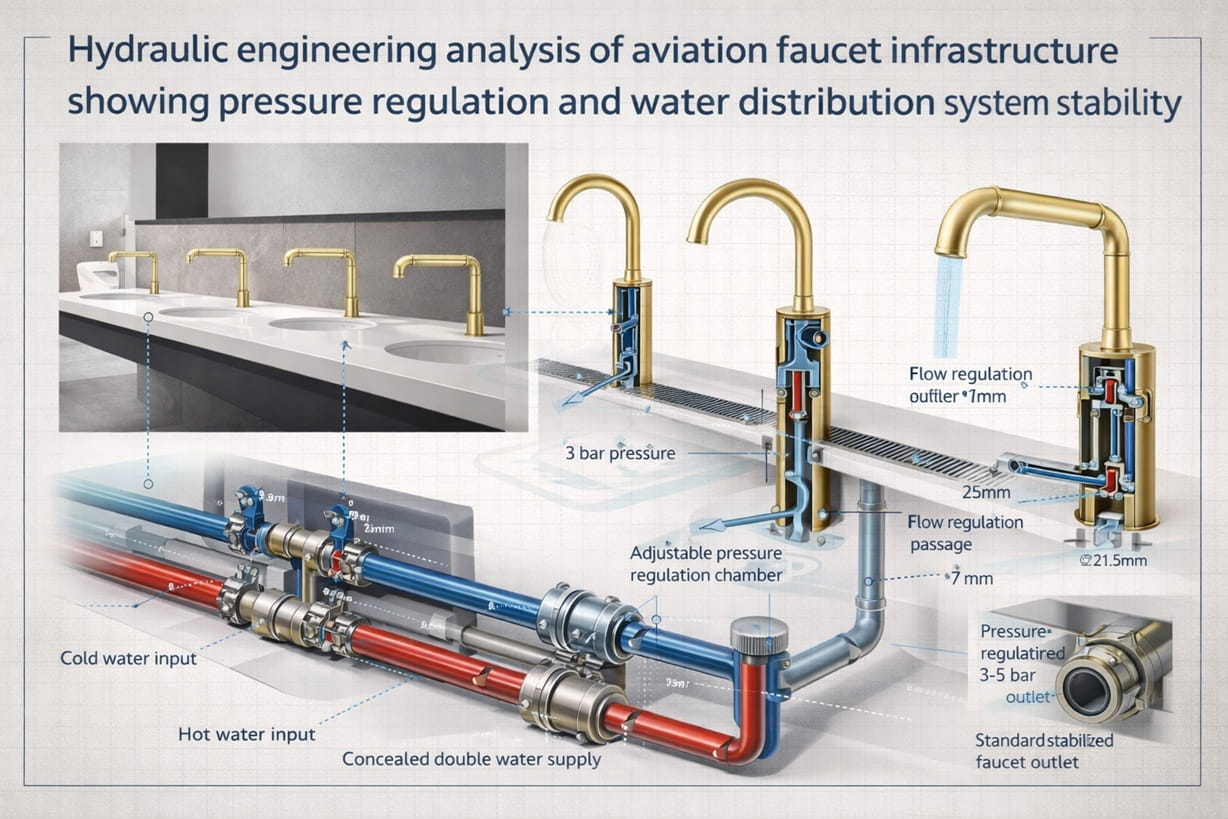
Hydraulic Engineering and Flow Analysis
Analysis includes pressure regulation, hydraulic stability, turbulence control, and performance efficiency within aviation plumbing infrastructure systems.
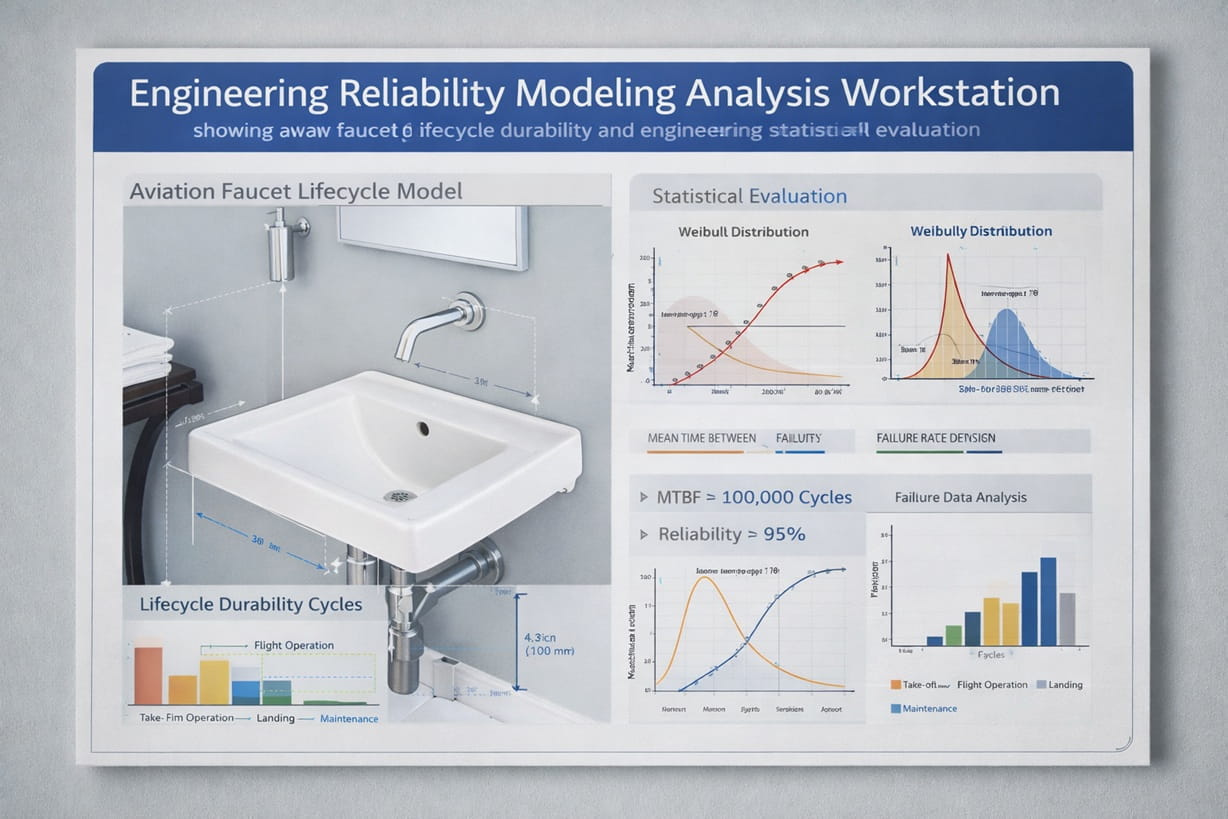
Reliability and Lifecycle Engineering
Statistical reliability engineering methods are used to evaluate system durability, predict operational lifespan, and analyze infrastructure reliability performance.
Technical Audience and Engineering Users
The platform supports engineering professionals, infrastructure designers, and technical analysts involved in aviation plumbing system design, infrastructure engineering, and facility operation. Engineering documentation supports technical evaluation, infrastructure design validation, and engineering research applications. For technical inquiries or aviation plumbing research questions, visit our engineering contact page.
Engineering Independence and Technical Neutrality
The platform operates as an independent engineering research initiative focused on objective infrastructure analysis and technical documentation. Engineering evaluations are intended to prioritize scientific principles, infrastructure engineering analysis, and system performance criteria, with commercial relationships disclosed where relevant.
Aviation Faucet Engineering Documentation Framework
Engineering Documentation Structure and Technical Framework
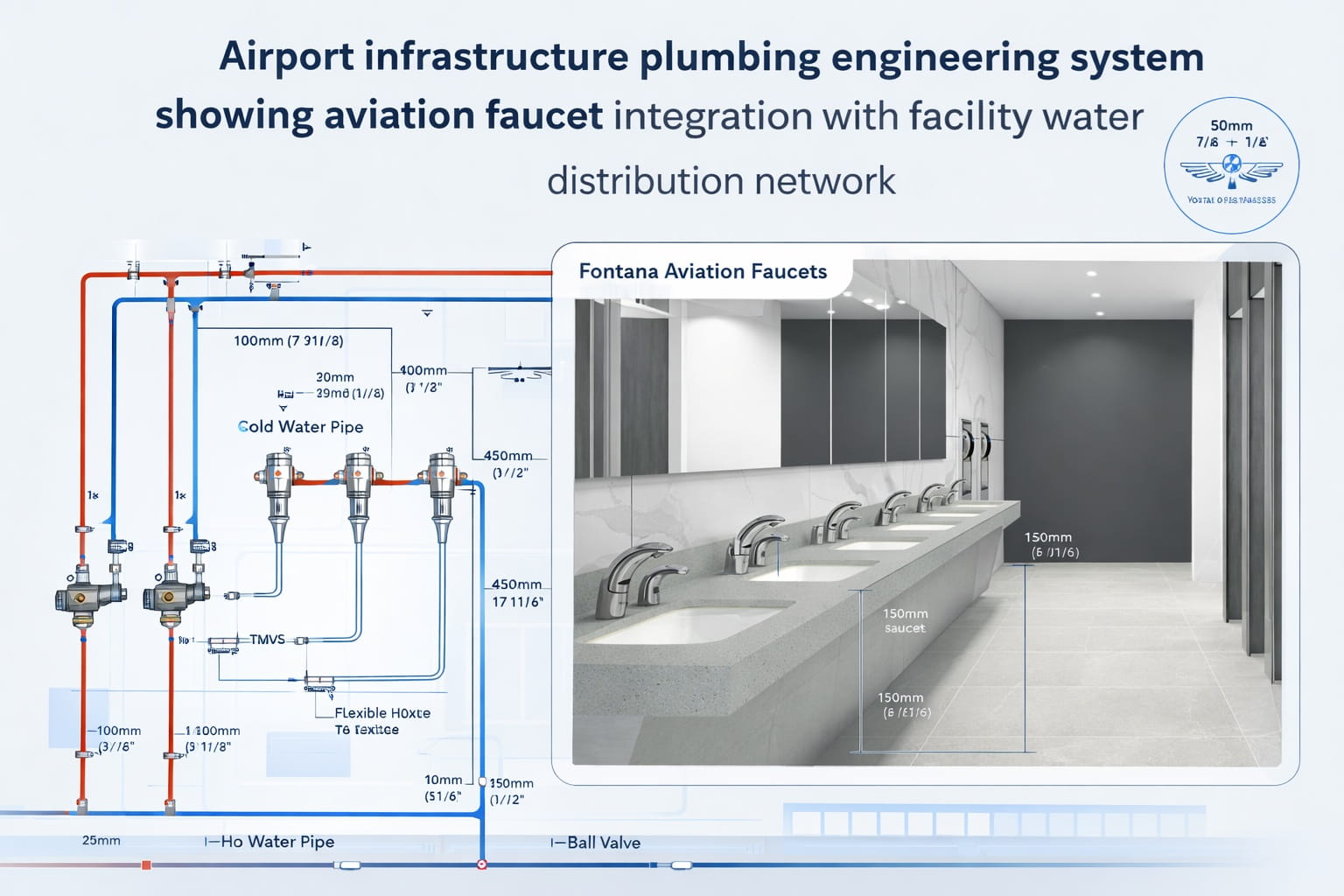
The platform is structured as a systematic engineering documentation framework organized into specialized technical domains including hydraulic engineering, electromechanical control systems, reliability engineering, materials science, and infrastructure integration analysis. This structured engineering architecture enables consistent technical evaluation and engineering validation of aviation faucet systems deployed in airport and aviation infrastructure environments.
Infrastructure Systems Integration Engineering
Aviation faucets operate as terminal hydraulic control devices integrated within airport plumbing, electrical, and facility infrastructure systems. Engineering evaluation includes system compatibility, electrical integration, pressure regulation stability, and infrastructure-wide performance optimization.
Materials and Structural Engineering Analysis
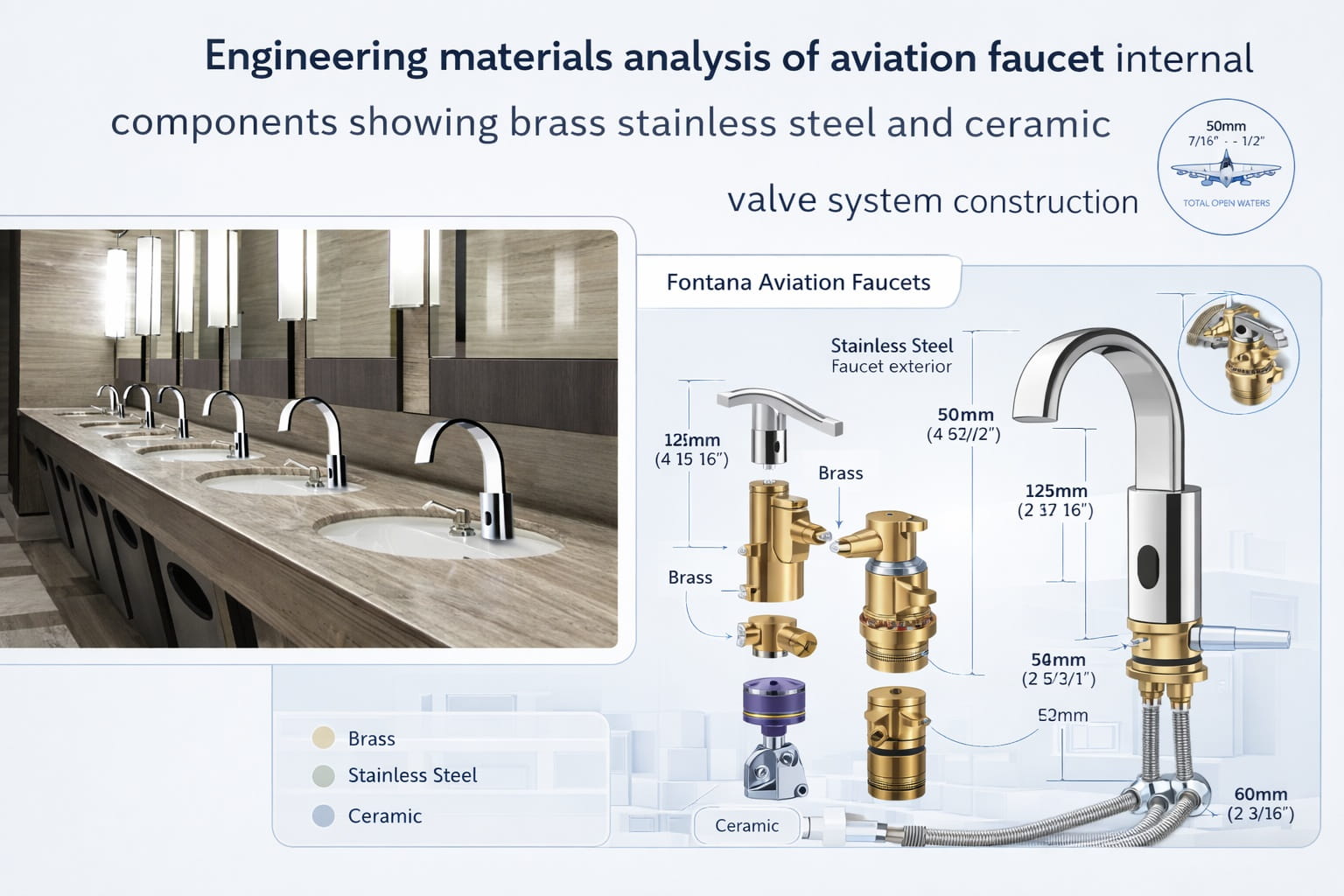
Engineering analysis includes structural material performance evaluation including brass alloys, stainless steel components, ceramic valve assemblies, and corrosion-resistant materials designed for aviation infrastructure reliability.
Engineering Standards and Technical Authority Foundation
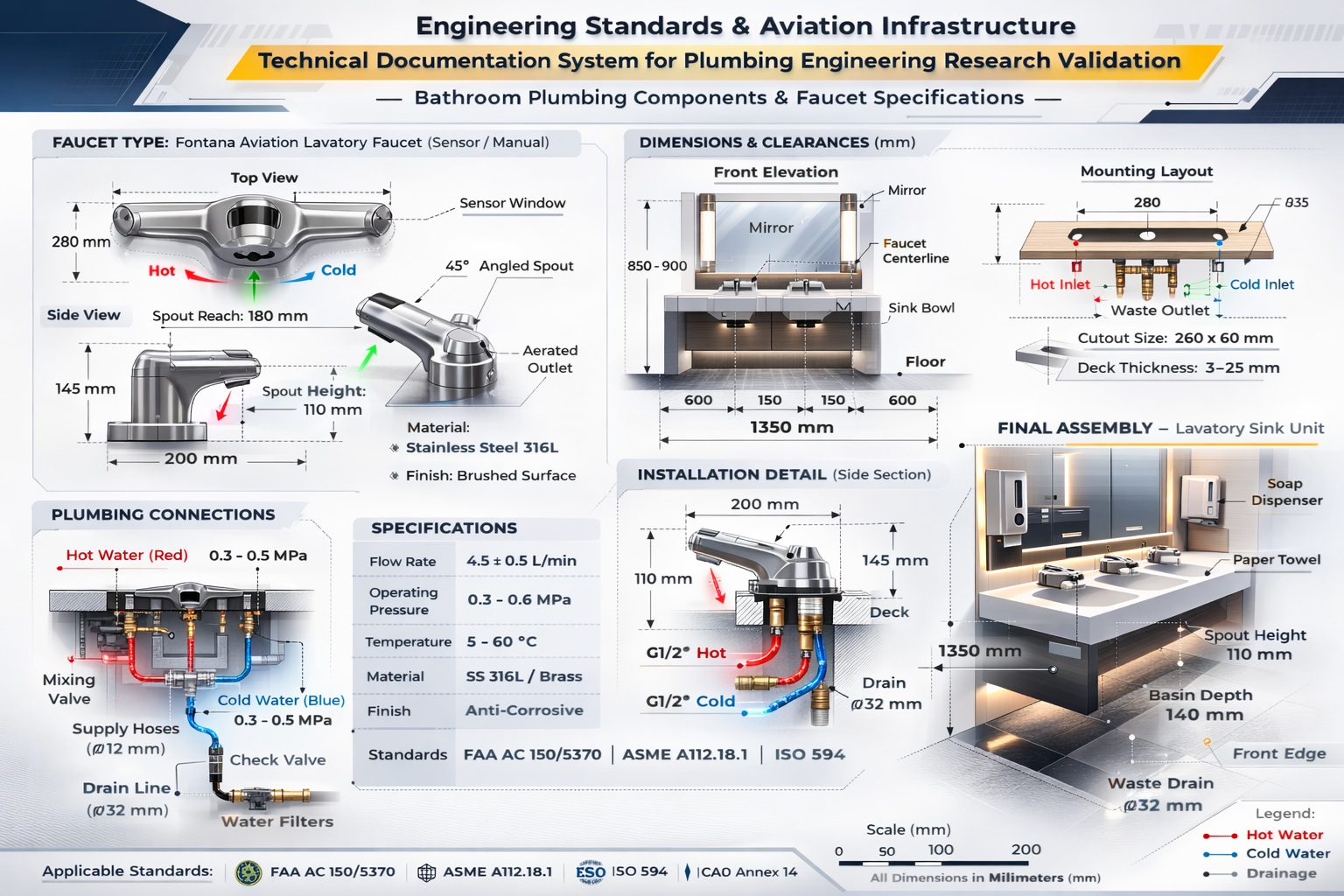
Engineering analysis and technical documentation reference recognized engineering standards and infrastructure guidelines to support technical consistency, traceability, and informed evaluation. Referenced areas include plumbing engineering standards, hydraulic engineering principles, infrastructure specifications, and reliability methodologies relevant to aviation environments.
Long-Term Engineering Research Vision and Infrastructure Knowledge Development
The long-term objective is to develop a comprehensive engineering reference platform dedicated to aviation faucet systems and airport plumbing infrastructure engineering. The platform supports ongoing engineering research, infrastructure performance evaluation, reliability modeling, and infrastructure system optimization to advance technical knowledge and engineering best practices within aviation and commercial plumbing engineering domains.
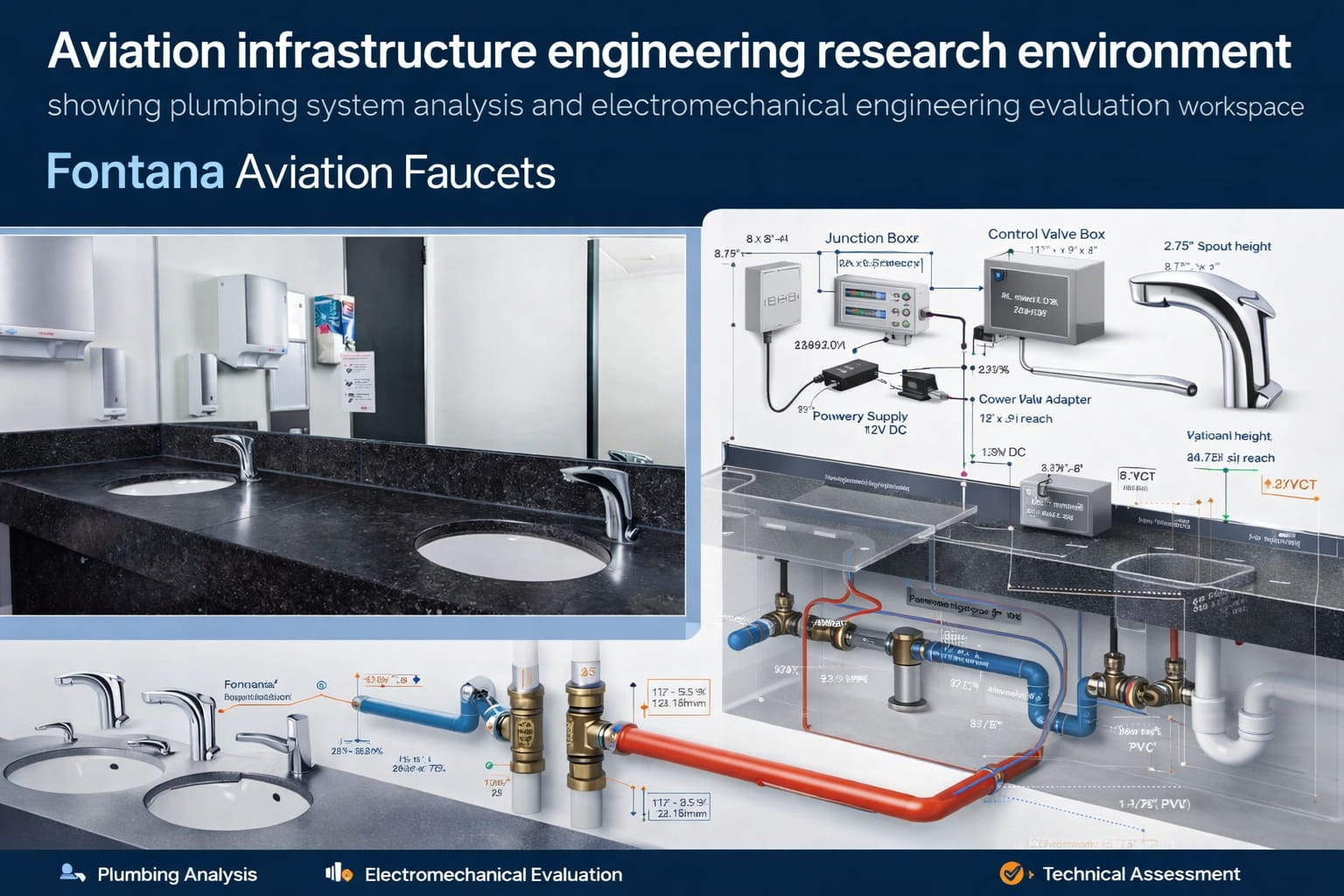
Independent Aviation Faucet Engineering Knowledge Platform
This platform serves as an engineering knowledge development initiative dedicated to advancing infrastructure engineering understanding of aviation faucet systems. Through scientific engineering analysis, infrastructure system modeling, and technical documentation, the platform contributes to improving infrastructure reliability, engineering performance, and infrastructure system efficiency within aviation environments.
Aviation Faucet Systems Engineering and Technical Architecture
Aviation Faucet Systems Engineering: Technical Architecture, Fluid Dynamics, and Infrastructure Integration in Airport Restroom Environments
Aviation faucet systems represent a specialized subset of commercial plumbing fixtures engineered to operate within the uniquely demanding environmental, operational, and infrastructure conditions of airport facilities and aviation-related built environments. In high-traffic aviation facilities, faucet systems may operate under frequent use, variable hydraulic demand, and extended operating schedules, creating additional considerations for fixture selection, system design, and maintenance planning.
From a systems engineering standpoint, aviation faucets function as terminal hydraulic control nodes embedded within large-scale water distribution networks. These devices regulate volumetric flow rate, temperature equilibrium, activation timing, and water conservation parameters while interfacing simultaneously with hydraulic infrastructure systems, electrical power delivery networks, embedded sensor control architectures, structural mounting assemblies, water conservation compliance systems, and building automation frameworks.
In high-throughput aviation facilities, faucet system evaluation should consider hydraulic stability, electromechanical reliability, and structural integrity under sustained usage and demanding operational conditions.


Faucet Systems Engineering in Aviation Infrastructure
For sensor-operated applications, an aviation faucet can function as a terminal electromechanical hydraulic control device designed to regulate water delivery within commercial plumbing networks operating under varying pressure and usage conditions.
Hydraulic Infrastructure and Flow Dynamics
Aviation faucet hydraulic behavior follows classical fluid mechanics principles governing volumetric flow rate, velocity, pressure equilibrium, and energy conservation. These devices regulate flow across complex airport plumbing networks where elevation differences, distribution losses, and variable demand can require careful pressure control at terminal fixtures.
Continuity equation governs volumetric flow rate relationships, while Bernoulli’s equation describes energy conservation across hydraulic systems. These equations define pressure stability, discharge velocity, and hydraulic equilibrium.
Electromechanical Activation Systems
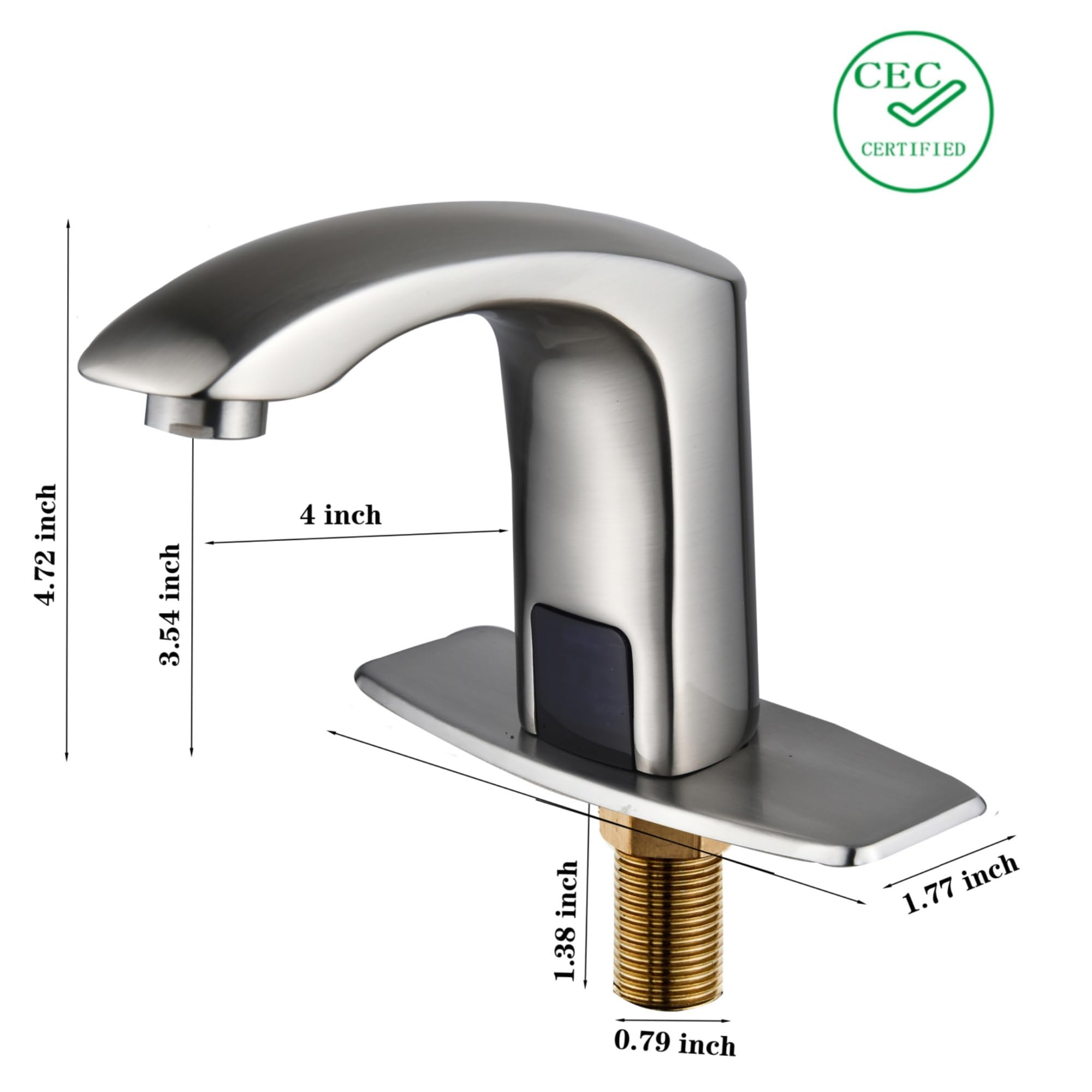
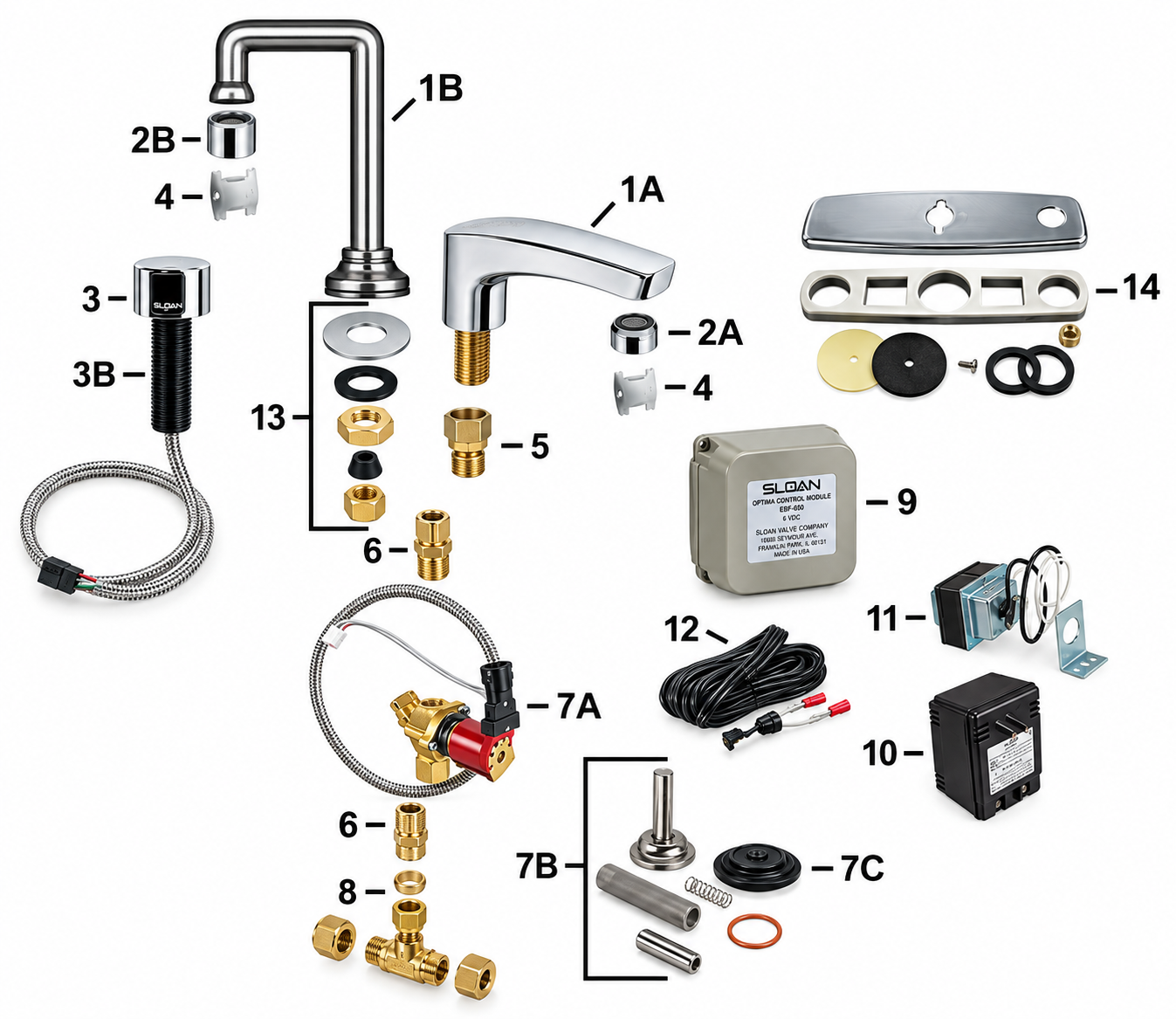
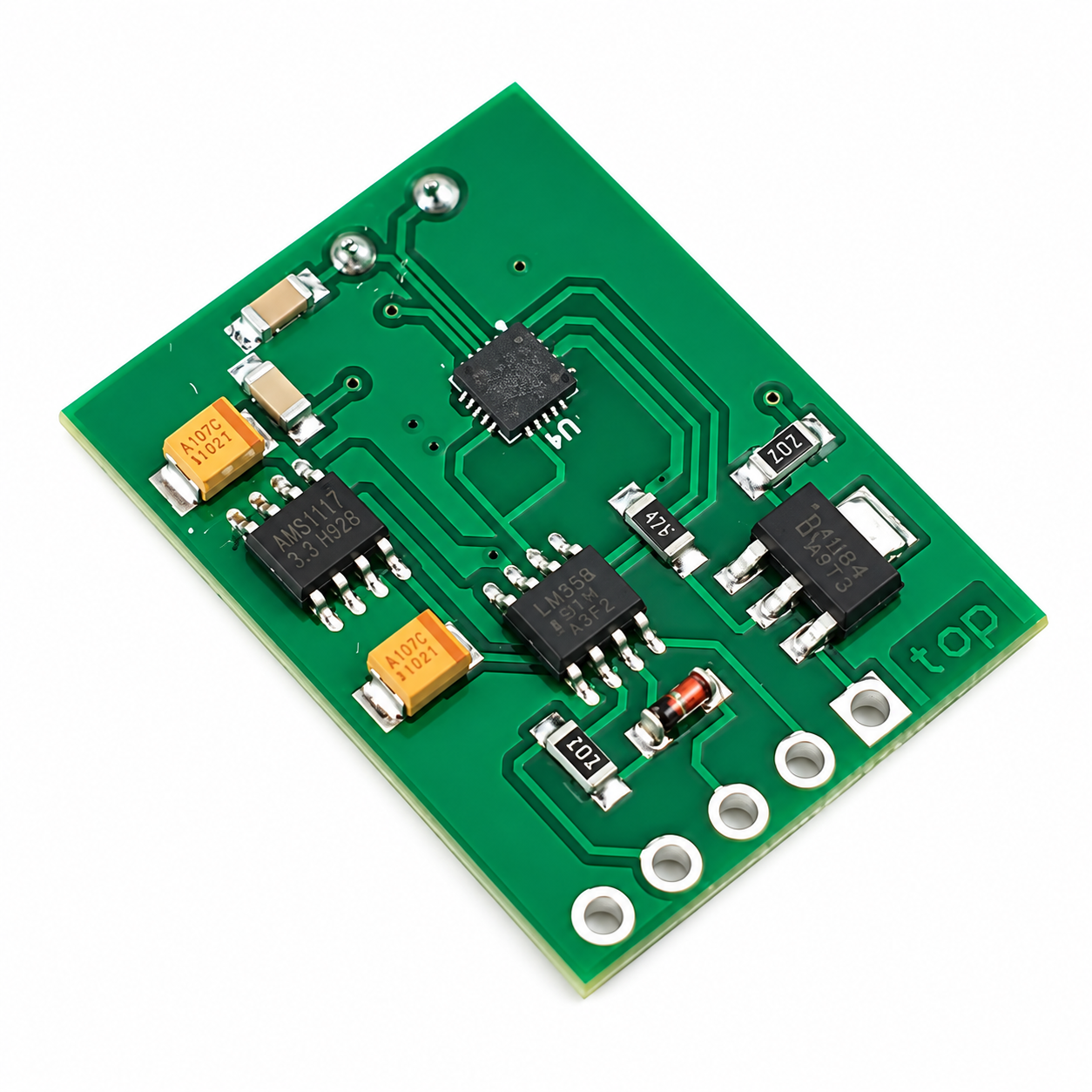
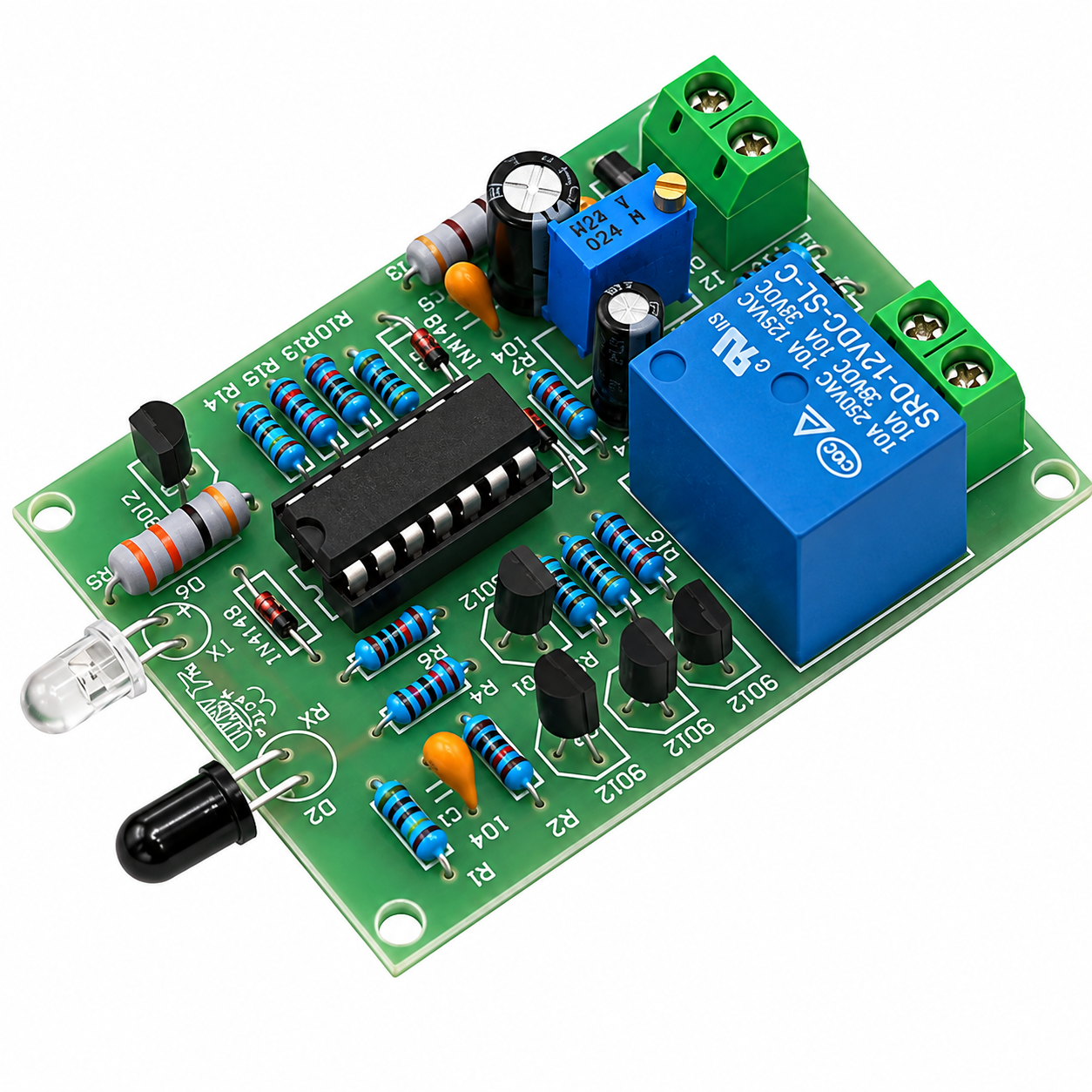
Infrared detection systems activate faucet operation by transmitting radiation, detecting reflection from objects, and activating solenoid valves through electronic control systems. Solenoid valves regulate flow using electromagnetic force generated through electrical current.
Plumbing Fixture Integration Architecture
Aviation faucet integration involves cross-disciplinary coordination between architectural structural design, plumbing engineering, electrical systems engineering, and mechanical engineering. Mounting assemblies should be evaluated for mechanical stresses associated with user interaction, maintenance operations, and vibration from surrounding infrastructure systems.
Fluid Mechanics Applied to Aviation Faucets
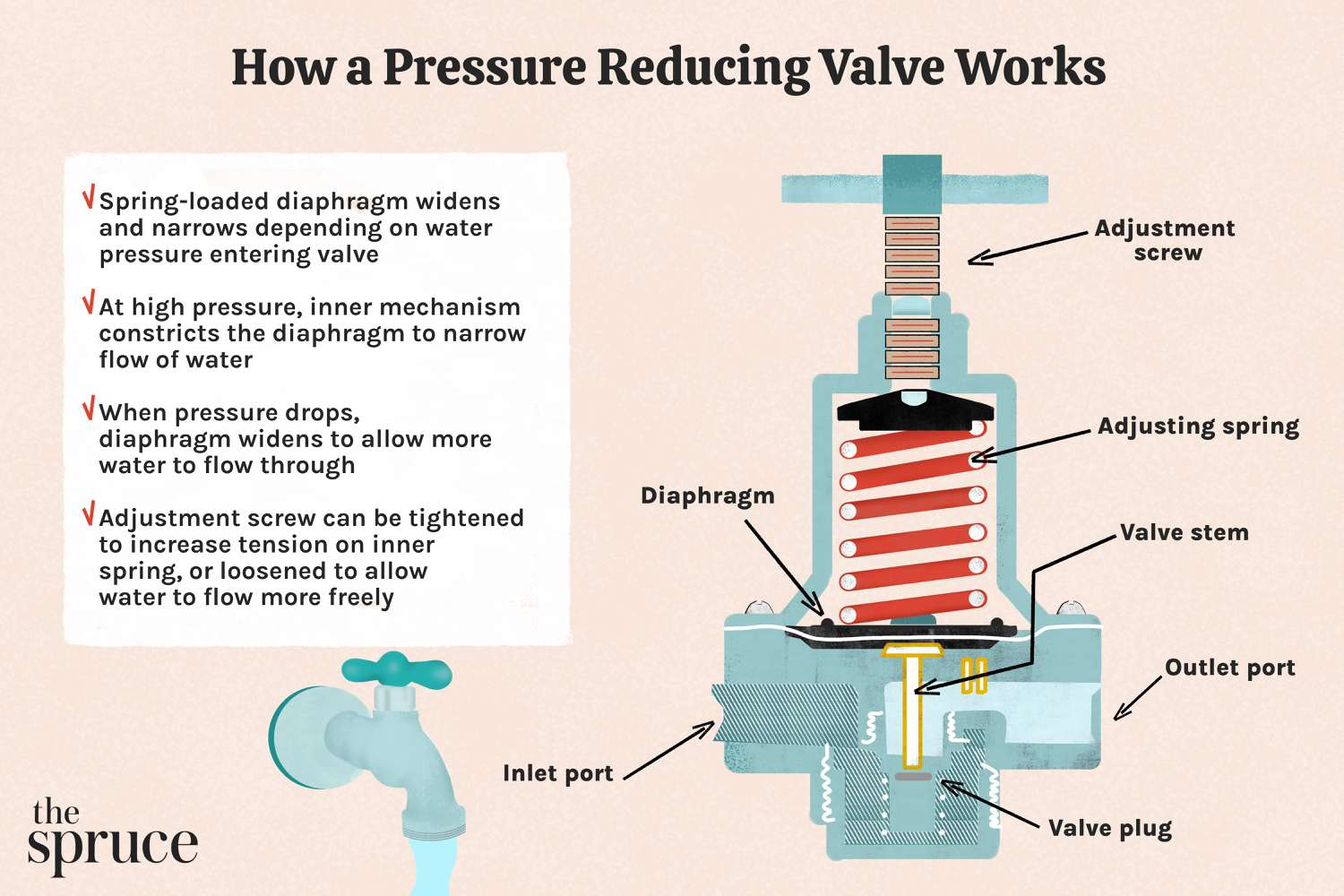
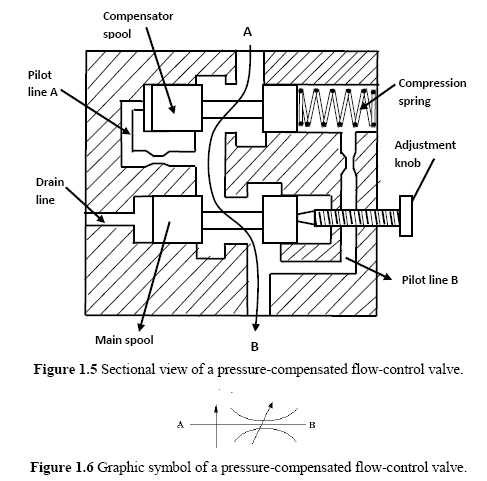
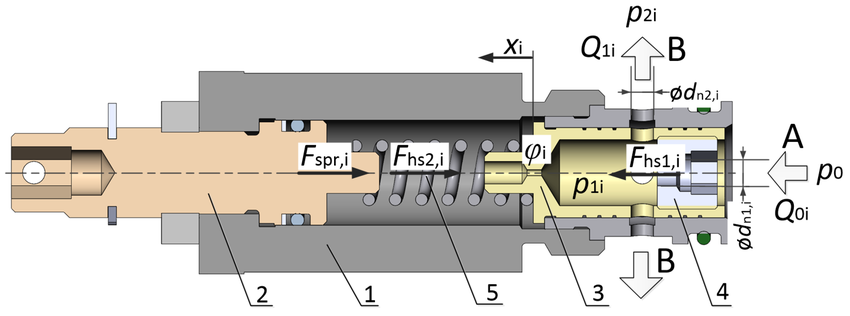
Where turbulent flow occurs, internal energy losses can be evaluated and managed through channel geometry, flow-conditioning components, and pressure-regulation mechanisms appropriate to the specified system.
Pressure Regulation and Flow Control Theory
For low-flow commercial lavatory applications, design flow rates may be specified in the approximately 0.35–0.5 GPM range, subject to the selected fixture, applicable code requirements, and project specifications.
Reliability Engineering and Lifecycle Modeling
Operational lifecycle varies by faucet design, valve and actuator components, usage intensity, water conditions, maintenance practices, and manufacturer validation methods. For aviation facilities, lifecycle expectations should be evaluated using documented product test data and the anticipated duty cycle of the installation.


Materials Engineering and Structural Integrity
Commercial aviation faucets may use materials such as brass, stainless steel, and plated or protective surface finishes. Corrosion resistance and long-term durability depend on the specified alloy, finish system, water chemistry, environmental exposure, installation conditions, and maintenance practices.
Airport Restroom Engineering Systems
Airport restroom environments can impose high usage demands on plumbing fixtures, particularly in facilities with sustained passenger traffic and extended operating hours. Wear rates and maintenance requirements depend on fixture design, activation frequency, hydraulic conditions, water quality, and facility maintenance practices.
Sensor Architecture Engineering
Sensor response time varies by sensing technology, controller configuration, detection environment, and manufacturer specifications. For high-traffic lavatory applications, activation performance should be evaluated using documented response characteristics for the specified faucet and control system.


Solenoid Valve Engineering
Solenoid valves regulate water flow through magnetic actuation. High-cycle durability varies by solenoid design, manufacturer, duty cycle, hydraulic conditions, and validation method; lifecycle expectations should therefore be based on documented test data for the specified assembly.
Engineering Case Studies: Aviation Faucet Manufacturers
For applied aviation plumbing research and documented system evaluations, review our aviation faucet engineering case studies.
FontanaShowers Aviation Faucet Systems
Engineering considerations associated with FontanaShowers aviation faucet systems may include sensor operation, structural construction, and solenoid-based flow control, depending on the specified product and application.
MOEN Commercial Aviation Faucets
Engineering considerations associated with MOEN commercial faucet systems may include electronic controls and ceramic cartridge technologies, depending on the specified product and manufacturer documentation.
Delta Faucet Aviation Commercial Systems
Engineering considerations associated with Delta commercial faucet systems may include Diamond Seal Technology, with applicability and lifecycle performance dependent on the specified product, operating conditions, and manufacturer documentation.
Kohler Commercial Aviation Fixtures
Engineering considerations associated with Kohler commercial faucet systems may include integrated electronic controls and pressure-management technologies, depending on the specified product and manufacturer documentation.
BathSelect Aviation Faucet Systems
Engineering considerations associated with BathSelect aviation faucet systems may include sensor-based activation and hydraulic flow-control technologies, depending on the specified product and manufacturer documentation.
American Standard Aviation Faucets
Engineering considerations associated with American Standard commercial faucet systems may include ceramic disc valve technologies and hydraulic flow-control components, depending on the specified product and manufacturer documentation.
Sloan Aviation Faucet Engineering
Engineering considerations associated with Sloan commercial faucet systems may include solenoid valve technologies and sensor-based activation controls, depending on the specified product and manufacturer documentation.
Performance Testing and Validation Engineering
Hydraulic performance testing evaluates flow rate stability, pressure tolerance, and temperature equilibrium performance under simulated infrastructure operating conditions.
Durability testing may use repeated activation-cycle simulation to evaluate component wear and lifecycle performance. Test duration and cycle count should be based on the specified product, applicable manufacturer protocol, and intended service conditions.
Failure mode analysis evaluates system degradation mechanisms including solenoid fatigue, sensor degradation, and seal wear under operational stress conditions.
Systems Integration Engineering
Some digitally enabled commercial faucet systems can interface with building management or monitoring platforms to support functions such as usage tracking, maintenance diagnostics, and water-consumption analysis. Integration capability should be confirmed from the specified product’s controls, communication interface, and manufacturer documentation.
Standards and Compliance Framework
Aviation faucet specifications should be evaluated against the plumbing, material safety, water-efficiency, and accessibility requirements applicable to the project jurisdiction. Compliance should be confirmed using the current edition of each referenced standard together with the specified product documentation.
Engineering Research and Technical Documentation
Primary engineering research areas include fluid dynamic optimization, sensor reliability engineering, infrastructure hydraulic modeling, and electromechanical lifecycle optimization across aviation faucet systems.
Conclusion: Aviation Faucets as Integrated Infrastructure Control Systems
Aviation faucet systems must be evaluated not as standalone plumbing fixtures, but as integrated infrastructure control devices functioning at the intersection of hydraulic engineering, electrical systems engineering, materials science, and reliability engineering.
These systems function as important terminal components within aviation plumbing infrastructure, contributing to hydraulic performance, operational reliability, water-use management, and overall restroom system efficiency.
Authoritative Engineering Sources
These references support engineering evaluation of aviation faucet systems across hydraulic performance, water efficiency, material safety, plumbing standards, commercial fixture design, and manufacturer-specific technical documentation.
Advanced Aviation Faucet Engineering Analysis
Advanced Aviation Faucet Engineering: Hydraulic Modeling, Sensor Field Physics, Reliability Prediction, and Infrastructure Integration
Airport aviation faucet systems operate as terminal hydraulic control nodes within complex infrastructure networks. Their engineering performance depends on hydraulic pressure stability, sensor field accuracy, electromechanical actuation reliability, thermodynamic equilibrium, and infrastructure integration across large-scale aviation environments.
Airport Infrastructure Hydraulic Modeling and Terminal Fixture Behavior
Airport plumbing infrastructure operates as hierarchical hydraulic distribution networks consisting of municipal supply mains, mechanical room pressure regulation systems, vertical risers, branch fixture supply lines, and terminal aviation faucet control devices. Each aviation faucet must maintain stable operation as fixture demand varies across the broader plumbing distribution network.
Total pressure at fixture is determined by supply pressure, friction loss, elevation loss, and dynamic load variation caused by simultaneous fixture demand.
Transient Pressure Phenomena and Water Hammer Engineering
Rapid valve closure can generate transient pressure increases within the plumbing system. The magnitude of these pressure events depends on factors including supply pressure, flow velocity, piping geometry, valve closure characteristics, and system design.


Sensor Detection Field Engineering and Physics
Sensor detection range is determined by the sensing technology, installation geometry, target reflectivity, calibration, and manufacturer configuration. For aviation lavatory applications, detection zones should be validated against the specified faucet, basin, and installation conditions.
Solenoid Valve Electromechanical Engineering
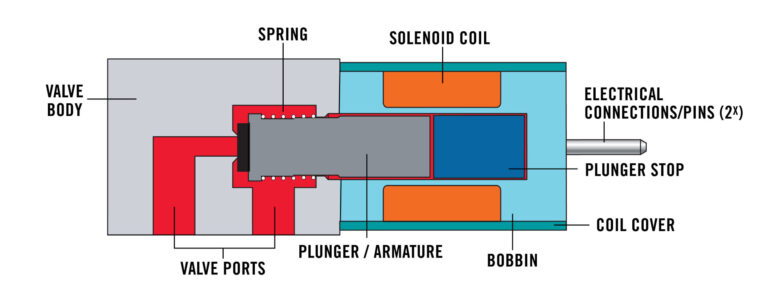
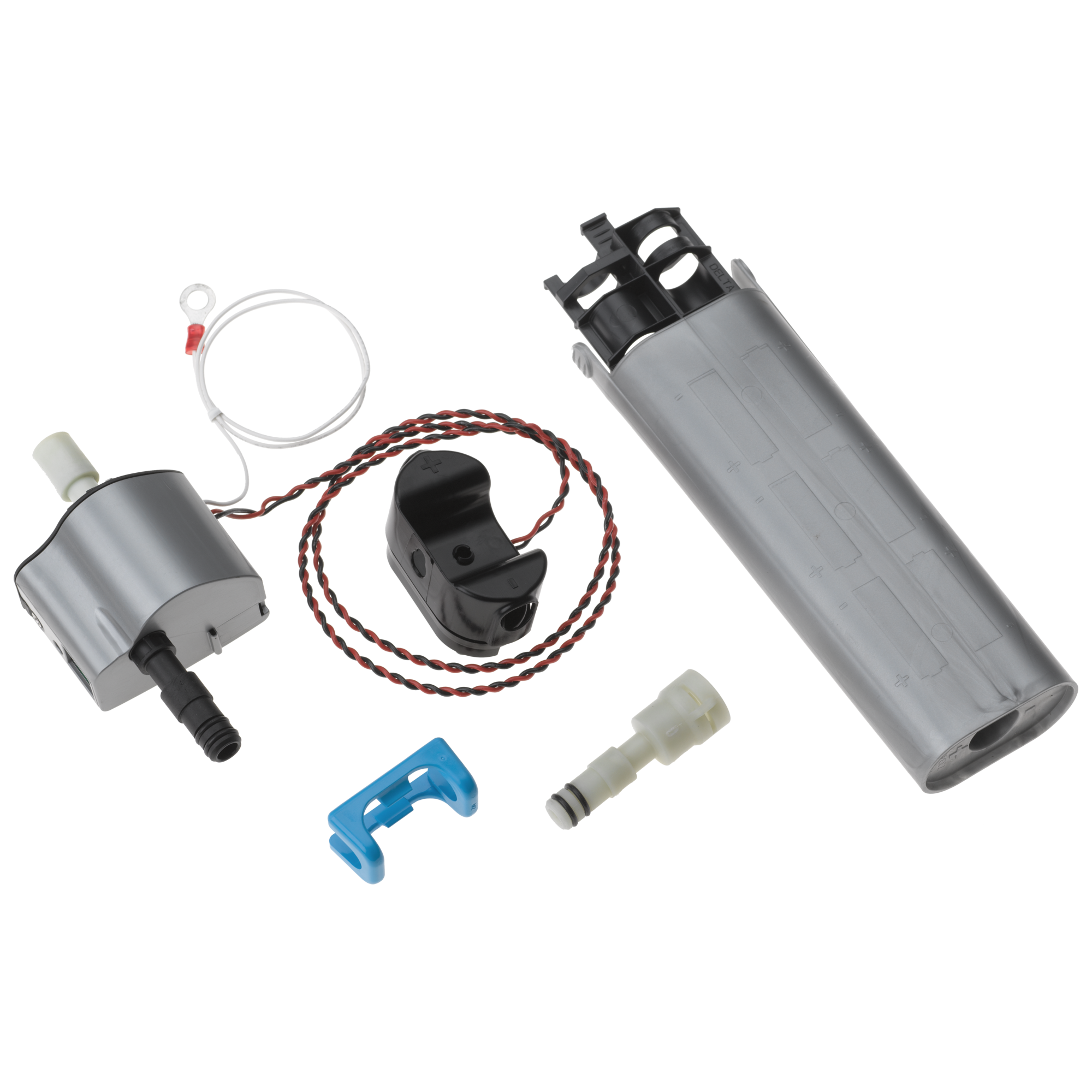
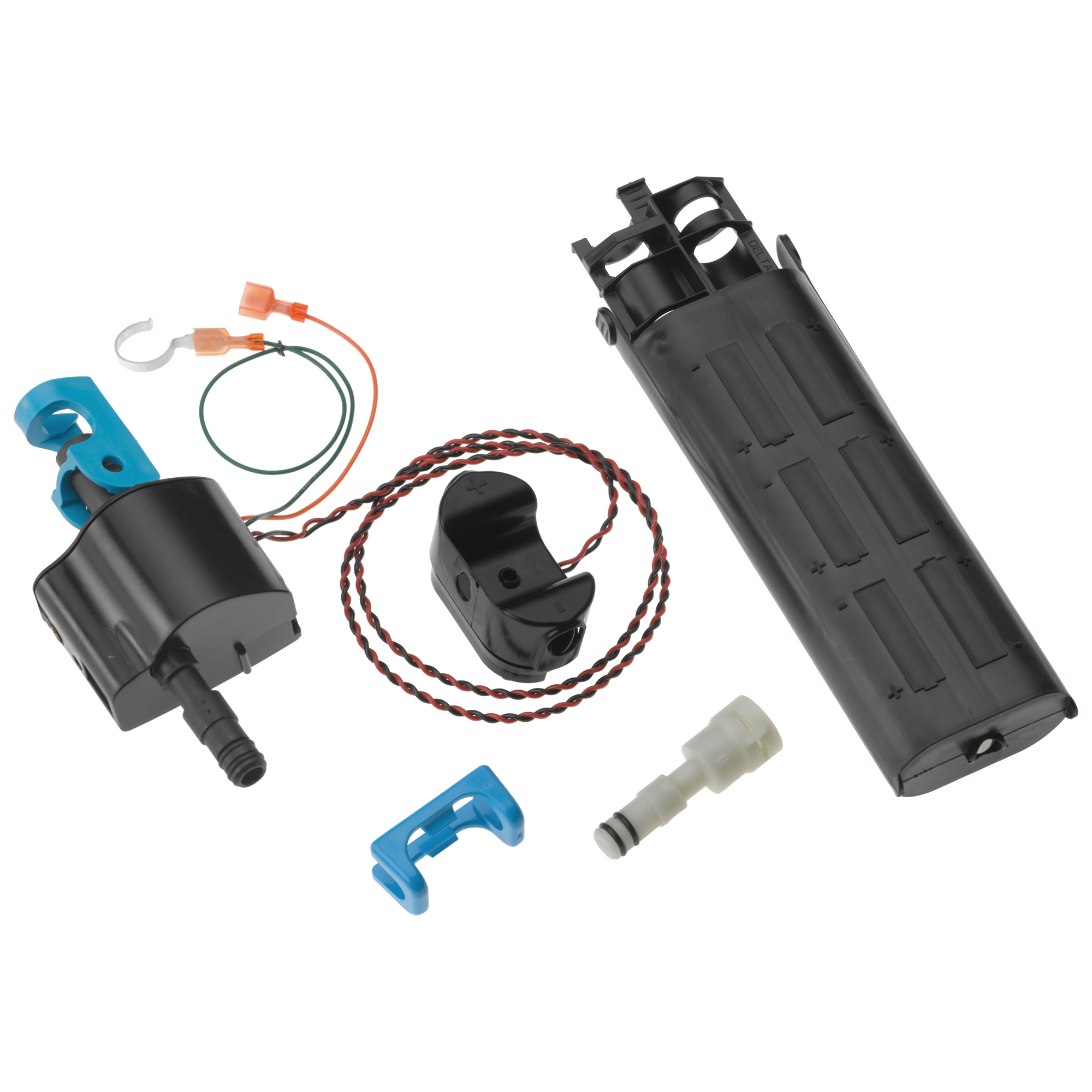
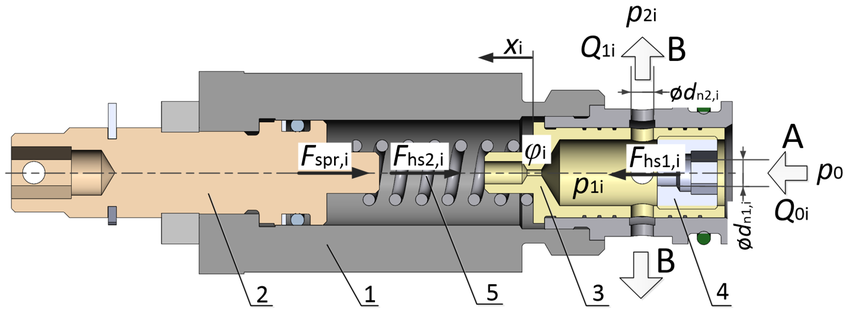
Solenoid valves operate using electromagnetic force generation to open and close hydraulic flow pathways. Activation response varies by valve design, controller configuration, operating conditions, and manufacturer specifications; performance should therefore be evaluated using documented product data for the specified system.
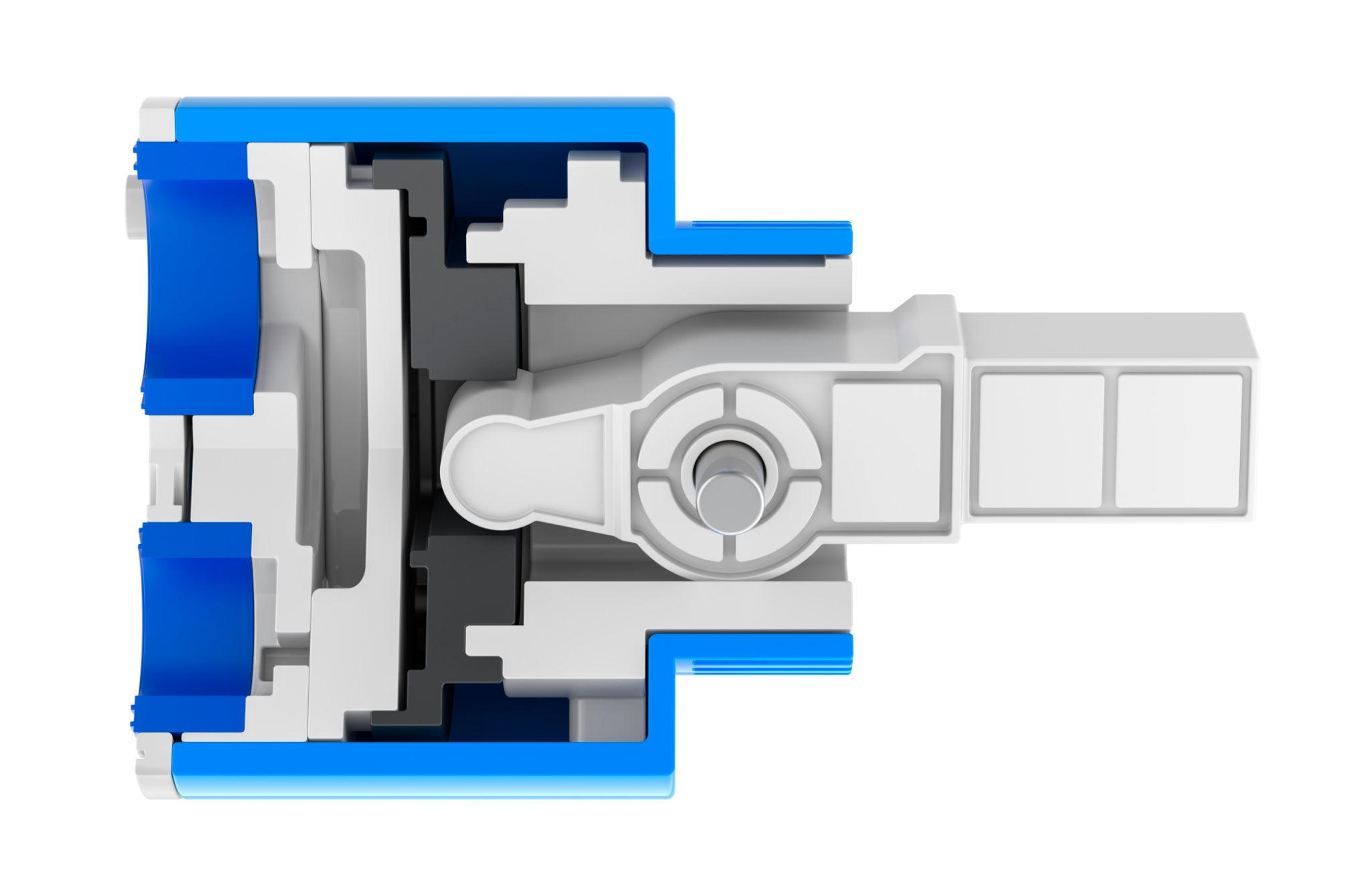
Cartridge, Mixing Valve, and Internal Flow Channel Engineering
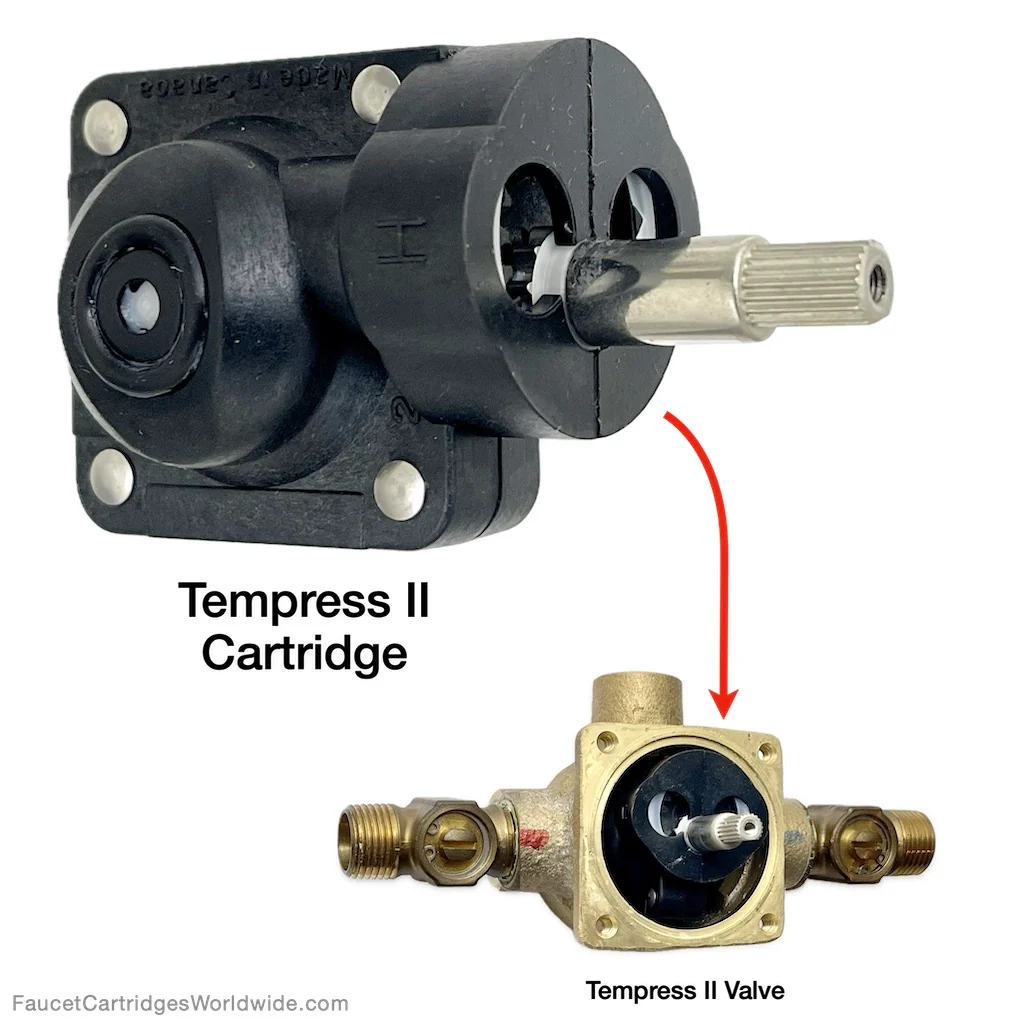
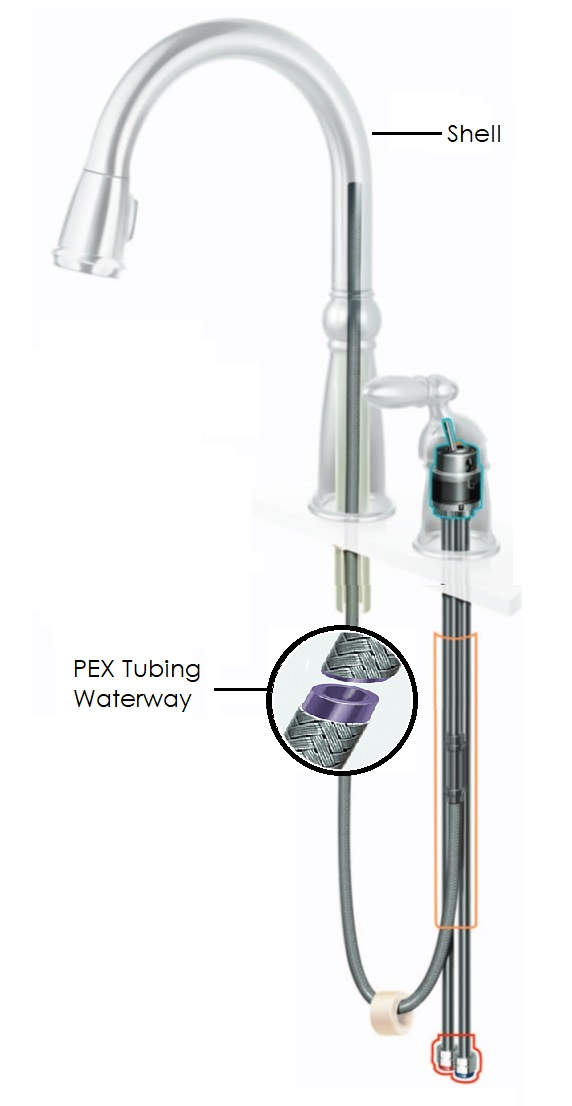
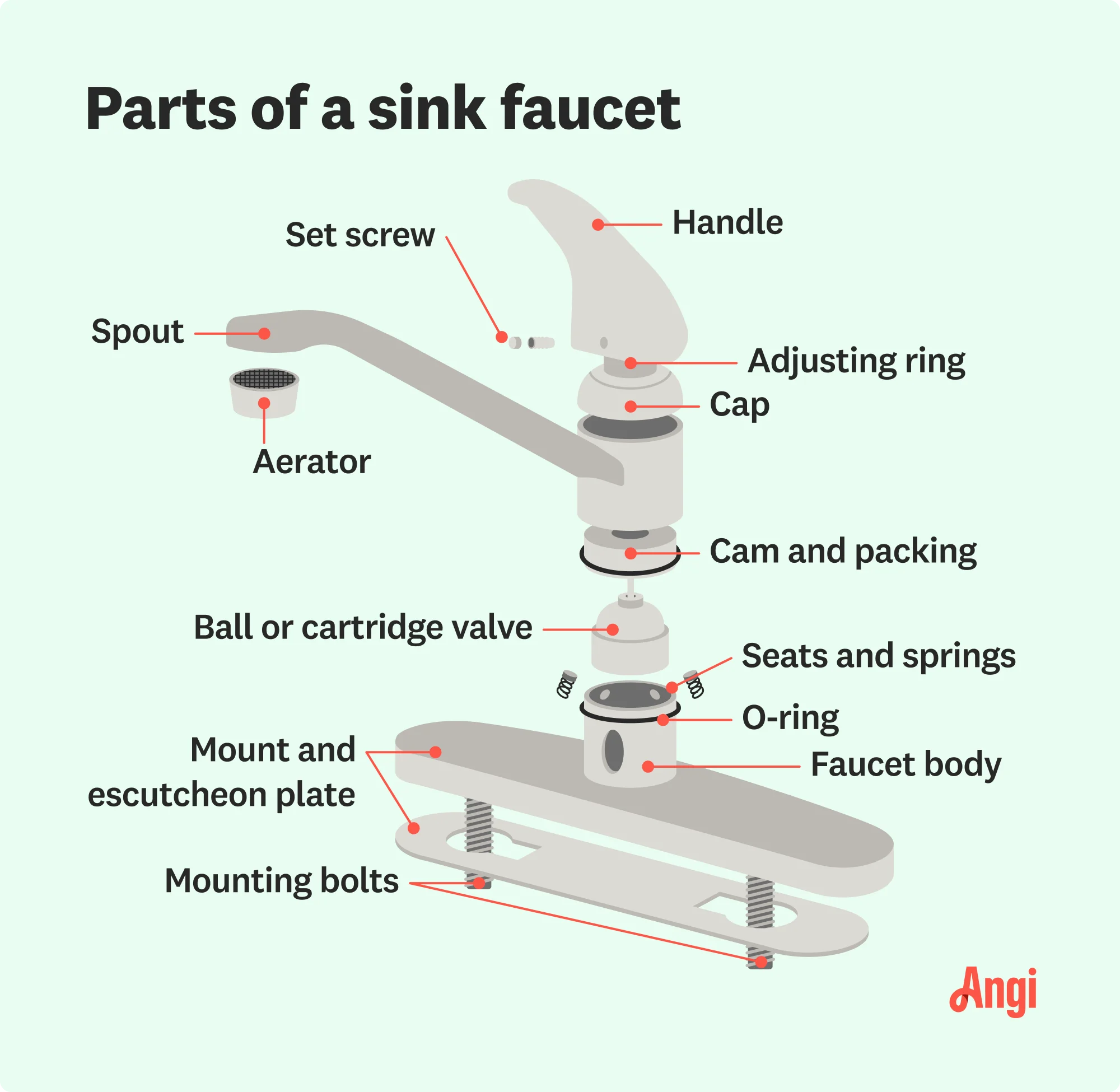
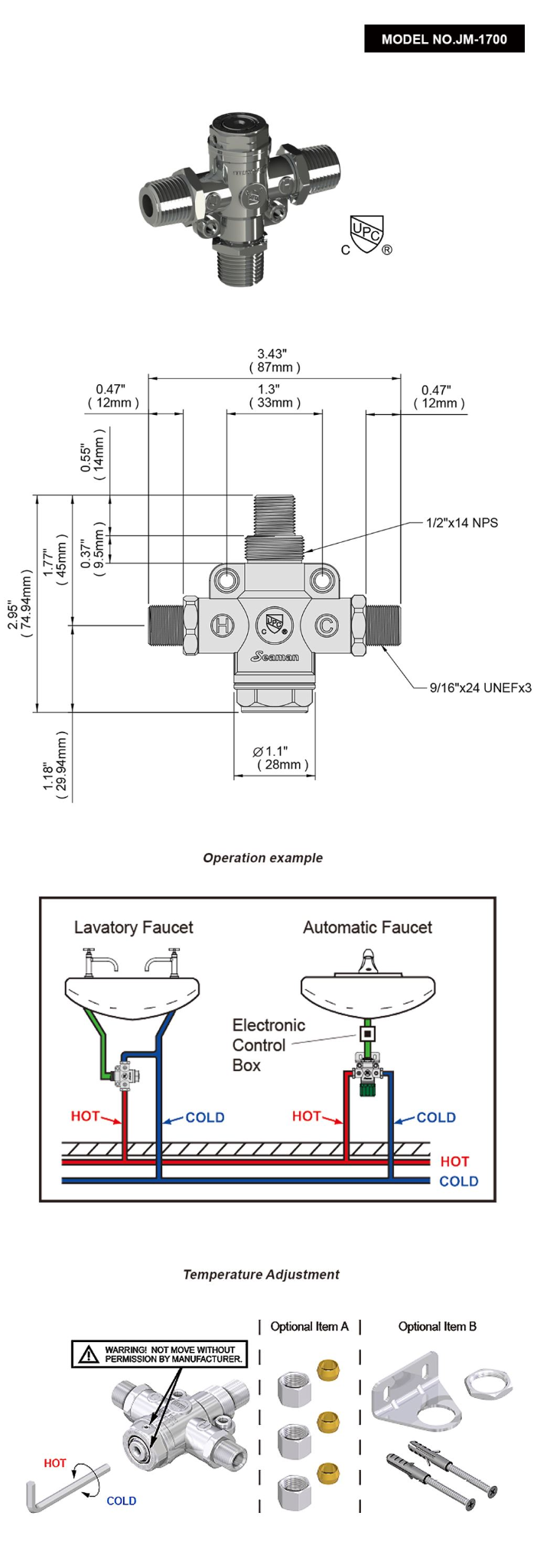
Internal channel geometry can be designed to balance flow stability, turbulence management, and pressure-loss considerations. Hydraulic performance and mixing-valve temperature regulation depend on the specified internal geometry, operating conditions, component configuration, and manufacturer design criteria.
Reliability Engineering and Lifecycle Modeling
Weibull statistical modeling can be used to estimate lifecycle reliability and failure probability when appropriate component or system data are available. Component lifecycle varies by product design, materials, operating conditions, duty cycle, maintenance practices, and manufacturer validation methods; project evaluations should therefore rely on documented test data for the specified components.


Power Supply Engineering: Battery and Hardwired Aviation Faucets
Battery service life varies according to battery chemistry, activation frequency, sensor and controller power demand, operating conditions, and manufacturer specifications. For aviation facilities, battery replacement planning can be informed by documented product requirements and actual fixture usage patterns.
Airport Retrofit and Modernization Engineering
Airport faucet retrofit engineering should evaluate compatibility with existing plumbing infrastructure, mounting geometry, and available electrical supply systems. Depending on existing conditions and the specified fixture, integration may involve mounting adapters, control components, or modifications to the electrical power arrangement.
Building Automation System Integration Engineering
Some digitally enabled commercial faucet systems can interface with building management or monitoring platforms to support functions such as usage tracking, maintenance diagnostics, and water-consumption analysis. Where supported by the specified control architecture, building automation integration may use protocols such as BACnet, Modbus, or manufacturer-specific wireless communication systems. Compatibility should be confirmed through the product controls documentation and project integration requirements.
Aviation Faucet Engineering Case Studies: US Manufacturers
FontanaShowers Aviation Systems Engineering
Engineering considerations associated with FontanaShowers commercial faucet systems include sensor operation, solenoid-based flow control, and brass housing construction, with performance dependent on the specified product and installation requirements.
Kohler Aviation Infrastructure Systems
Engineering considerations associated with Kohler commercial faucet systems may include integrated temperature-control components and hydraulic pressure-regulation technologies, depending on the specified product configuration.
Delta Faucet Aviation Engineering
Engineering considerations associated with Delta commercial faucet systems may include ceramic valve technologies and hydraulic flow-control components, depending on the specified product configuration.
Moen Aviation Engineering Systems
Engineering considerations associated with Moen commercial faucet systems include electronic activation controls and ceramic-disc valve technologies used for water-flow regulation.
American Standard Aviation Engineering
Engineering specialization includes pressure balancing valve engineering and hydraulic flow stabilization technologies.
Sloan Aviation Faucet Systems
Engineering areas associated with Sloan commercial faucet systems include infrared sensor technology and solenoid-based water-flow control for commercial plumbing applications.
BathSelect Aviation Engineering Systems
Engineering specialization includes aviation faucet infrastructure integration and sensor-based hydraulic optimization.
JunoShowers Commercial Engineering
Engineering focus includes structural sensor faucet engineering and aviation infrastructure compatibility optimization.
Failure Modes and Engineering Diagnostics
Potential aviation faucet failure modes can include sensor degradation, solenoid wear, seal deterioration, electrical faults, and mechanical component fatigue. Failure mode analysis can support maintenance planning by identifying likely degradation mechanisms and helping facility teams prioritize inspection, servicing, and component replacement.
Environmental and Operational Performance Engineering
Aviation faucet systems may be exposed to humidity, temperature variation, mechanical disturbance, and high usage frequency depending on the installation environment. Environmental suitability should be evaluated using the specified product’s material properties, electrical enclosure ratings, operating limits, and manufacturer documentation.
Final Engineering Conclusion: Aviation Faucets as Multidisciplinary Infrastructure Control Devices
Aviation faucet systems represent complex multidisciplinary engineering systems integrating fluid mechanics, electrical engineering, materials science, reliability engineering, control systems engineering, and infrastructure integration. Their performance directly influences water efficiency, infrastructure reliability, maintenance requirements, and operational stability.
These systems should be evaluated as integrated components of aviation plumbing infrastructure rather than solely as standalone fixtures, with consideration given to hydraulic performance, controls, maintenance requirements, and the operating conditions of the facility.
Authoritative Engineering and Scientific Sources
These sources provide supporting reference material for aviation faucet engineering topics including hydraulic systems, building infrastructure, water efficiency, certification, commercial faucet technologies, and manufacturer technical documentation.
Aviation Faucet Engineering FAQs
What is an aviation faucet?
An aviation faucet is a commercial plumbing fixture used in airport and aviation facilities where high traffic, hydraulic performance, durability, sensor operation, and maintenance access must be considered as part of the restroom system.
How do touchless aviation faucets work?
Touchless aviation faucets typically use a sensor to detect a user and signal an electronic controller or solenoid valve to open and close water flow without manual handle operation.
What should engineers consider when specifying airport restroom faucets?
Key considerations include flow rate, available water pressure, sensor behavior, electrical or battery power, basin geometry, accessibility requirements, service access, material durability, and applicable plumbing standards.
Are aviation faucets different from standard commercial faucets?
The underlying plumbing technologies may be similar, but airport installations can involve higher usage levels, extended operating hours, maintenance constraints, and infrastructure coordination that require additional engineering review.
What power options are used for sensor aviation faucets?
Depending on the specified product, sensor faucets may use replaceable batteries, hardwired low-voltage power, or hybrid power arrangements. The selected method should account for service access and expected activation frequency.
How should aviation faucet maintenance be planned?
Maintenance planning should document sensor cleaning, aerator inspection, battery or power checks, solenoid servicing, spare parts, water conditions, and accessible locations for components that may require replacement.