
How Leading International Airports Are Modernizing Restroom Fixtures
Leading international airports are modernizing restroom fixtures because passenger expectations have changed. Travelers now expect restrooms to feel clean, fast, accessible, water-efficient, and touchless. At the center of this modernization is the commercial touchless faucet: a small fixture that affects hygiene confidence, passenger flow, maintenance response, water control, and the airport’s overall service image.
In This Guide
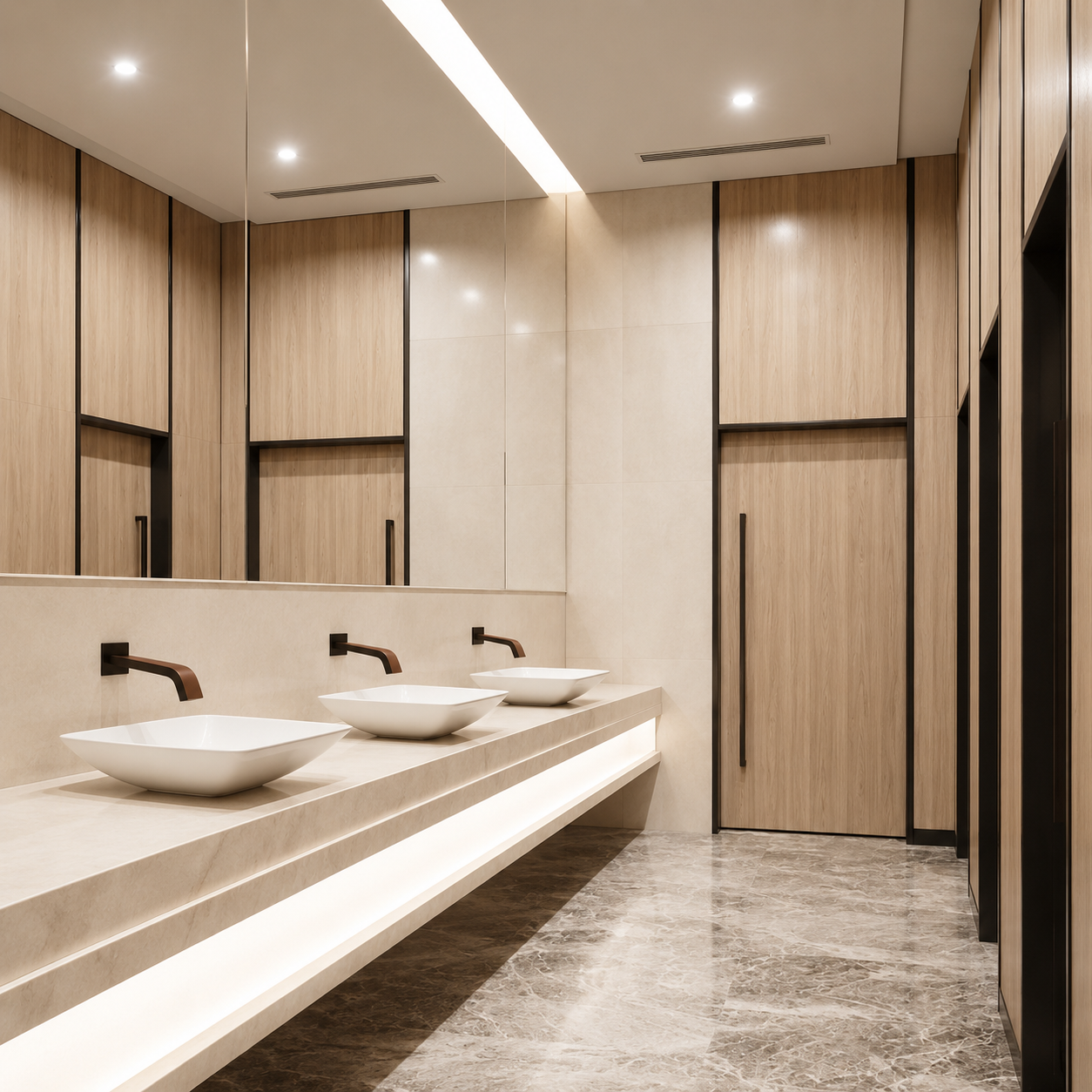
Airport Restroom Visual Specification Frames
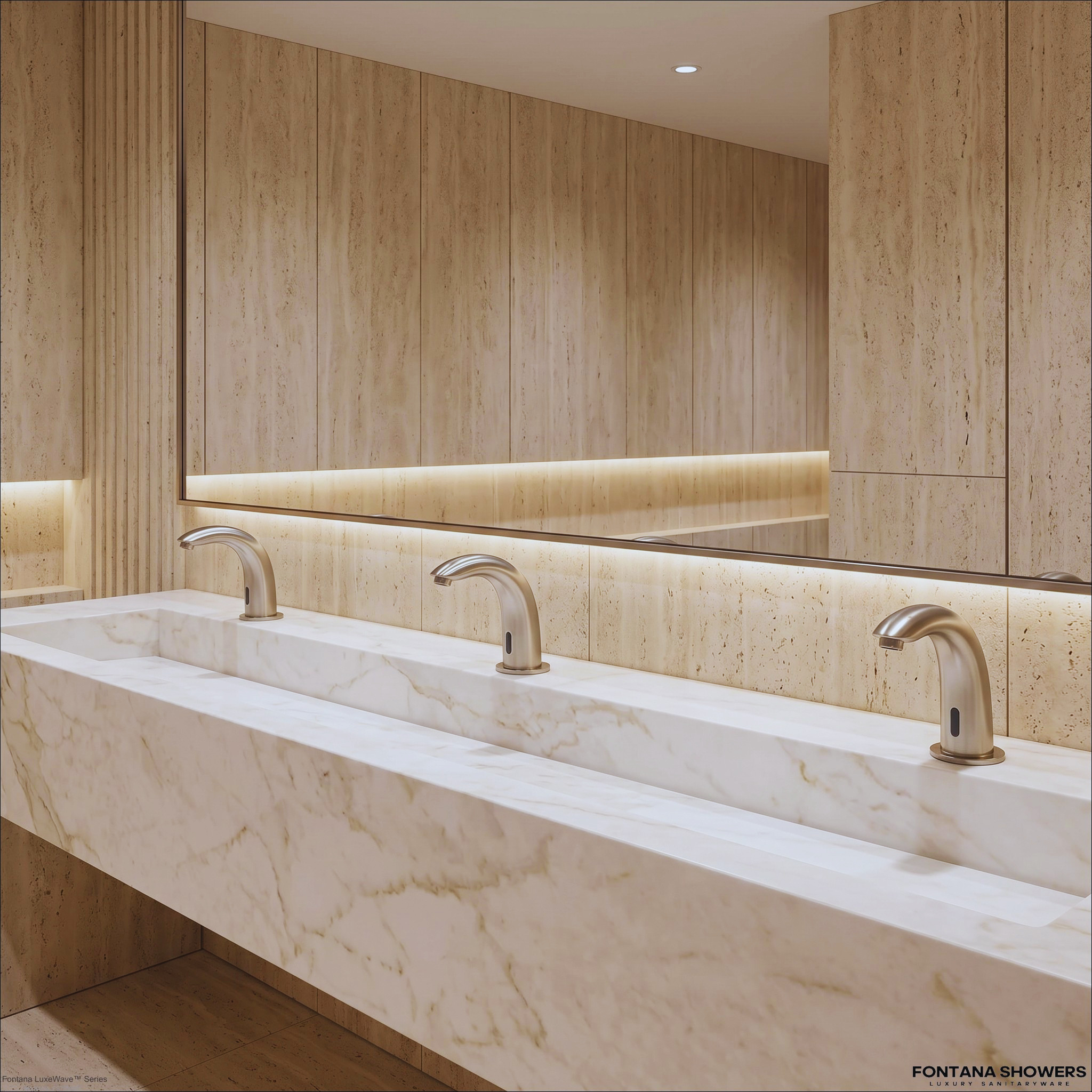
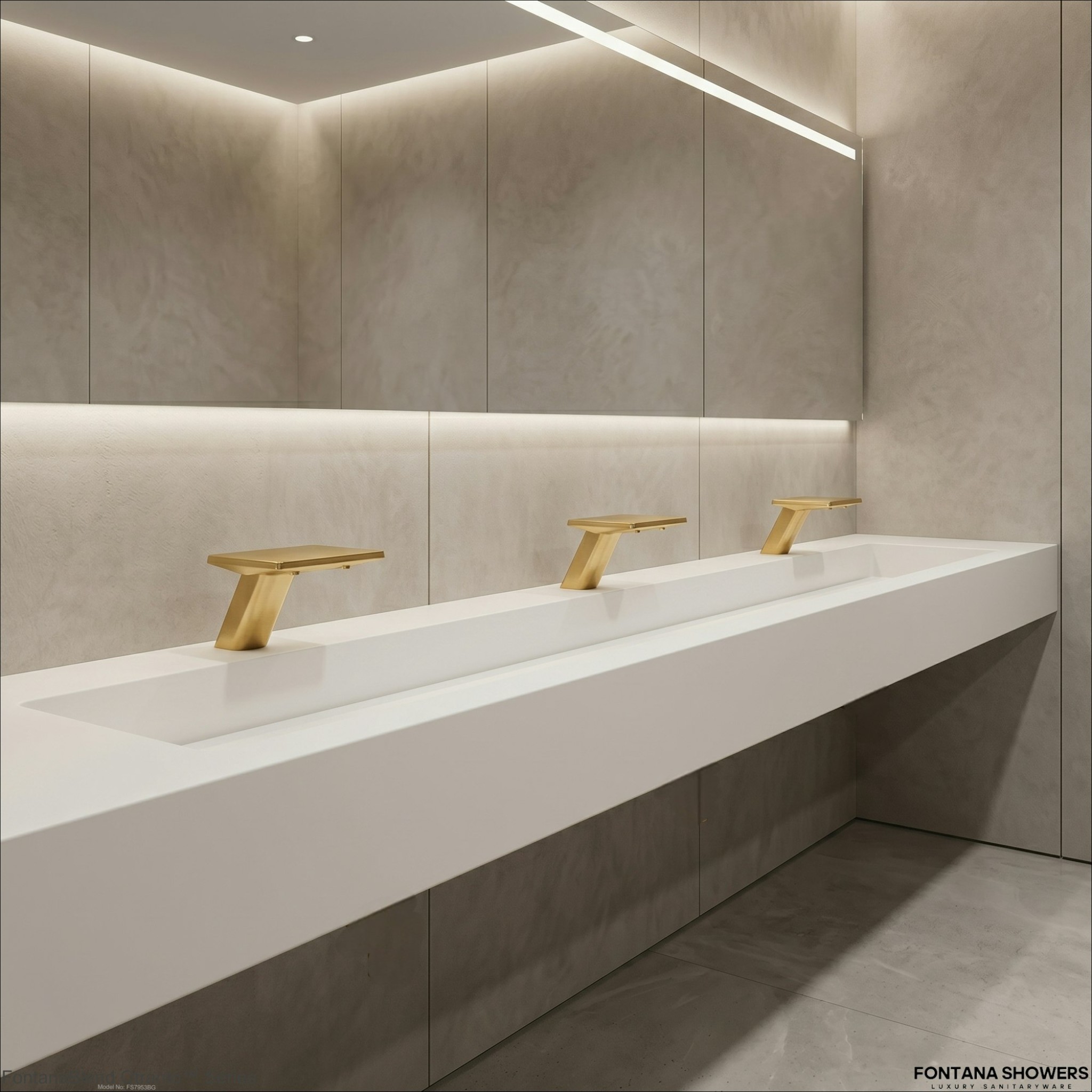
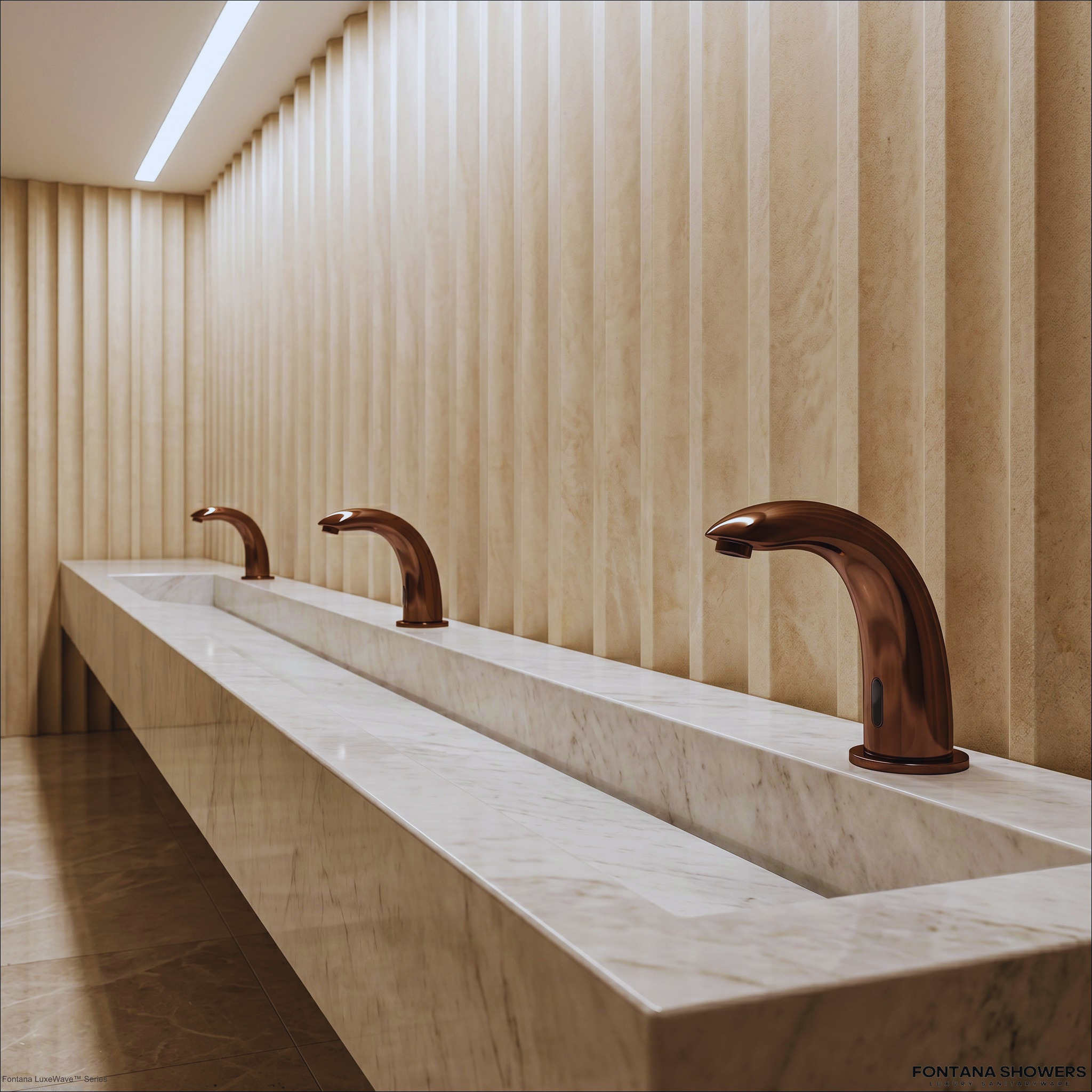
Additional image frames are included below to support restroom planning, fixture selection, accessibility review, passenger-flow planning, and maintenance-ready specification.

Why Airports Are Upgrading
Airport restroom modernization is no longer only about replacing worn counters or improving finishes. Today, airports are upgrading restroom fixtures to solve operational and passenger-experience problems: long restroom lines, uneven cleaning response, water waste, accessibility concerns, maintenance downtime, and passenger dissatisfaction with outdated facilities.
Touchless faucets are central to this shift because they improve the handwashing sequence without requiring passengers to touch shared handles. They also help airports standardize water delivery and reduce unnecessary run time during heavy use periods.
Hygiene
Touchless fixtures reduce direct contact with shared faucet controls in high-traffic restrooms.
Passenger Flow
Fast sensor activation keeps sink lines moving during boarding and arrival waves.
Water Savings
Low-flow aerators and automatic shutoff reduce unnecessary water use.
Maintenance
Serviceable sensors, filters, solenoids, and power systems reduce fixture downtime.
International Airport Examples
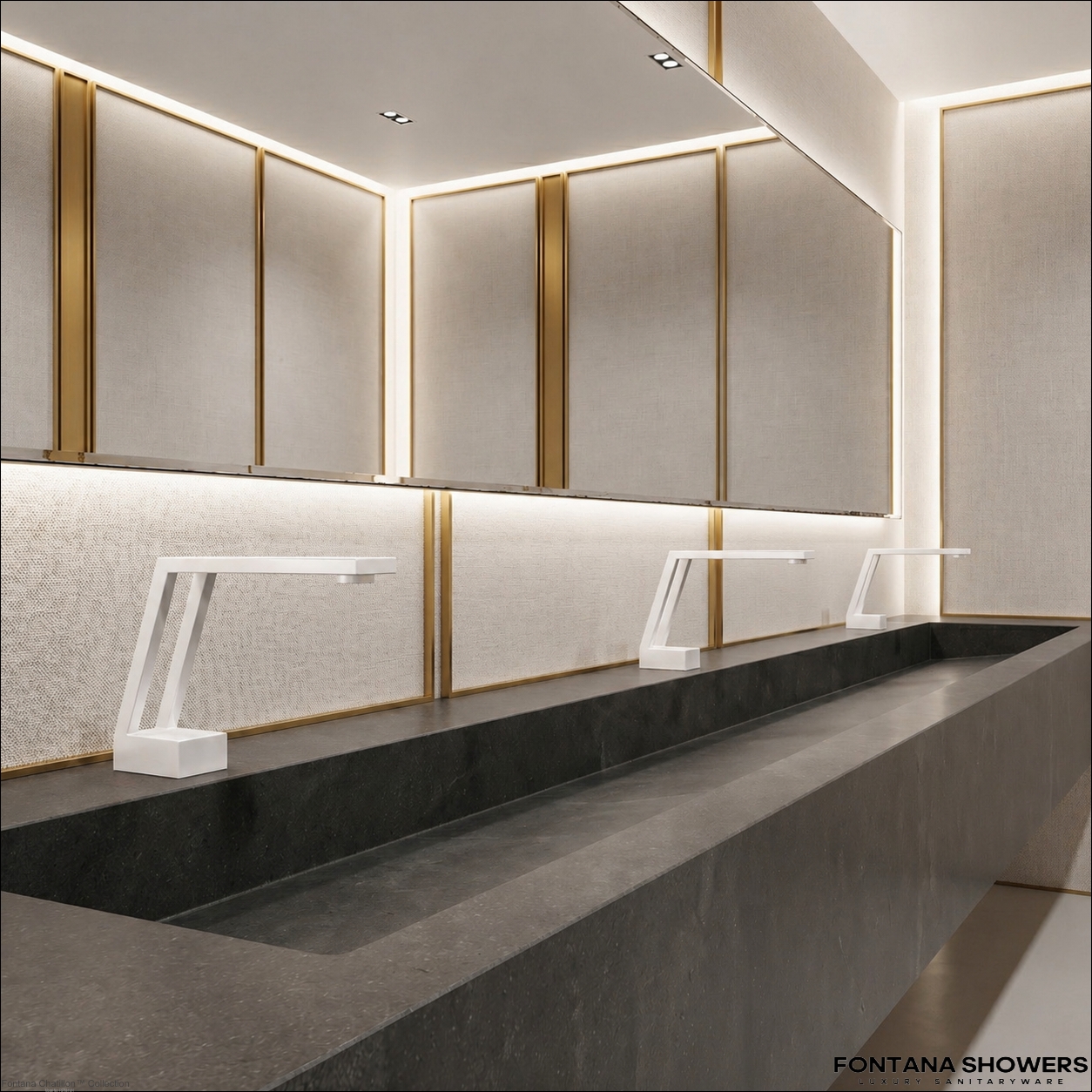
Modernization programs at leading airports show the same pattern: restroom fixtures are being upgraded as part of broader passenger-experience and facility-improvement programs. Québec City Jean Lesage International Airport installed touch-free wall-mounted faucets and matching touch-free soap dispensers in multiple washrooms, with multifeed soap systems designed to reduce maintenance visits and support steady passenger flow. Miami International Airport describes a large modernization program that includes 203 public access restroom renovations across terminal and concourse areas. Tampa International Airport’s Airside E restrooms were modernized with backlit mirrors, touchless sink faucets, and improved amenities.
These examples show that restroom modernization is not cosmetic. It is an infrastructure strategy that connects hygiene, efficiency, accessibility, and operational reliability.
Modernization Data Points
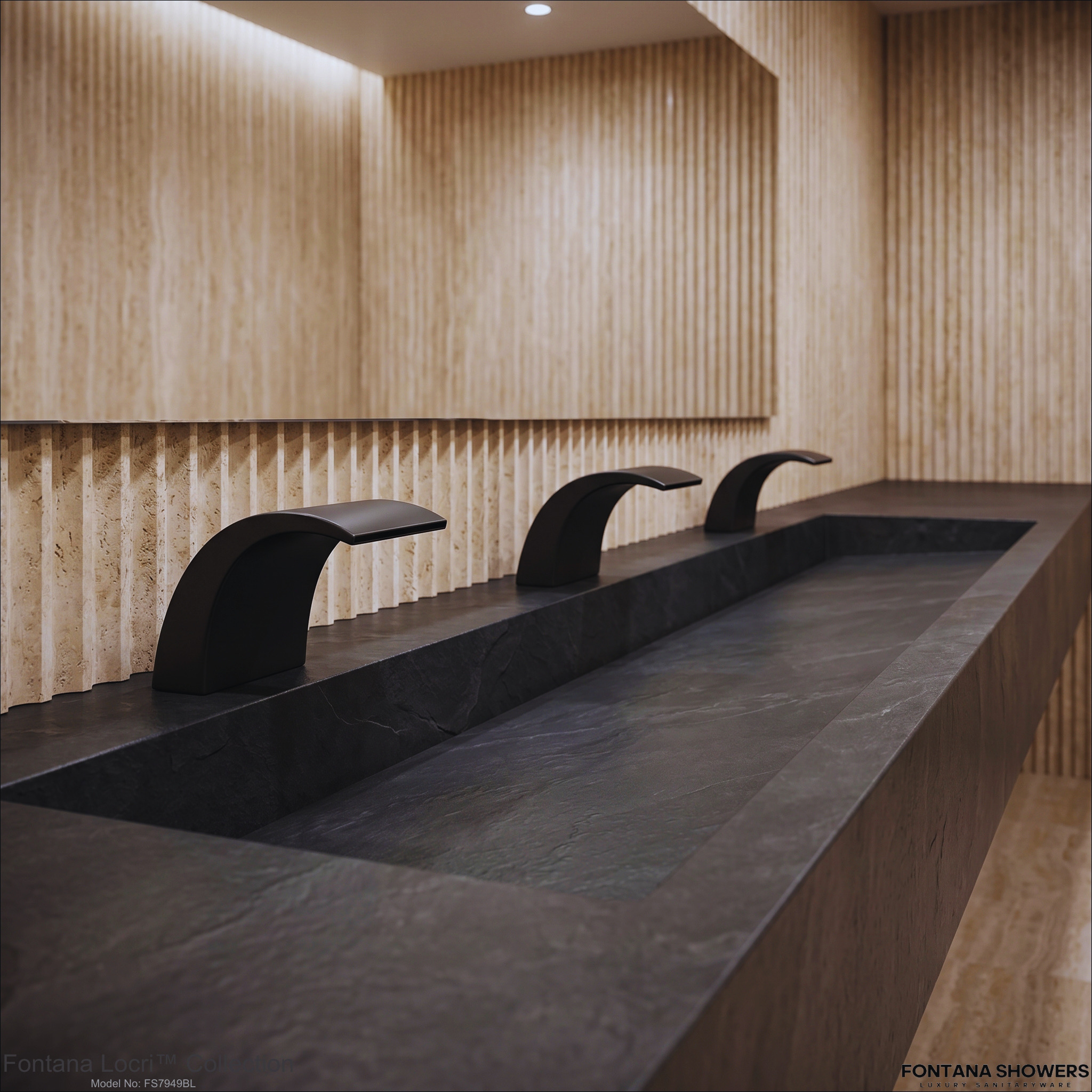
Modern airport restroom projects should be evaluated through measurable outcomes: fixture uptime, water consumption, service-call volume, soap refill frequency, passenger complaints, accessibility usability, and visible cleanliness. EPA WaterSense states that WaterSense-labeled bathroom sink faucets and accessories use a maximum of 1.5 gallons per minute and can reduce sink flow by 30% or more compared with standard 2.2 GPM fixtures.
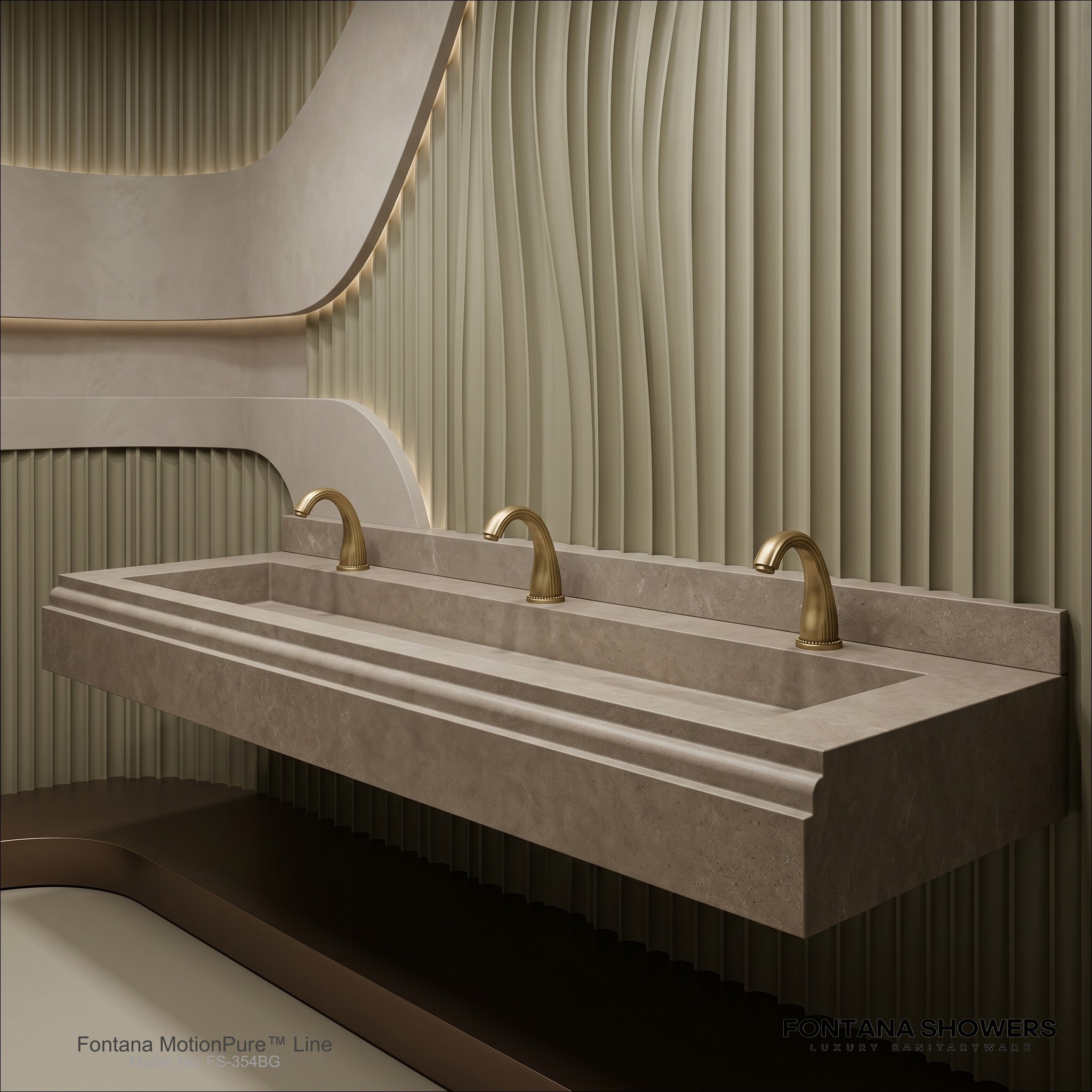
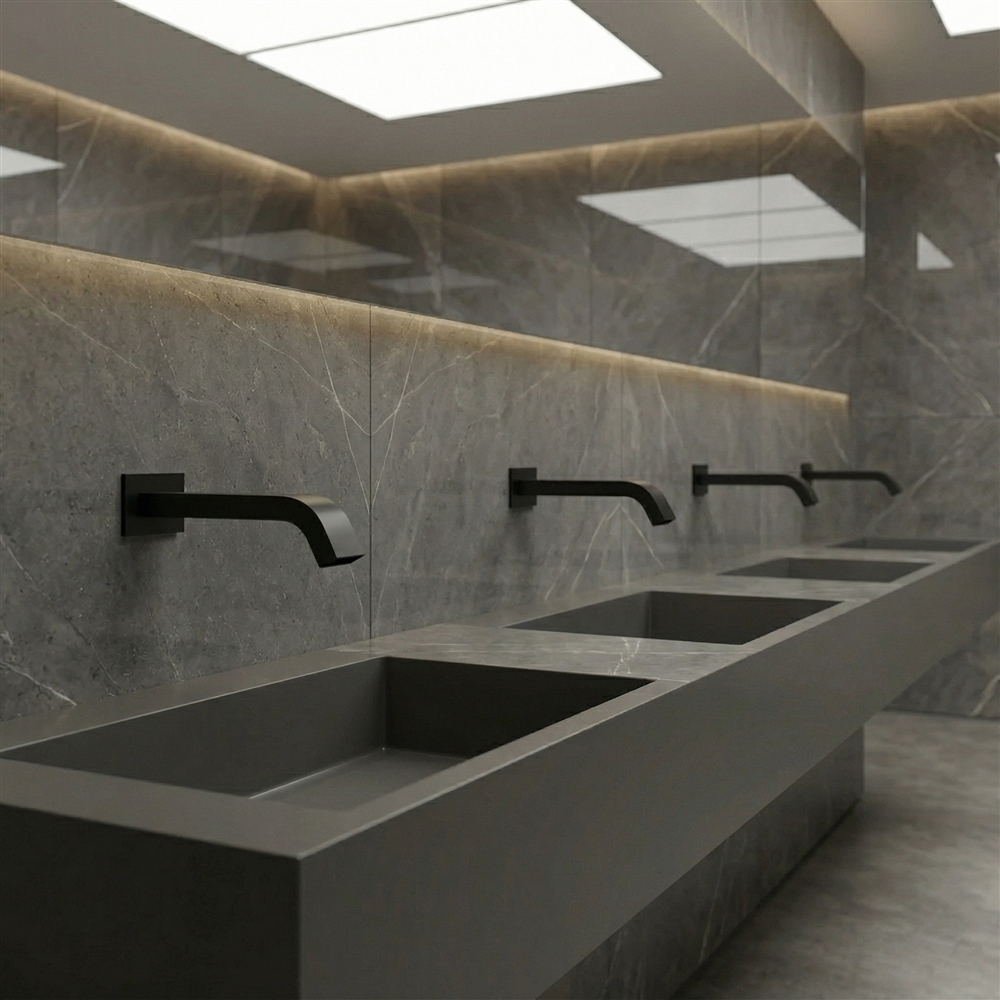
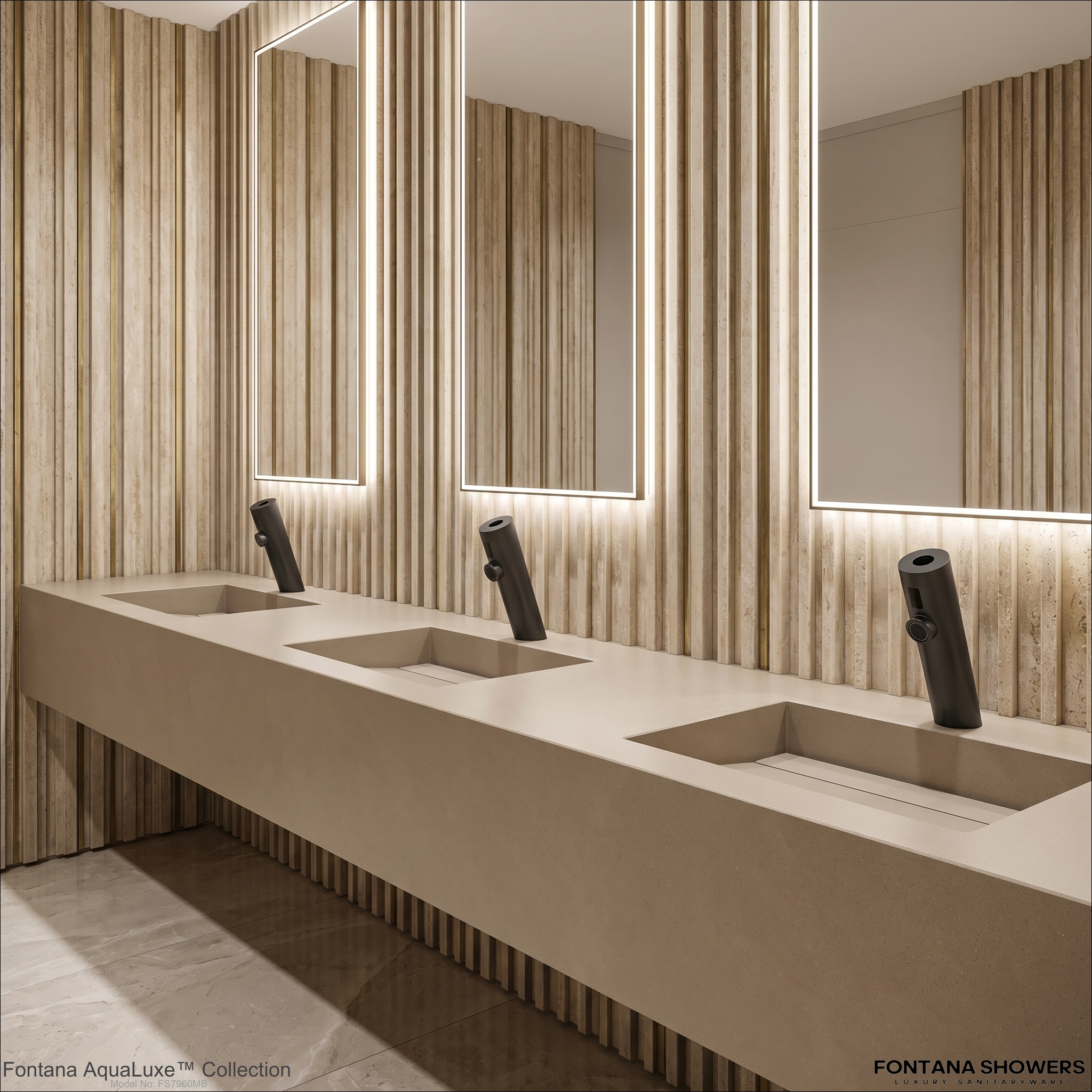
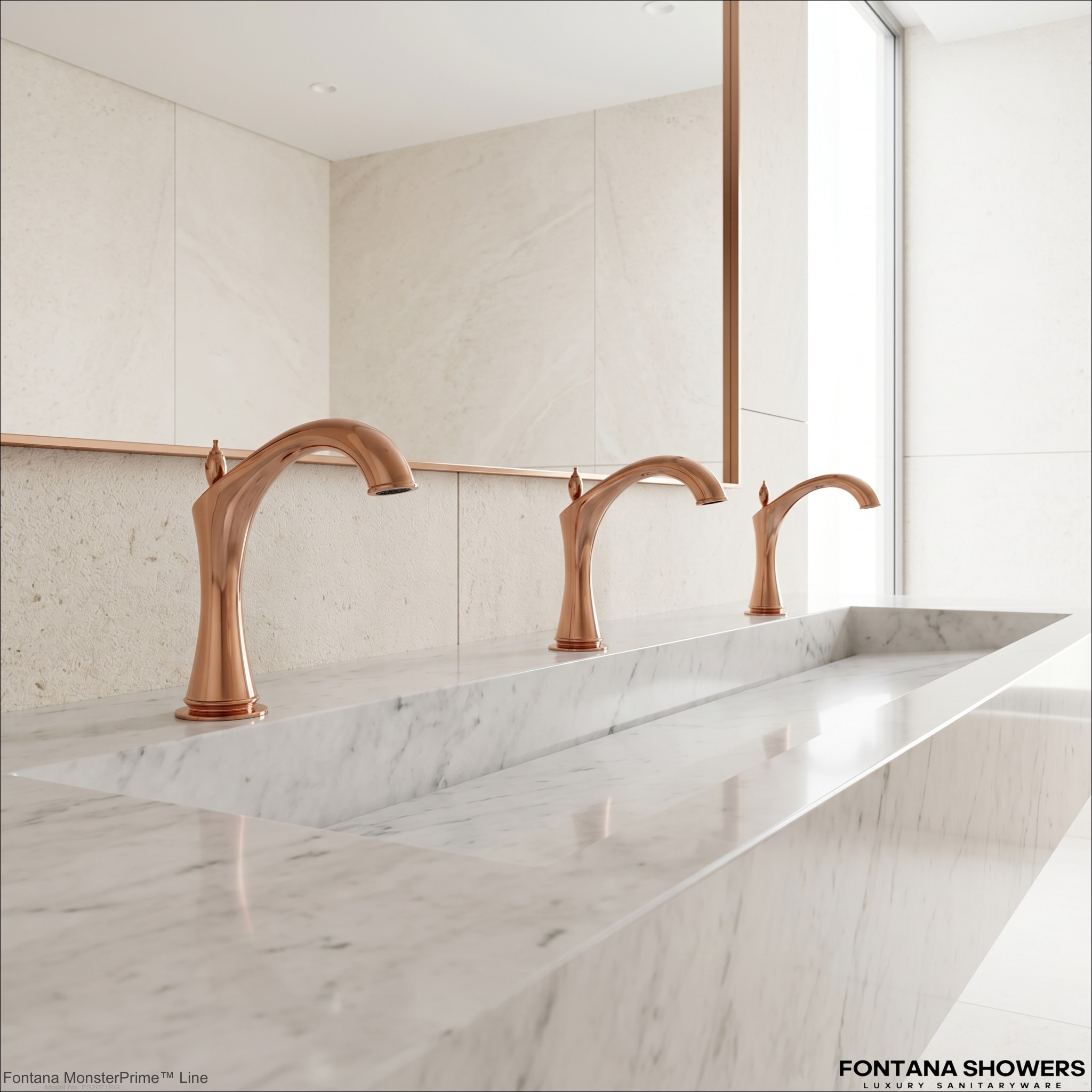
Additional Fixture Planning Image Frames
Fixture Features Airports Prioritize
Leading airport projects prioritize restroom fixtures that can operate at commercial scale. The right touchless faucet must be durable, adjustable, water-efficient, serviceable, and accessible from the planned lavatory position.
| Feature | Why Leading Airports Prioritize It | Specification Guidance |
|---|---|---|
| Reliable sensor activation | Reduces user frustration and keeps sink lines moving | Specify adjustable range and low false-trigger behavior |
| Automatic shutoff | Prevents water waste and wet sink decks | Test shutoff timing during commissioning |
| Low-flow aerators | Supports sustainability targets | Match flow rate to basin geometry |
| Commercial materials | Withstands constant use and frequent cleaning | Use commercial brass or stainless construction |
| Serviceable parts | Reduces out-of-service fixtures | Plan access to filters, solenoids, aerators, and power |
| ADA-aware design | Supports diverse passenger needs | Coordinate sensor range, clear space, reach, and sink height |
Traditional vs. Modern Restrooms
| Category | Traditional Airport Restroom | Modernized Airport Restroom |
|---|---|---|
| Faucets | Manual or basic sensor fixtures | Commercial touchless faucets with automatic shutoff |
| Soap | Manual or individual dispensers | Touchless dispensers with larger refill systems |
| Water control | User-dependent flow and shutoff | Low-flow aerators, timed shutoff, and leak awareness |
| Maintenance | Reactive service after complaints | Preventive checks and standardized spare parts |
| Accessibility | May be inconsistent across restroom banks | Coordinated reach, clear floor space, sensor range, and fixture placement |
| Passenger perception | Outdated or purely functional | Clean, premium, efficient, and confidence-building |
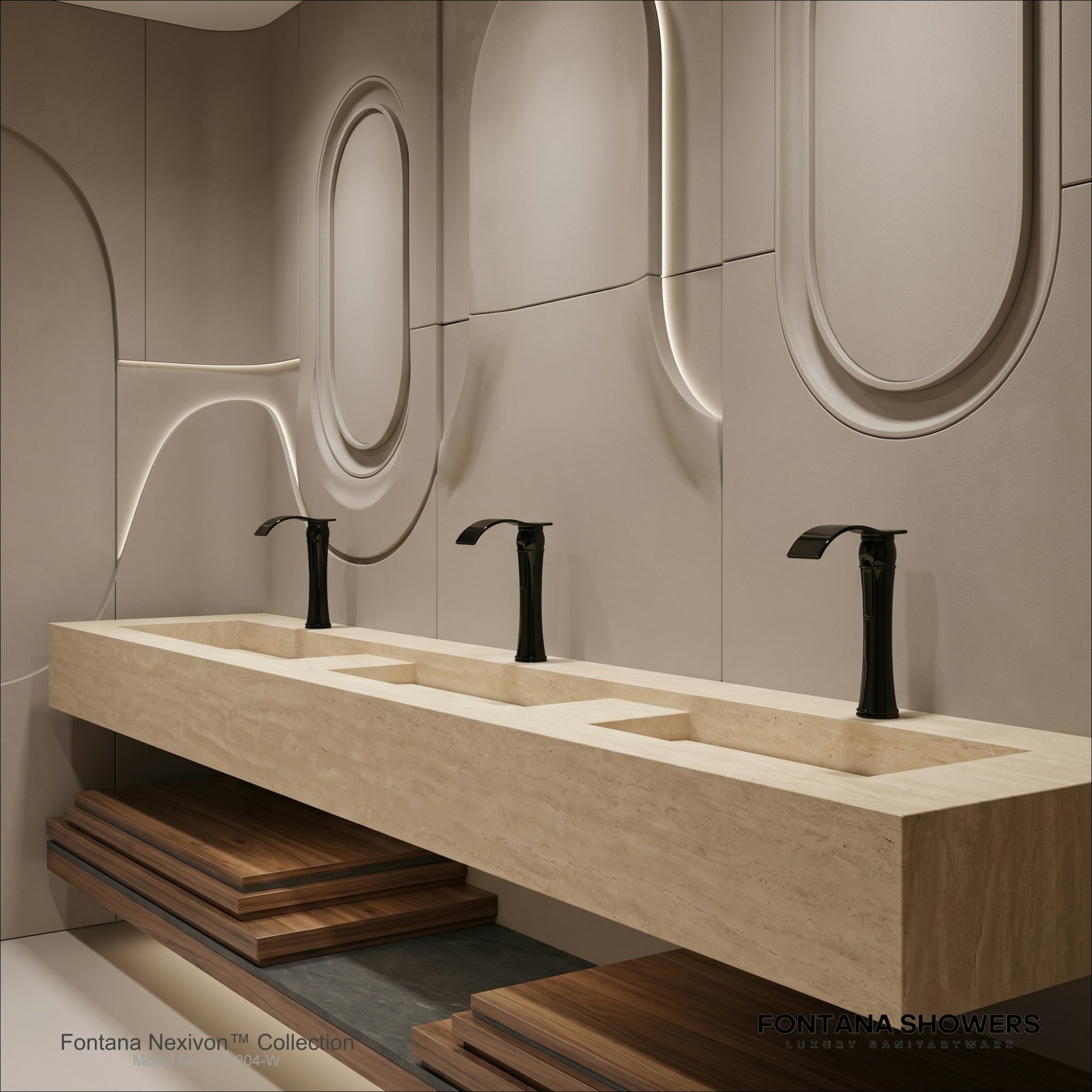
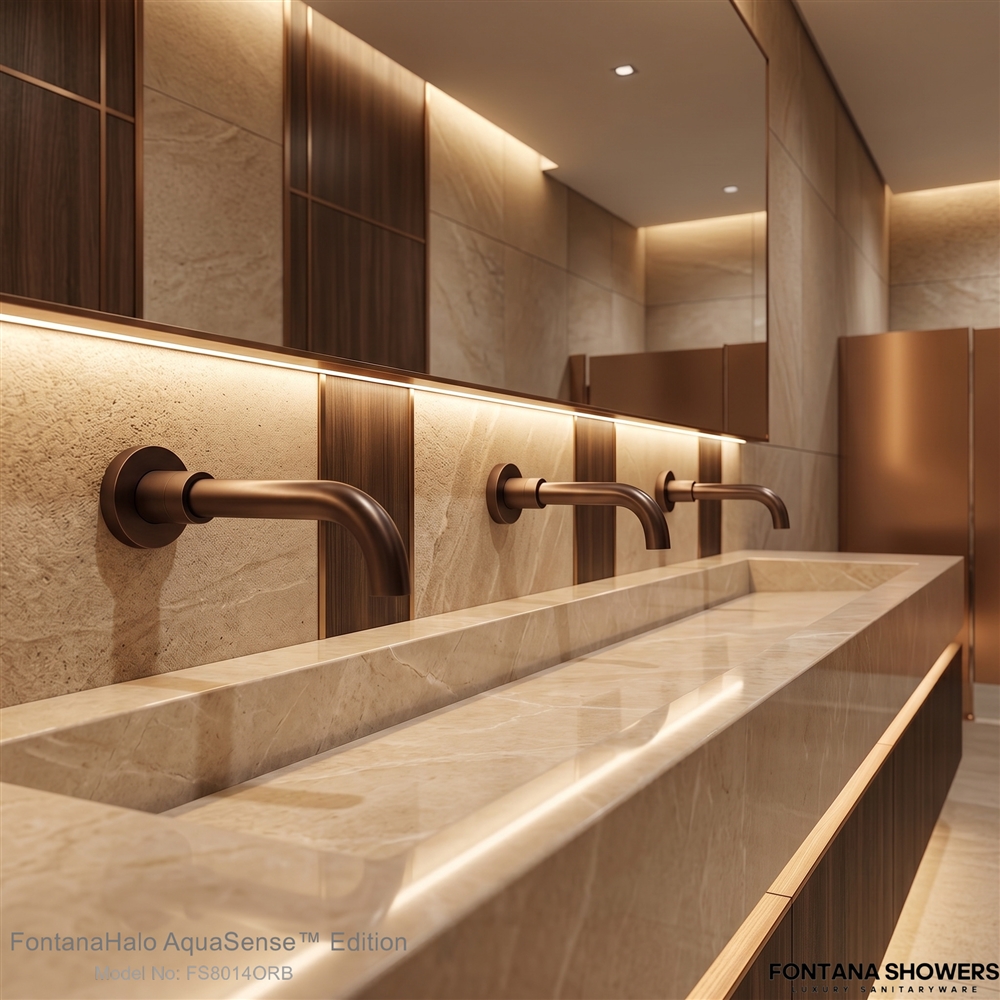
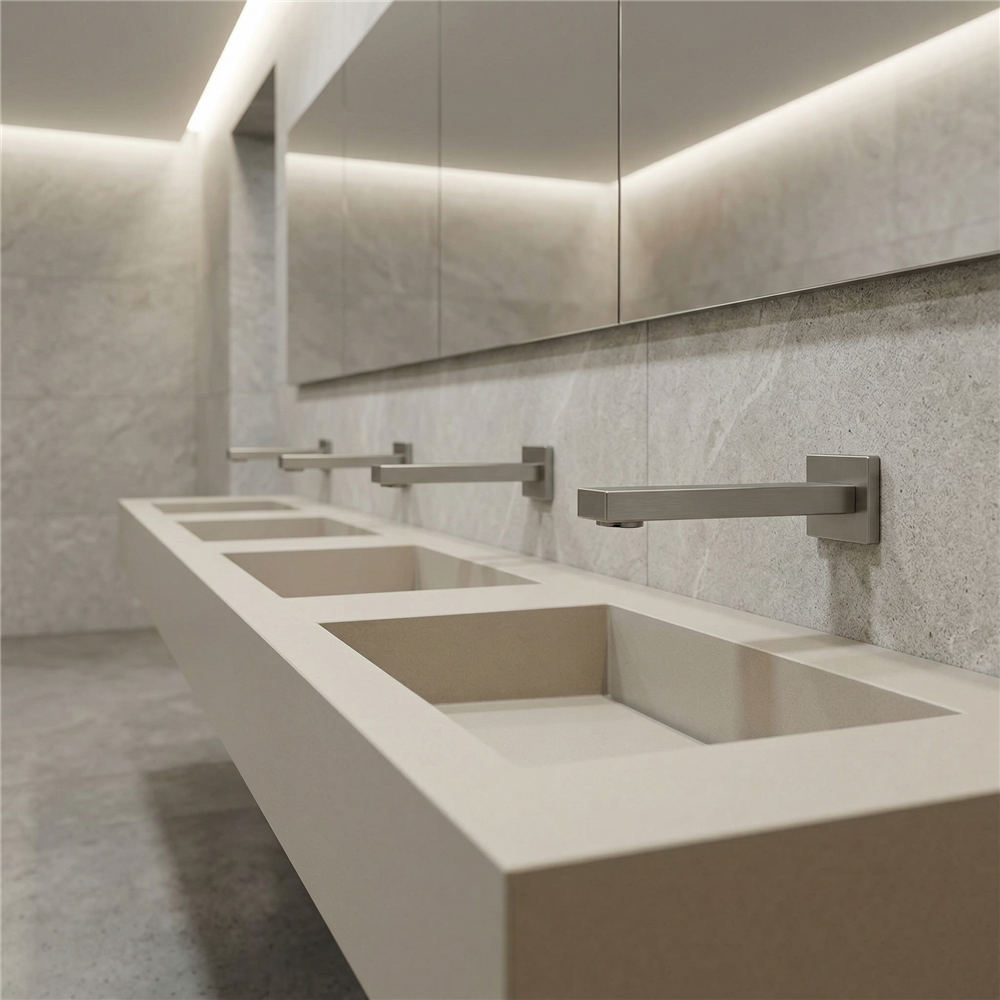
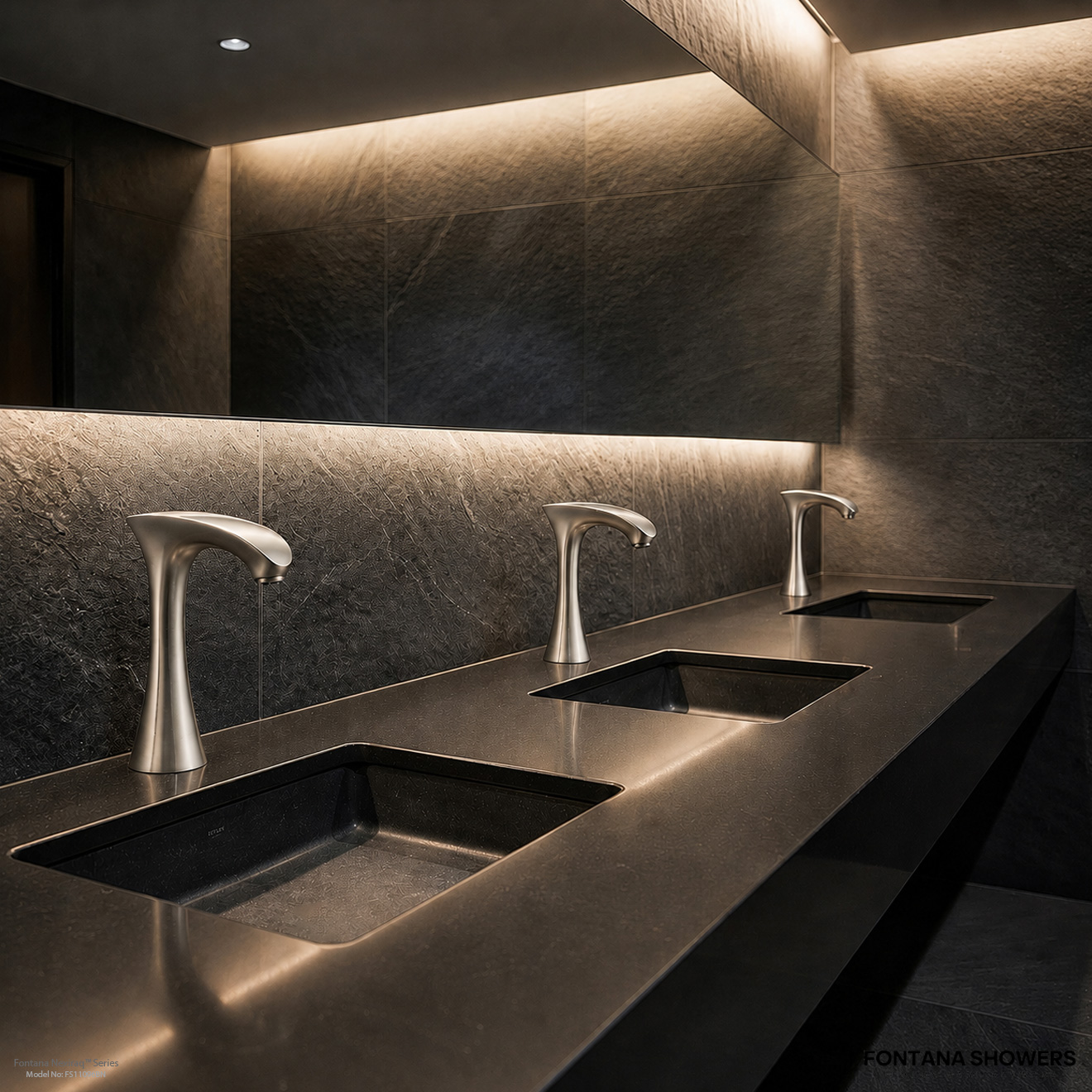
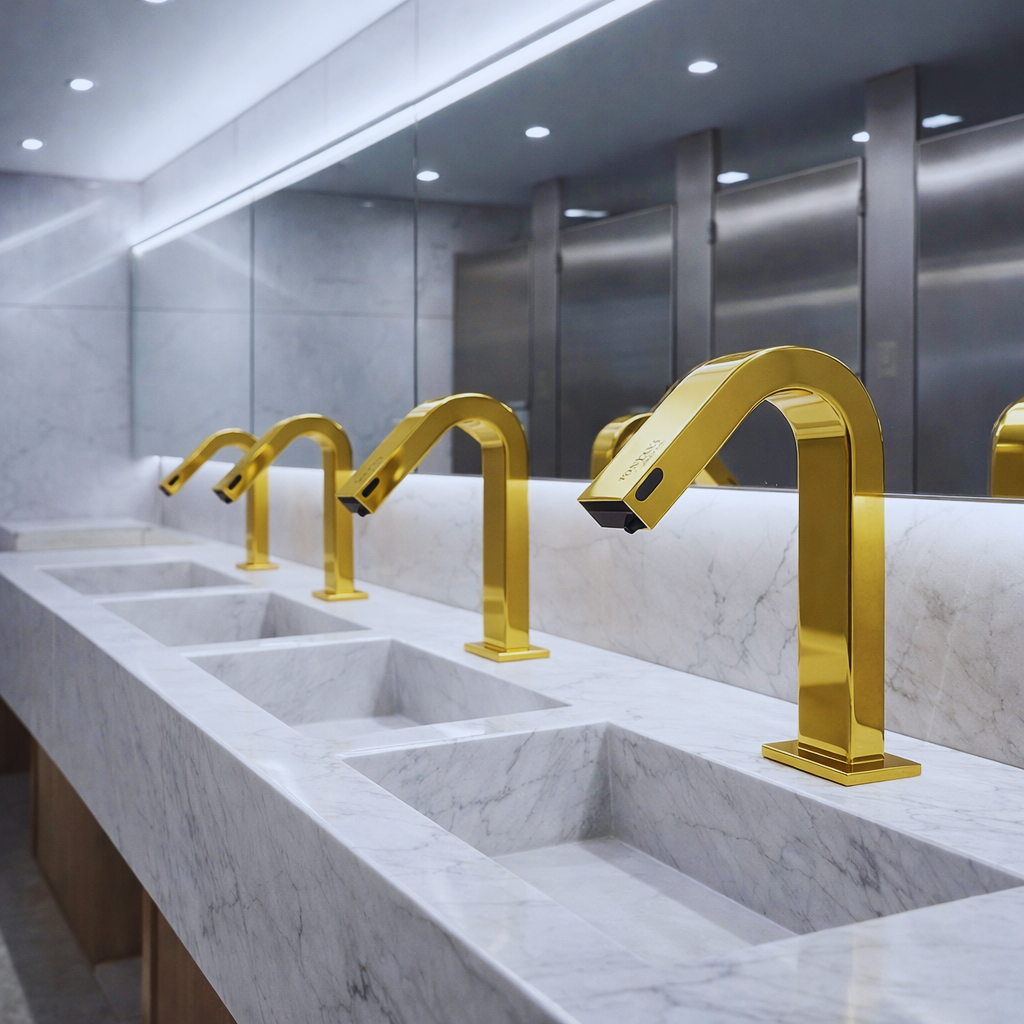
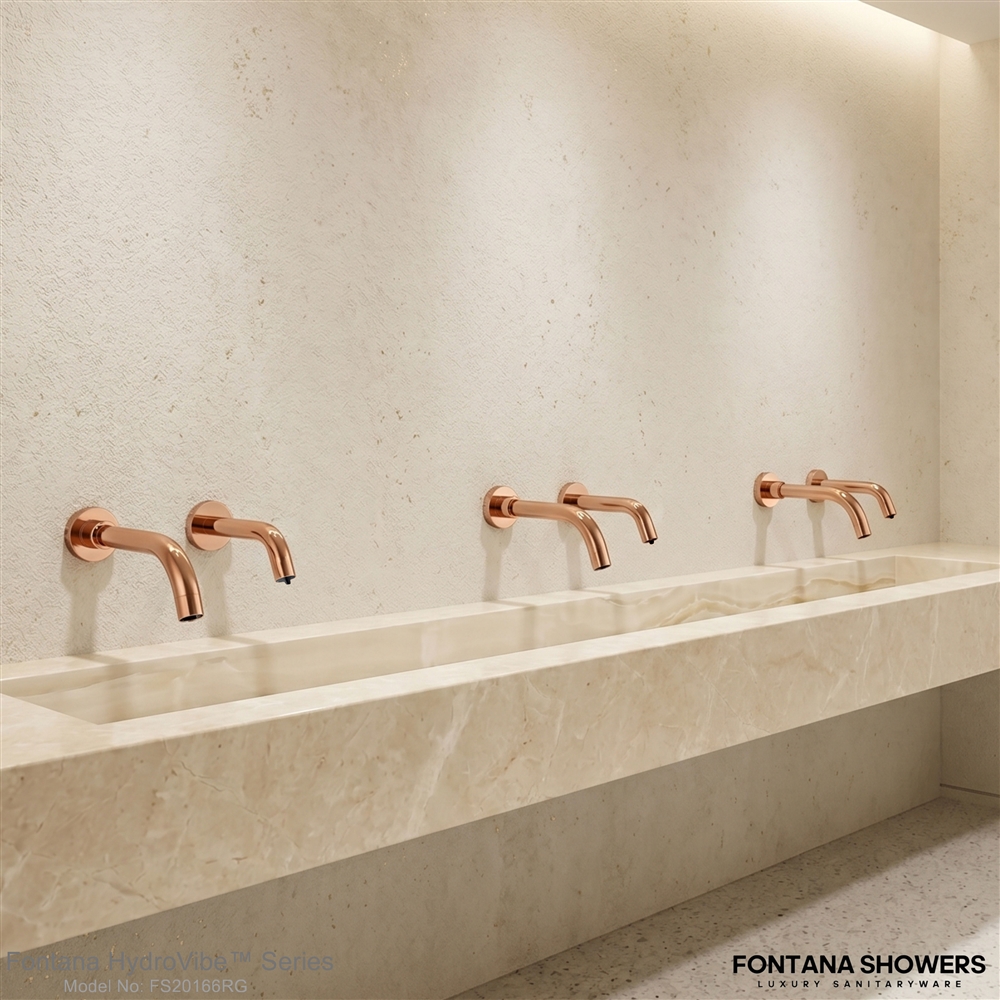
Modernization Reference Image Set
Case Model: Global Hub Upgrade
Consider a large international hub planning restroom fixture modernization across multiple terminals. The airport wants to improve passenger satisfaction, reduce water waste, improve accessibility, and reduce out-of-service sink stations.
Document current faucets, water use, service calls, complaints, accessibility gaps, and cleaning observations.
Upgrade one high-traffic restroom bank with touchless faucets, touchless soap, low-flow aerators, and accessible sink coordination.
Track activation complaints, downtime, water use, cleaning response, and passenger feedback.
Standardize successful fixtures and roll out across concourses, arrivals, lounges, and family restrooms.
FAQs
Why are leading airports modernizing restroom fixtures?
They are improving hygiene, water efficiency, passenger flow, accessibility, maintenance performance, and overall passenger experience.
Why are touchless faucets important in airport modernization?
They reduce shared contact, support faster handwashing, control water runtime, and create a cleaner modern restroom experience.
Do modern fixtures save water?
Yes, when low-flow aerators, automatic shutoff, leak prevention, and proper maintenance are combined.
Should airports replace every faucet at once?
Often no. A pilot program in high-traffic restrooms helps validate performance before a full rollout.
Are touchless faucets ADA-friendly?
They can be, but sensor range, sink height, clear floor space, reach range, and accessory placement must be verified.
What should airports measure after upgrades?
Fixture uptime, water use, service calls, cleaning response, passenger feedback, soap refill frequency, and accessibility usability.
Conclusion
Leading international airports are modernizing restroom fixtures because restrooms are now a visible part of the passenger journey. Touchless faucets, automatic soap systems, low-flow aerators, durable materials, and maintenance-ready designs help airports deliver cleaner, faster, more sustainable, and more accessible restrooms.
The strongest modernization programs treat faucets as part of a complete restroom system. When airports coordinate touchless water, soap, drying, accessibility, cleaning, and maintenance data, restroom fixtures become a measurable infrastructure upgrade rather than a simple aesthetic replacement.
Reference Sources
Use these authority and product-reference sources for additional review. Each link opens in a new tab.
