
The Complete Buyer’s Guide to Commercial Airport Faucets
Buying commercial airport faucets is not the same as buying fixtures for a hotel, office, or residential restroom. Airports need touchless faucets that can survive high passenger traffic, reduce shared contact, conserve water, support ADA-accessible use, simplify maintenance, and look professional in public-facing terminal environments. This guide explains what airport facility teams, architects, FBO operators, and procurement managers should evaluate before selecting commercial restroom faucets.
In This Guide
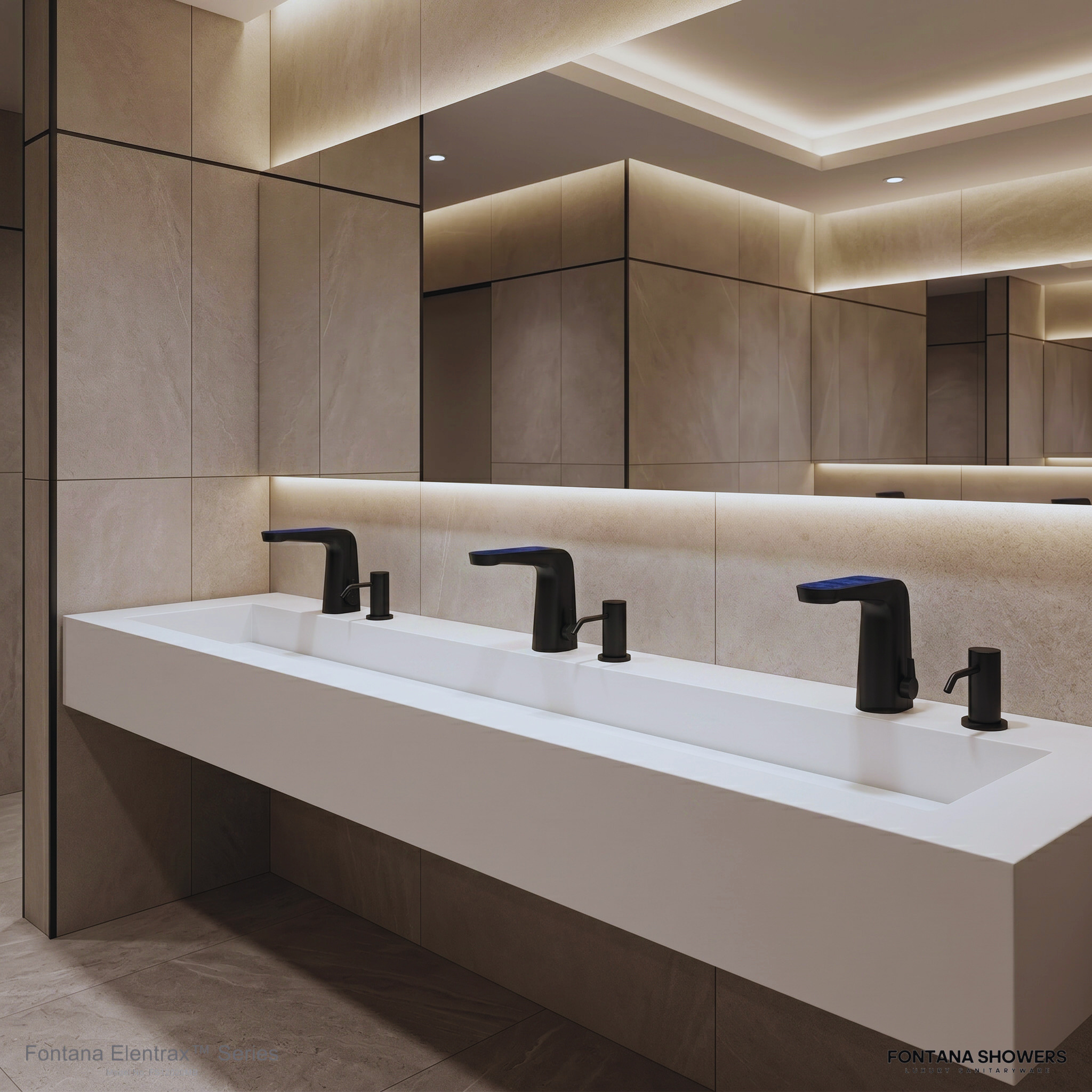
Airport Faucet Specification Image Frames
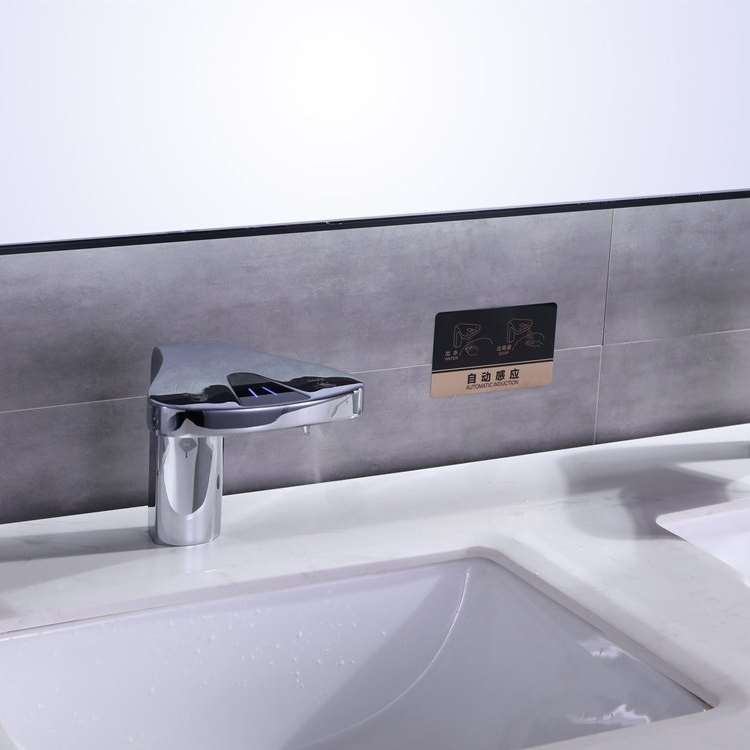
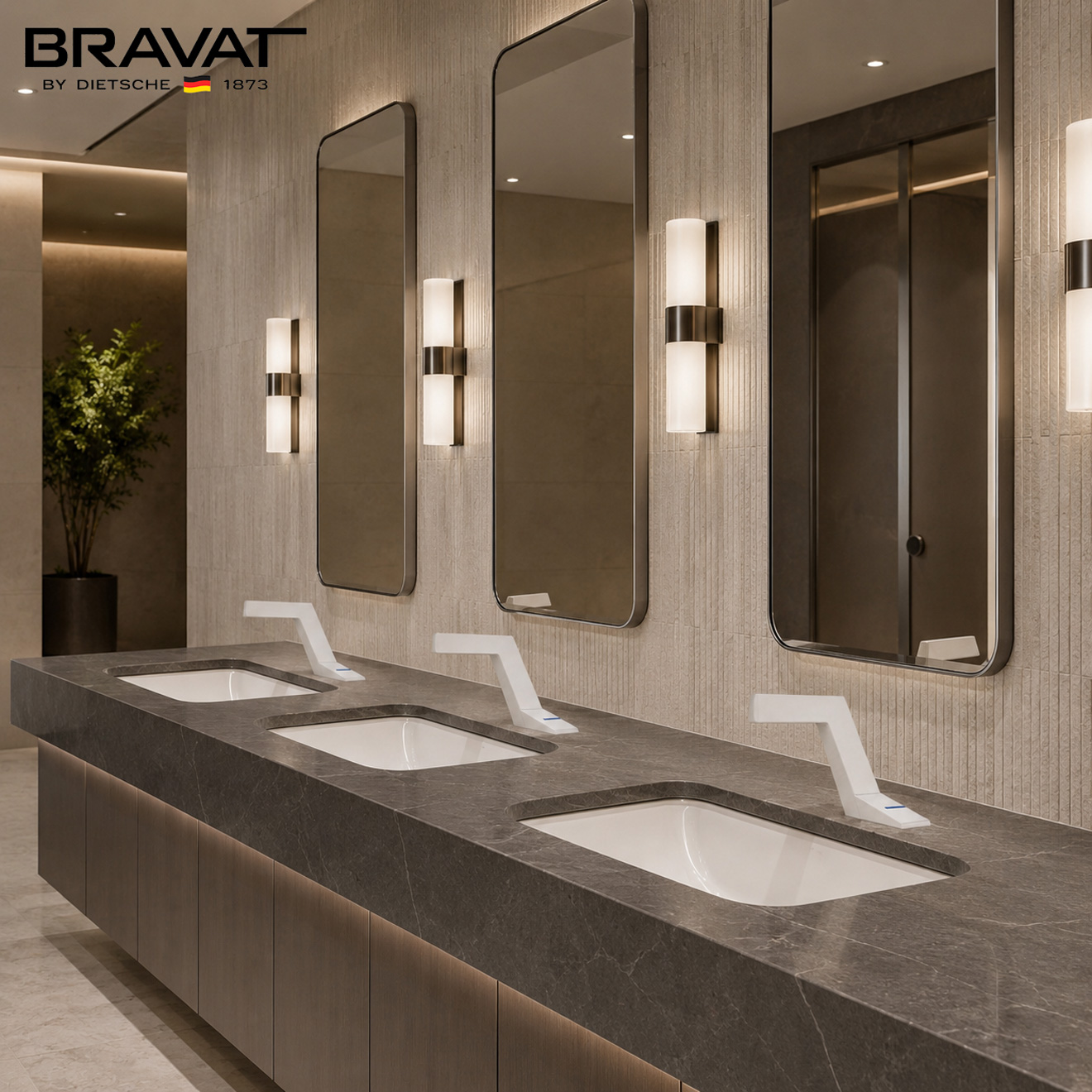
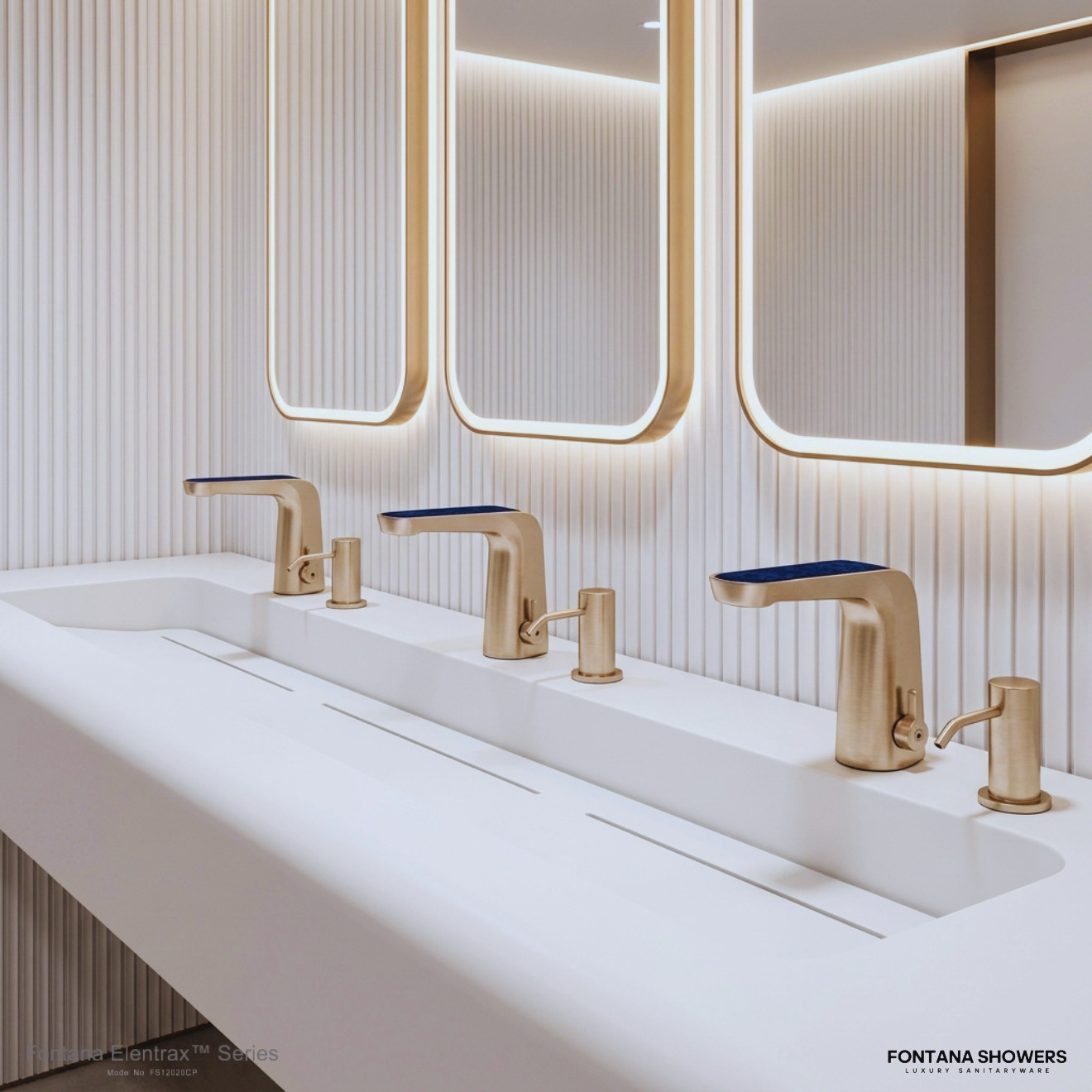
These additional visual frames support the existing buyer’s guide with more image placement areas for airport restroom planning, product selection, specification review, and aviation facility design.


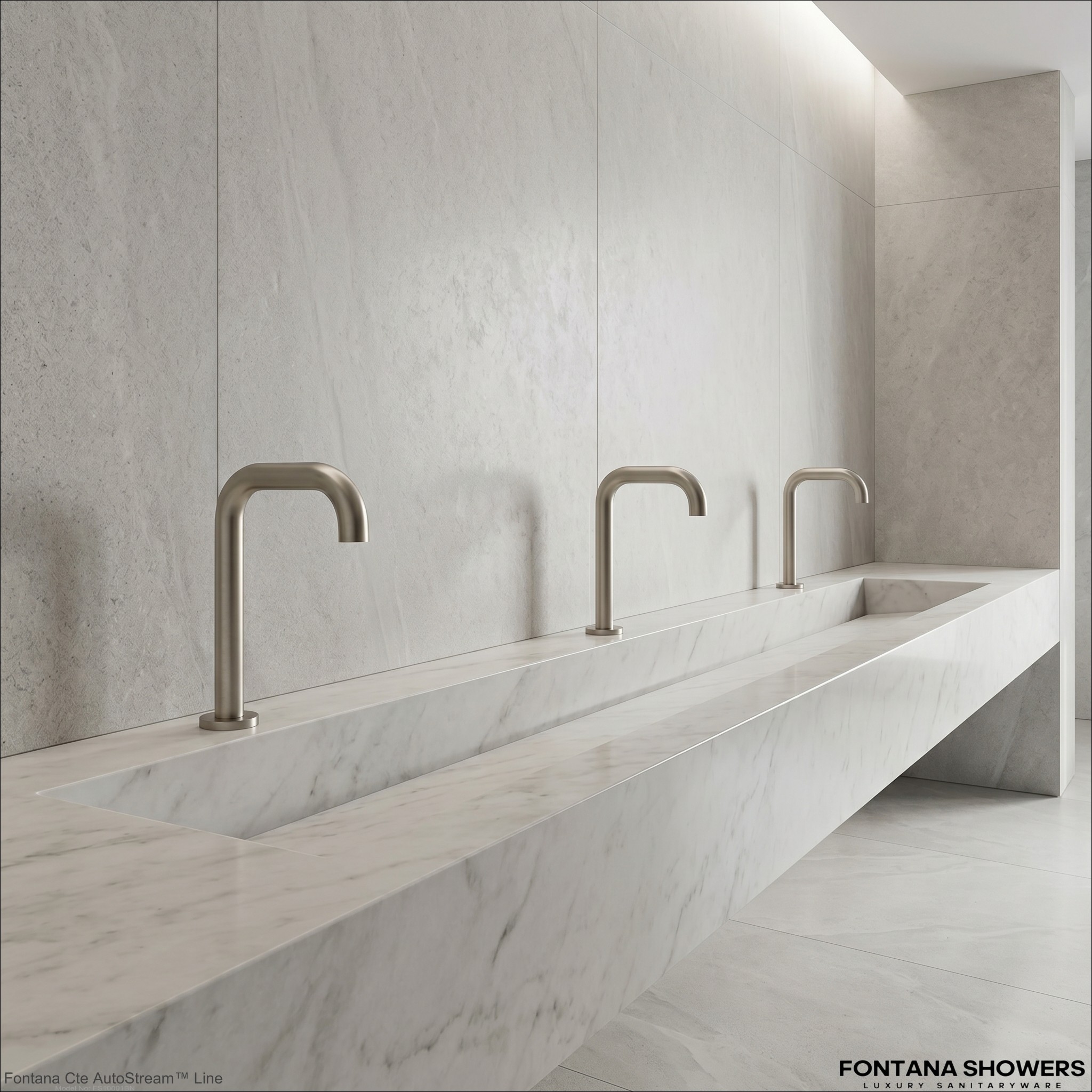
Why Buyers Need a Checklist
Airport restrooms face intense daily use, rapid traffic waves, frequent cleaning, and high visibility. A faucet that works well in a small office may fail quickly in an airport restroom where passengers wash hands before boarding, after arrivals, near food courts, in lounges, and in baggage claim areas.
The buying decision should account for the full lifecycle: acquisition cost, installation, sensor reliability, power supply, aerator service, solenoid replacement, cleaning compatibility, ADA usability, water consumption, downtime, warranty, and parts availability. A cheaper fixture can become expensive if it causes repeated service calls or fails during peak passenger periods.
Touchless Operation
Reduces shared handle contact and supports a cleaner passenger restroom experience.
Commercial Durability
Airport faucets need heavy-duty construction, reliable cartridges or solenoids, and finish resistance.
Water Efficiency
Low-flow aerators and automatic shutoff reduce unnecessary water use across many daily activations.
Maintenance Access
Service teams need easy access to sensors, batteries, filters, aerators, and solenoids.

Types of Commercial Airport Faucets
Most airport buyers compare three main categories: manual commercial faucets, basic sensor faucets, and premium airport-grade touchless faucets. Manual fixtures may still fit low-traffic back-of-house areas, but passenger-facing restrooms increasingly favor touchless systems for hygiene, water control, and user expectations.
| Faucet Type | Best Use | Airport Buyer Notes |
|---|---|---|
| Manual commercial faucet | Staff restrooms, maintenance areas, low-traffic facilities | Simple to repair but creates shared touchpoints and depends on users to shut off water. |
| Basic sensor faucet | Moderate traffic public restrooms | Good hygiene upgrade, but buyers must verify sensor range, power, and serviceability. |
| Premium airport-grade touchless faucet | Concourses, arrivals, lounges, FBOs, baggage claim, food court restrooms | Best fit for high traffic, water control, durability, ADA usability, and long-term modernization. |
| Wall-mounted touchless faucet | Premium sink decks and trough-style airport counters | Helps keep counters clean and can support elegant terminal restroom design. |
| Deck-mounted touchless faucet | Standard commercial lavatories and retrofits | Often easier to retrofit where existing counter holes and plumbing are already set. |
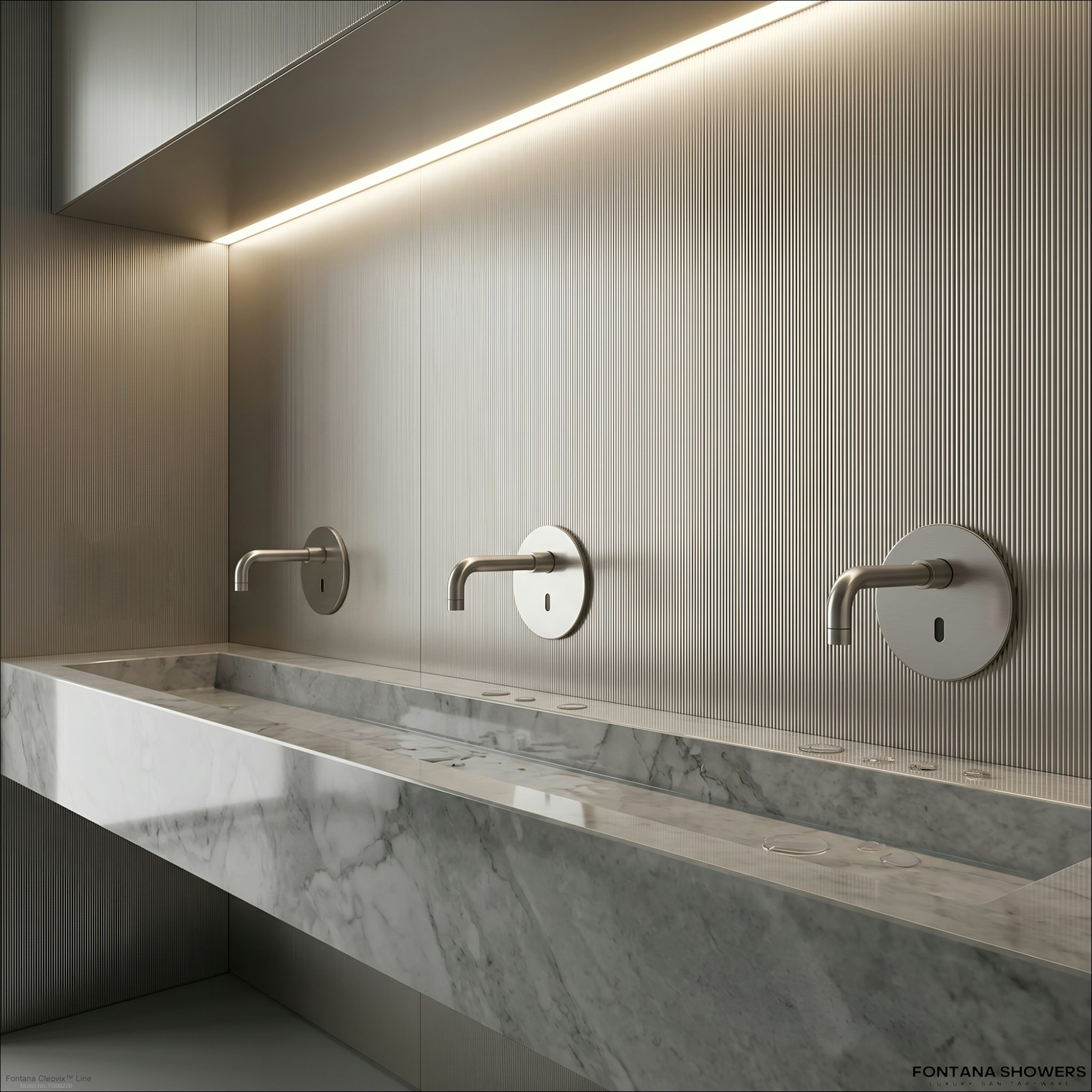
Top Buying Criteria
Airport faucet procurement should be guided by performance specifications, not just appearance. A buyer should request cut sheets, installation guides, flow-rate data, warranty details, replacement part numbers, cleaning guidance, power requirements, and accessibility documentation before purchase.
Look for adjustable detection range, quick activation, and low false-trigger behavior.
High-traffic restrooms often benefit from hardwired power with battery backup.
Specify low-flow aerators that conserve water without causing weak handwashing performance.
Confirm that solenoids, filters, aerators, and batteries can be accessed quickly.
Check cleaning chemical compatibility and warranty coverage for the finish.
Verify sensor reach, lavatory height, clear floor space, and accessory placement.

Materials and Finishes
Commercial airport faucets are exposed to thousands of activations, cleaning chemicals, mineral buildup, luggage bumps, and constant public use. Stainless steel and solid brass construction are common choices because they support durability and long-term serviceability. The finish should be selected based on cleaning frequency, design intent, corrosion resistance, and visible maintenance standards.
| Material / Finish | Strengths | Buyer Consideration |
|---|---|---|
| Stainless steel | Strong corrosion resistance, modern commercial look, durable surface | Excellent for high-use airport restrooms and easy-clean design standards. |
| Commercial brass body | Strong internal structure, common in premium commercial faucet construction | Check plating quality, finish warranty, and lead-free compliance requirements. |
| Chrome finish | Bright, familiar, easy to match with commercial restroom accessories | Shows fingerprints and water spots more visibly but remains common. |
| Brushed nickel / stainless finish | Premium, lower-glare appearance, hides fingerprints better | Good for lounges, FBOs, and upgraded terminal restrooms. |
| Matte black / specialty finishes | Modern design impact | Review scratch resistance, cleaning compatibility, and replacement availability. |
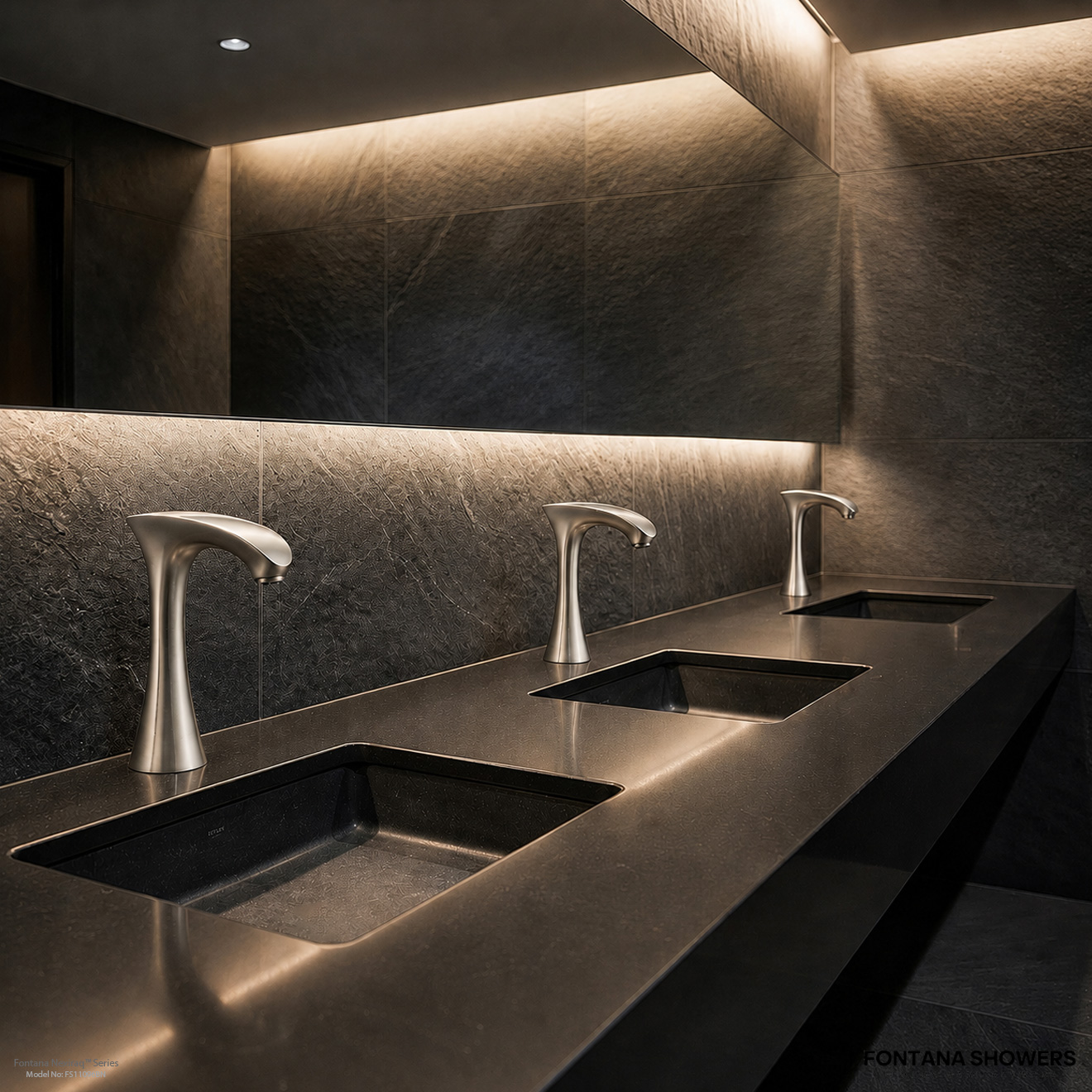
Water Efficiency and Lifecycle Data
EPA WaterSense states that WaterSense-labeled bathroom sink faucets and accessories use a maximum of 1.5 gallons per minute and can reduce sink water flow by 30% or more compared with standard 2.2 GPM fixtures. In an airport, small per-use savings can scale because many restroom banks operate nearly continuously during busy travel periods.
Buyers should evaluate not only the fixture price, but also lifecycle costs: water use, replacement parts, maintenance labor, downtime, battery replacement, warranty support, and cleaning compatibility.
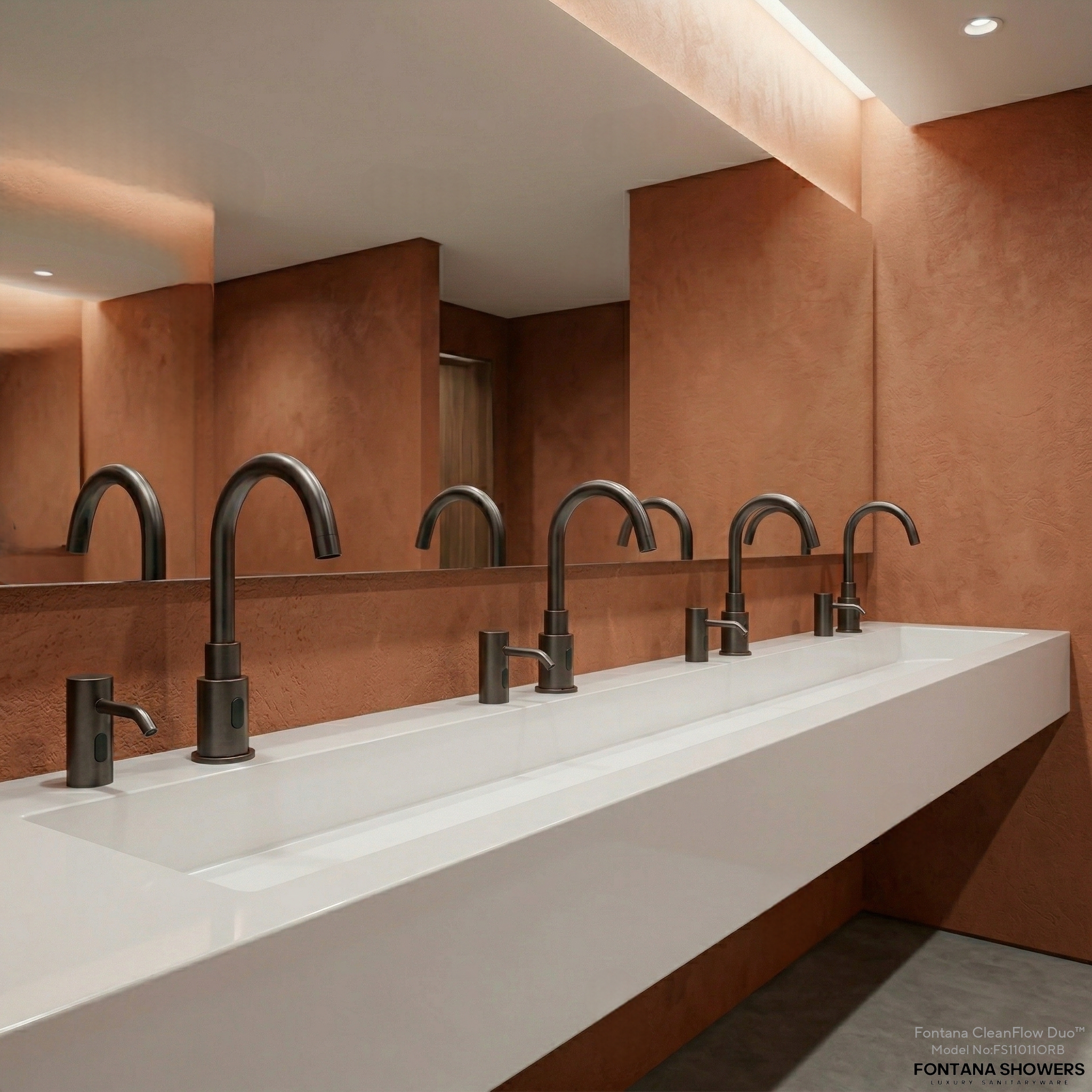
Buyer Comparison Table
| Buying Factor | Low-Cost Faucet | Airport-Grade Touchless Faucet | Buyer Recommendation |
|---|---|---|---|
| Sensor activation | Basic, limited tuning | Adjustable range and more reliable activation | Choose adjustable sensor logic for public restrooms. |
| Power | Battery only | Battery, AC, DC, or hybrid options | Use hardwired power with backup in high-traffic zones. |
| Water control | Basic aerator | Low-flow aerator plus automatic shutoff | Specify flow rate and timeout requirements. |
| Maintenance | Harder part access | Serviceable filters, solenoids, batteries, aerators | Confirm parts access before purchase. |
| Finish | May wear faster | Commercial finish options with cleaning resistance | Check chemical compatibility and finish warranty. |
| Documentation | Limited | Cut sheets, O&M manuals, warranty, parts lists | Require full documentation for procurement approval. |
| Lifecycle cost | Lower upfront, higher risk | Higher upfront, lower long-term disruption | Buy based on lifecycle value, not only fixture price. |
Procurement Checklist
| Question | Why It Matters | What to Request |
|---|---|---|
| Is the faucet rated for heavy commercial use? | Airport restrooms create high activation cycles. | Commercial warranty and duty-cycle details. |
| Can the sensor range be adjusted? | Different sinks and users require different detection zones. | Installation manual and sensor setting options. |
| What power options are available? | Battery-only systems may increase maintenance workload. | AC/DC options and battery replacement schedule. |
| Are replacement parts easy to source? | Delays create out-of-service fixtures. | Parts list, lead time, and distributor availability. |
| Does it support ADA-accessible use? | Airport users have diverse mobility needs. | Accessibility review and installation dimensions. |
| Will the finish tolerate cleaning chemicals? | Airport restrooms are cleaned frequently. | Cleaning guide and finish warranty. |
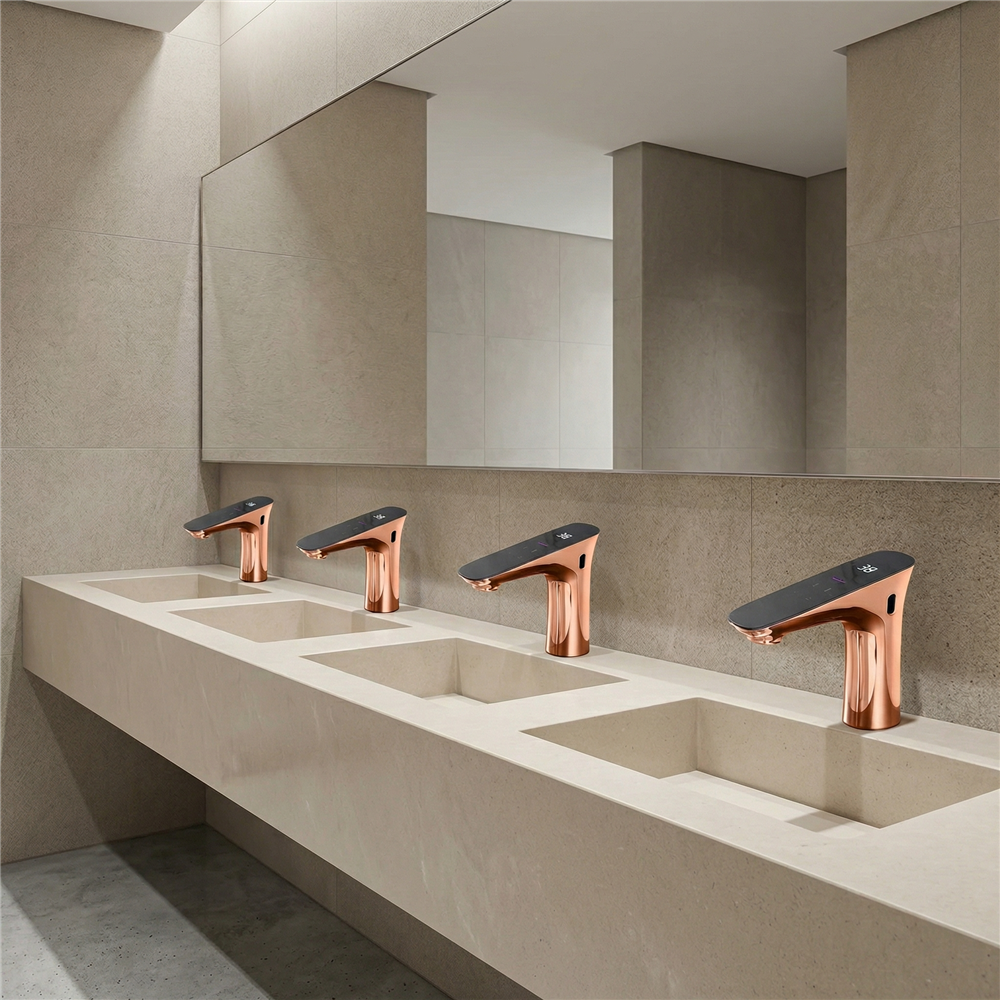
Airport Buying Case Model
Consider an airport replacing faucets across six restroom banks near gates, arrivals, and a premium lounge. The buyer must choose fixtures that can reduce water use, improve passenger hygiene confidence, fit existing plumbing, and lower long-term maintenance disruption.
Document faucet age, service calls, water flow, user complaints, ADA issues, and sink geometry.
Test sensor response, splash, shutoff timing, cleaning compatibility, and maintenance access in one busy restroom bank.
Evaluate fixture price, install labor, water savings, parts cost, battery changes, and service-call reduction.
Choose one or two approved faucet families and standardize spare parts across the airport.
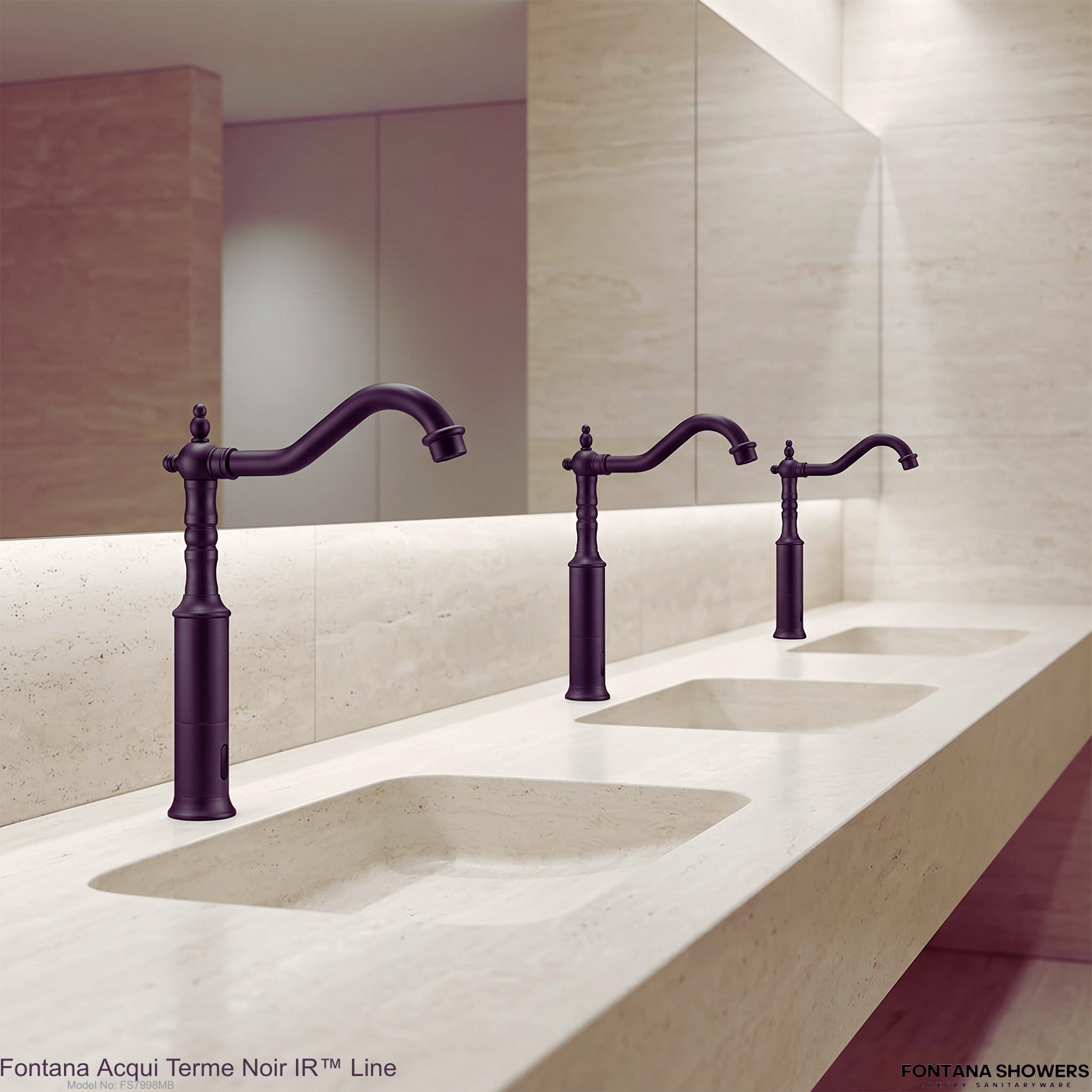
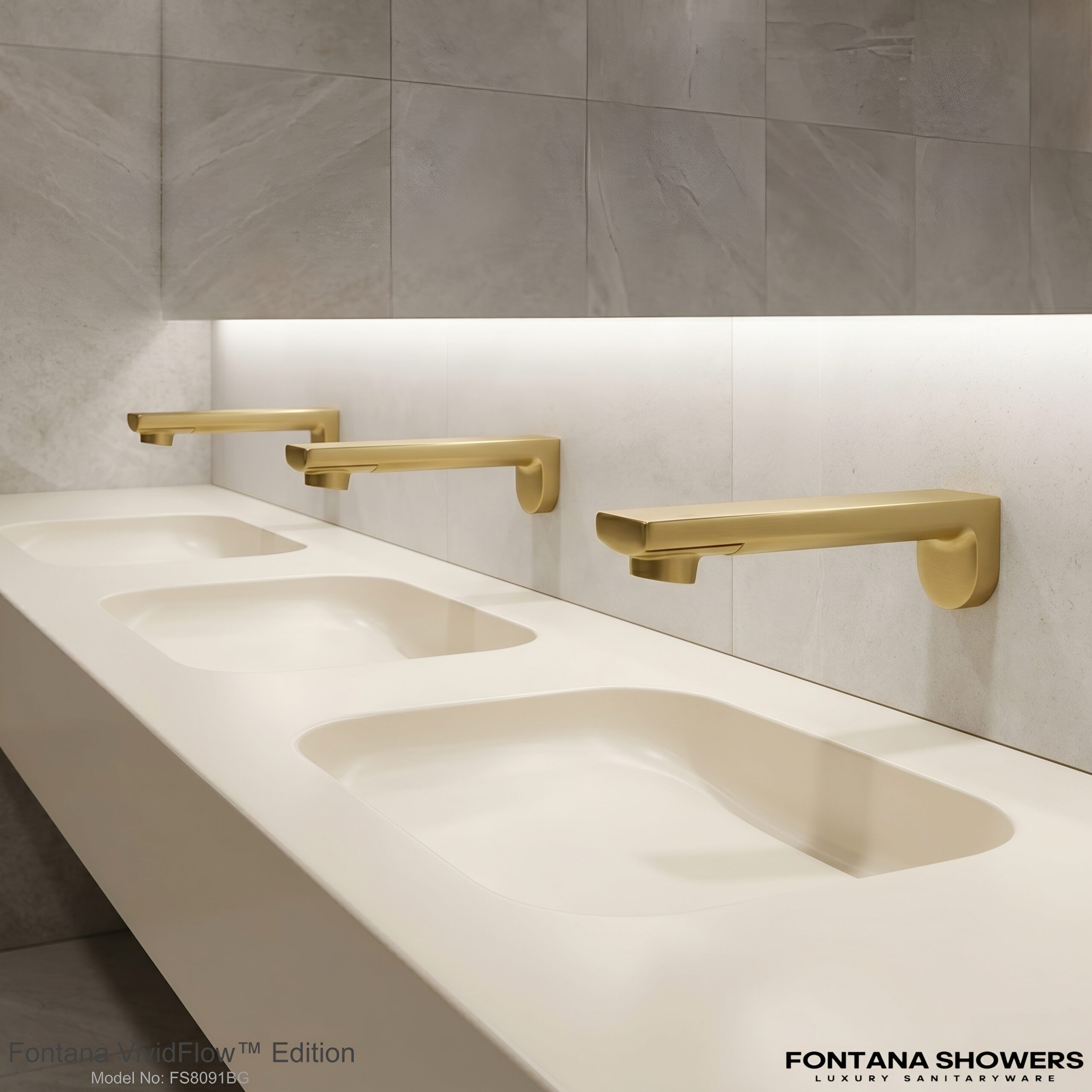
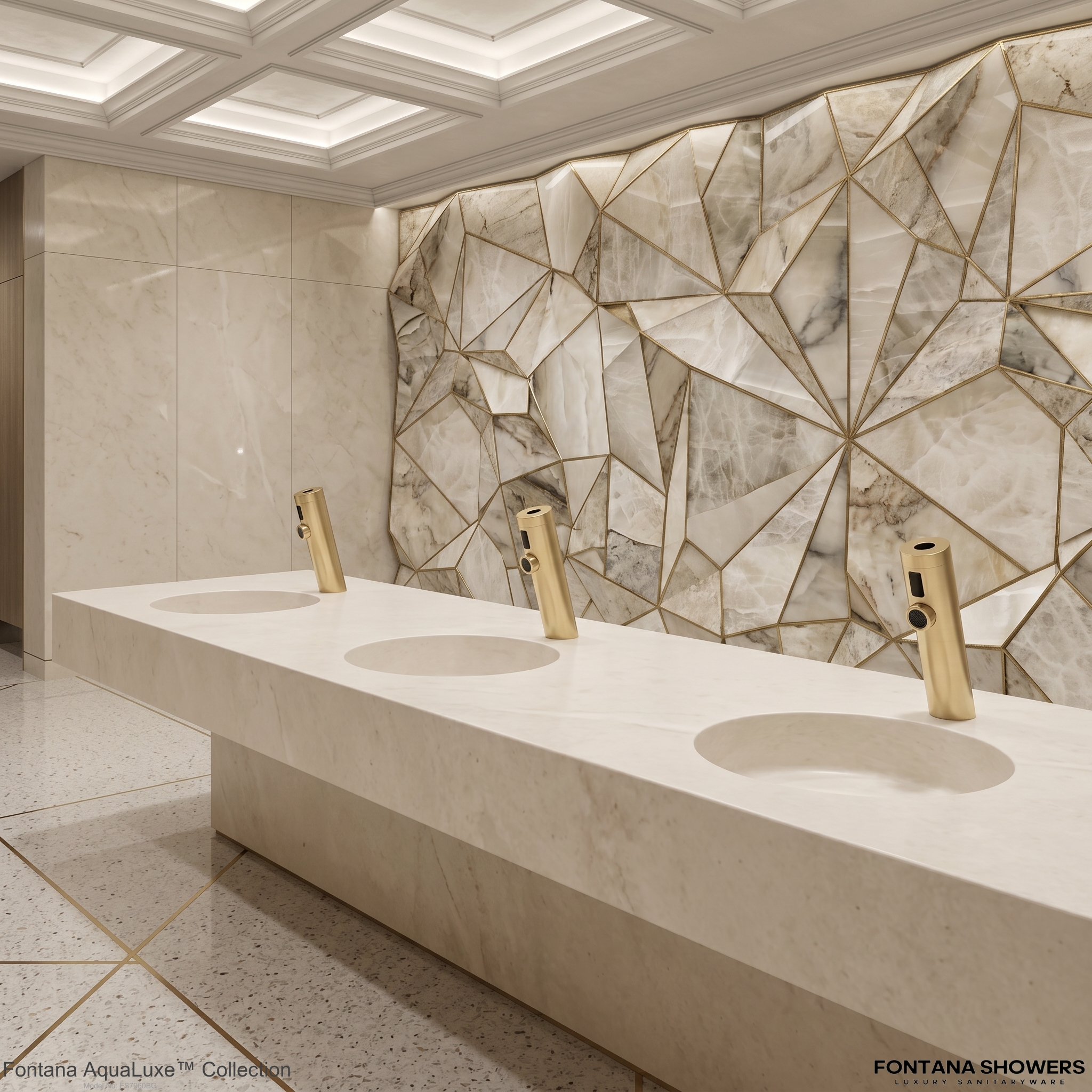
Additional Airport Restroom Visual Frames
The frames below add more image placement options while keeping the buyer’s guide clean, full-width, and card-based for WordPress publishing.
FAQs
What type of faucet is best for commercial airport restrooms?
For public passenger restrooms, commercial-grade touchless faucets are usually the best choice because they reduce shared contact, control water use, and support a modern passenger experience.
Should airports choose deck-mounted or wall-mounted faucets?
Deck-mounted faucets are often easier for retrofits. Wall-mounted faucets can create a cleaner premium look and may simplify counter cleaning when designed correctly.
What material is best for airport faucets?
Commercial stainless steel and solid brass bodies are common choices. Buyers should verify finish durability, cleaning compatibility, and warranty coverage.
Are airport touchless faucets ADA-friendly?
They can be, but the full lavatory design must be checked: sensor reach, sink height, clear floor space, knee clearance, and accessory placement all matter.
Do touchless faucets save water?
They can reduce unnecessary runtime through automatic shutoff and low-flow aerators. Actual savings depend on traffic, flow rate, calibration, and maintenance.
What is the biggest buying mistake?
Buying based on upfront price alone without checking sensor reliability, parts availability, power strategy, water flow, and maintenance access.
How many faucet models should an airport standardize?
Many airports benefit from limiting approved faucet families so parts, training, and repairs are easier to manage.
What documentation should buyers request?
Cut sheets, installation manuals, O&M manuals, flow-rate data, ADA installation guidance, warranty, parts list, and cleaning instructions.
Conclusion
The best commercial airport faucet is not just the most attractive fixture or the lowest bid. It is the faucet that performs reliably under airport traffic, improves hygiene confidence, conserves water, supports accessibility, resists heavy cleaning, and can be serviced quickly by facility teams.
For airport terminals, FBOs, lounges, and aviation facilities, the strongest buying strategy is to specify commercial-grade touchless faucets with proven sensor performance, low-flow delivery, automatic shutoff, serviceable parts, durable materials, and complete documentation. When buyers evaluate lifecycle performance instead of only upfront price, airport restroom faucet projects deliver better passenger experience and lower operational risk.
Reference Sources
Use these authority and product-reference sources for additional review. Each link opens in a new tab.
Fontana Aviation Faucets
Internal aviation faucet resource for airport restroom fixture planning and commercial restroom specification.
Visit Fontana AviationFontana Airport Restroom Faucets
Relevant internal product category for airport restroom faucets and commercial aviation lavatory planning.
View Airport Faucet CategoryAirport Restroom Faucet Guide
Additional Fontana reference for touchless restroom fixture selection in airport and aviation environments.
Open Airport Faucet GuideAirport Restroom Design Challenges
Internal specification guide covering airport restroom design challenges, user flow, hygiene, and fixture durability.
Read Design ChallengesFontana Commercial Fixtures
Commercial touchless faucets, automatic soap dispensers, and high-traffic restroom fixture systems.
Explore Commercial FixturesCommercial Touchless Faucets
Relevant Fontana resource for automatic sensor faucet options used in demanding public restroom spaces.
View Touchless FaucetsEPA WaterSense Bathroom Faucets
Authority source for water-efficient bathroom faucets, flow-rate guidance, and WaterSense savings information.
Open EPA WaterSenseU.S. Access Board Lavatories & Sinks
Official accessibility guidance for lavatories and sinks used in public facilities and restroom planning.
Open Access Board GuideADA Design Standards
Official ADA design standards resource for accessible building and facility requirements.
View ADA StandardsCDC Clean Hands
Public-health resource supporting hand hygiene education and restroom hygiene communication.
Open CDC Clean HandsDOE Water-Efficient Purchasing
Federal purchasing resource for water-efficient faucets and other plumbing fixture categories.
View DOE Purchasing GuideStern Airport Touchless Washrooms
Relevant outsourced reference discussing touchless solutions for airport washroom environments.
Read Airport Washroom Reference