
Best Materials for Aviation-Grade Faucets: Stainless Steel vs. Brass
Choosing the right material for aviation-grade faucets is critical for airports, private jet terminals, airline lounges, and commercial restroom infrastructure projects. In 2026, stainless steel and brass remain the two dominant materials used in premium aviation faucets because of their durability, corrosion resistance, appearance, hygiene performance, and long-term operational reliability. However, each material offers different advantages depending on the airport environment, passenger traffic, maintenance priorities, and architectural goals.
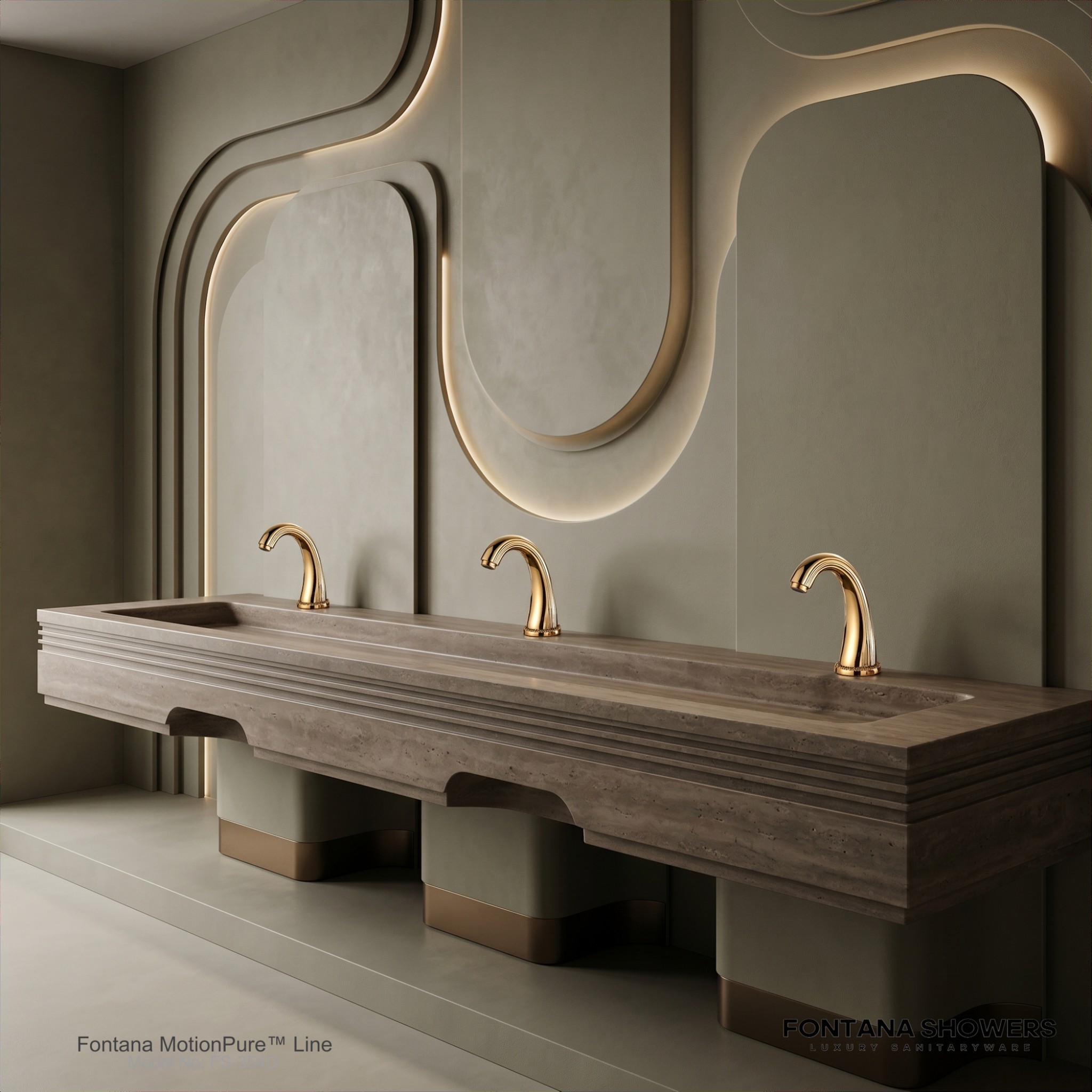
Why Material Selection Matters in Aviation Restrooms
Airport restrooms operate under extremely demanding conditions. Fixtures must handle continuous passenger use, constant cleaning cycles, humidity exposure, varying water conditions, and strict appearance standards. Unlike residential faucets, aviation-grade fixtures are expected to deliver consistent performance across thousands of daily usage cycles.
Material selection directly affects durability, corrosion resistance, finish longevity, hygiene visibility, maintenance frequency, and passenger perception. Stainless steel and brass both dominate the commercial aviation sector because they can support high-traffic operational environments while maintaining premium aesthetics.
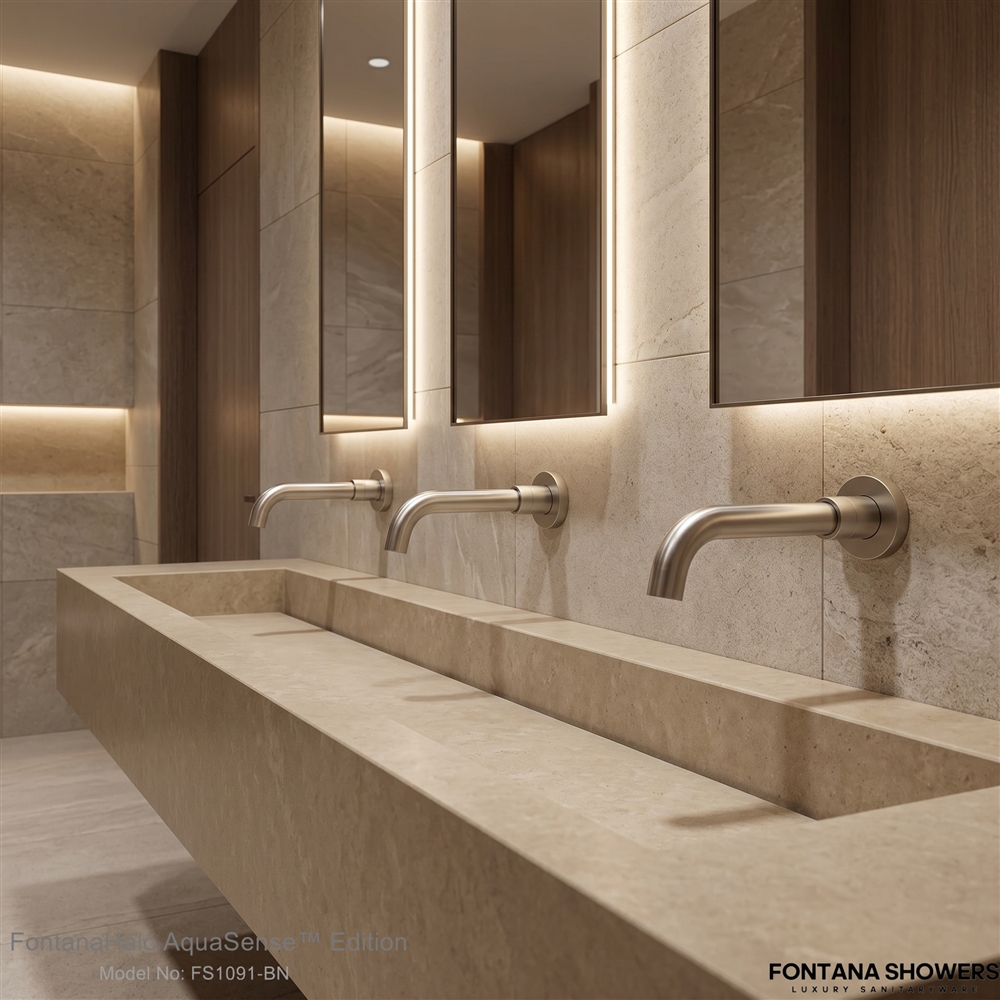
Stainless Steel Aviation Faucets
Stainless steel faucets are highly valued in aviation environments because of their corrosion resistance, modern appearance, hygienic surface properties, and structural durability. They are especially popular in modern commercial airport terminals where clean architectural aesthetics and low-maintenance operation are priorities.
Advantages of Stainless Steel
- Strong corrosion resistance in humid environments
- Modern commercial appearance
- Excellent durability for high-traffic terminals
- Often associated with hygienic, low-maintenance surfaces
- Fingerprint-resistant finishes available
- Works well in contemporary airport architecture
Potential Considerations
- Premium stainless finishes may increase project cost
- Scratches can become visible under harsh cleaning
- Cold metallic appearance may not suit all luxury interiors
- Finish quality varies significantly by manufacturer
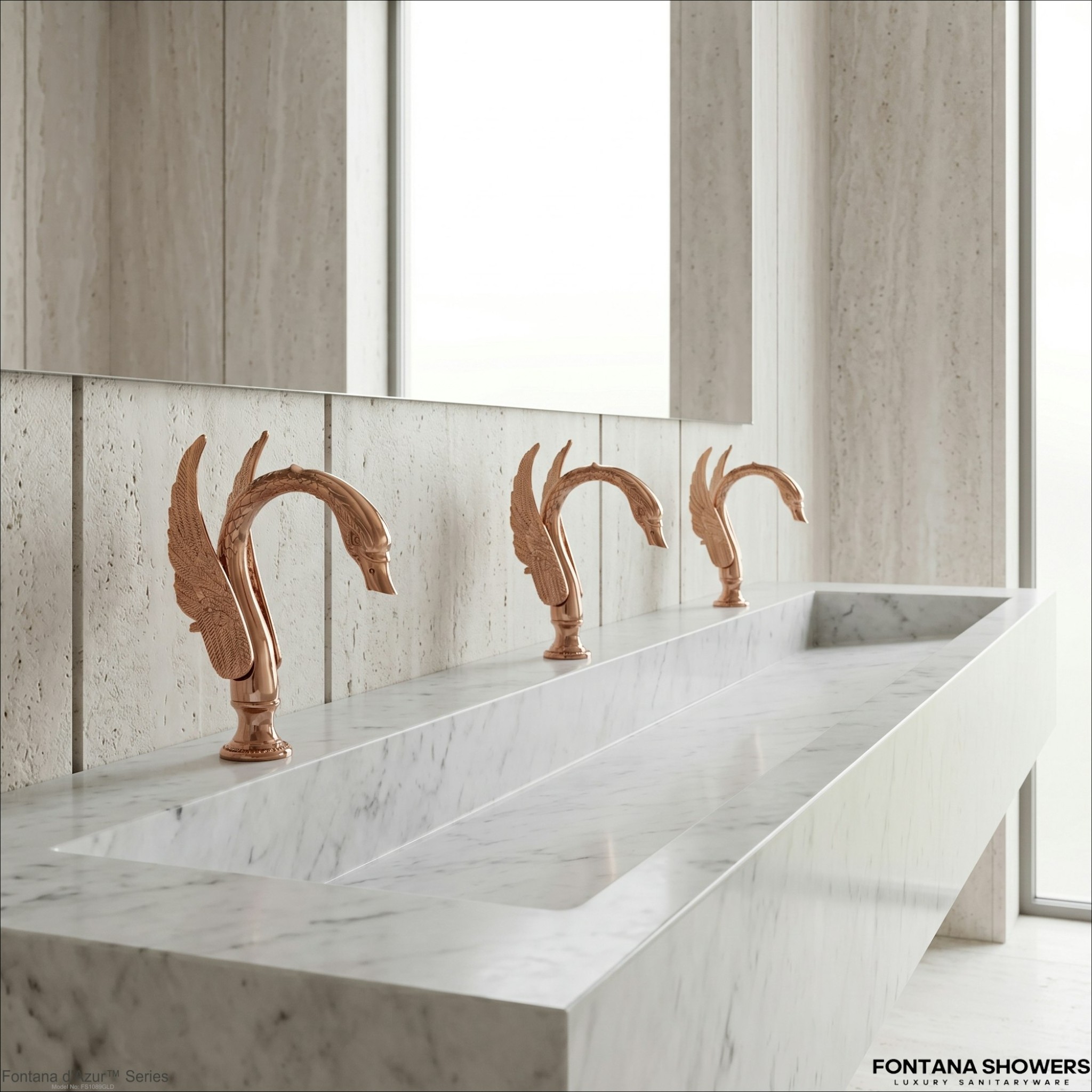
Brass Aviation Faucets
Brass remains one of the most respected materials in premium commercial faucet manufacturing because of its strength, casting versatility, long-term reliability, and luxurious finish compatibility. Many high-end airport lounges and private jet terminals prefer brass fixtures because they support warm luxury finishes such as brushed gold, bronze, satin brass, and polished chrome.
Advantages of Brass
- Strong structural durability
- Supports luxury decorative finishes
- Excellent for premium hospitality aesthetics
- Long commercial lifespan when properly coated
- Popular in luxury aviation lounges and VIP terminals
- Versatile for custom architectural fixture designs
Potential Considerations
- Requires quality finishing to resist tarnish
- Can show fingerprints depending on finish
- Some decorative coatings need periodic maintenance
- Premium brass systems may increase specification cost
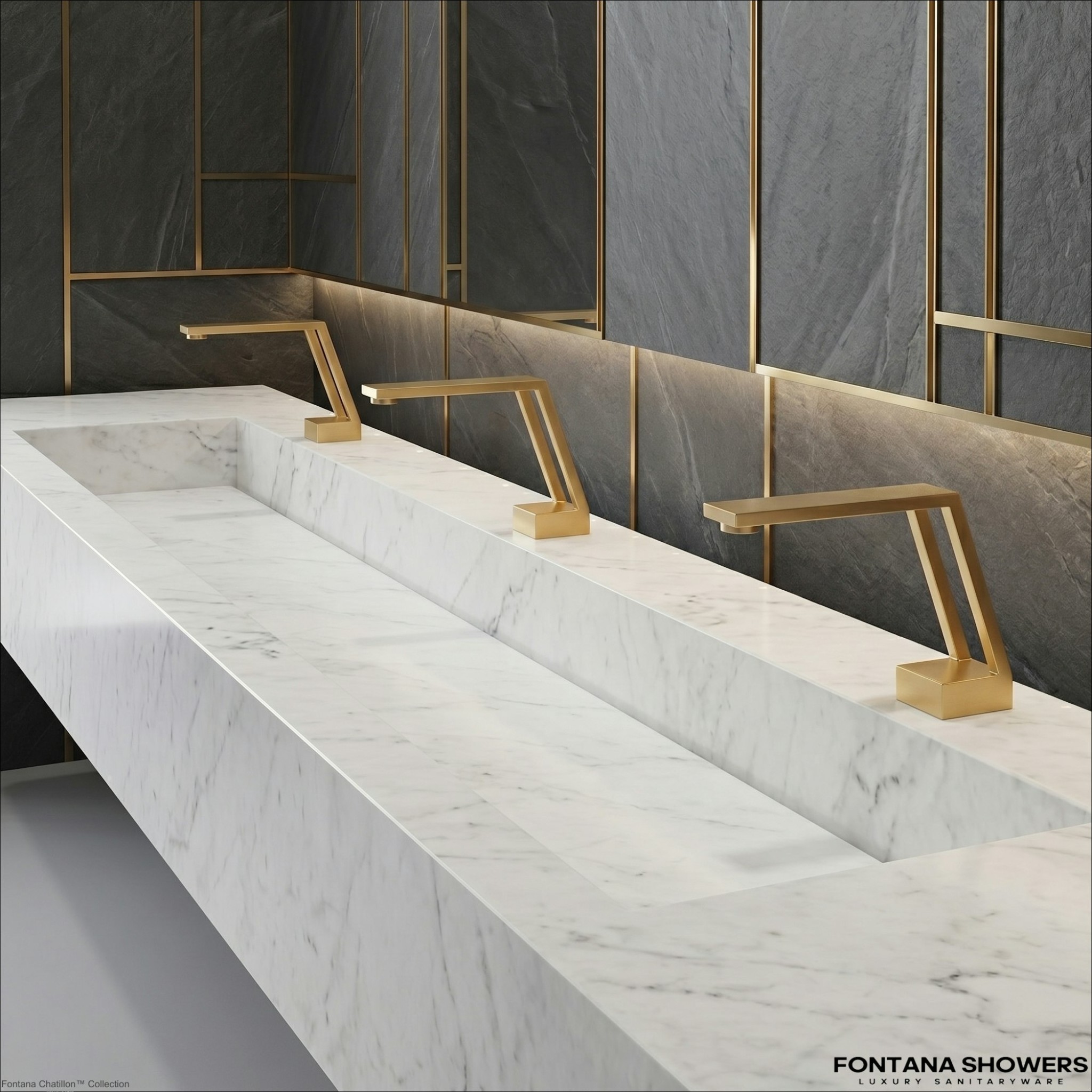
Stainless Steel vs. Brass: Full Comparison Table
| Performance Category | Stainless Steel Faucets | Brass Faucets |
|---|---|---|
| Corrosion Resistance | Excellent | Very good with proper finish |
| Luxury Appearance | Modern commercial aesthetic | Warm premium hospitality aesthetic |
| Maintenance Requirements | Generally low | Moderate depending on finish type |
| Finish Variety | Moderate | Extensive luxury finish options |
| Fingerprint Resistance | Strong with brushed finishes | Depends on coating and polish level |
| Commercial Durability | Excellent | Excellent |
| Luxury VIP Lounge Compatibility | Good | Excellent |
| Modern Airport Compatibility | Excellent | Very good |
| Touchless Sensor Integration | Excellent | Excellent |
| Long-Term Appearance Stability | Strong | Dependent on finish quality |
Which Material Is Better for Airports?
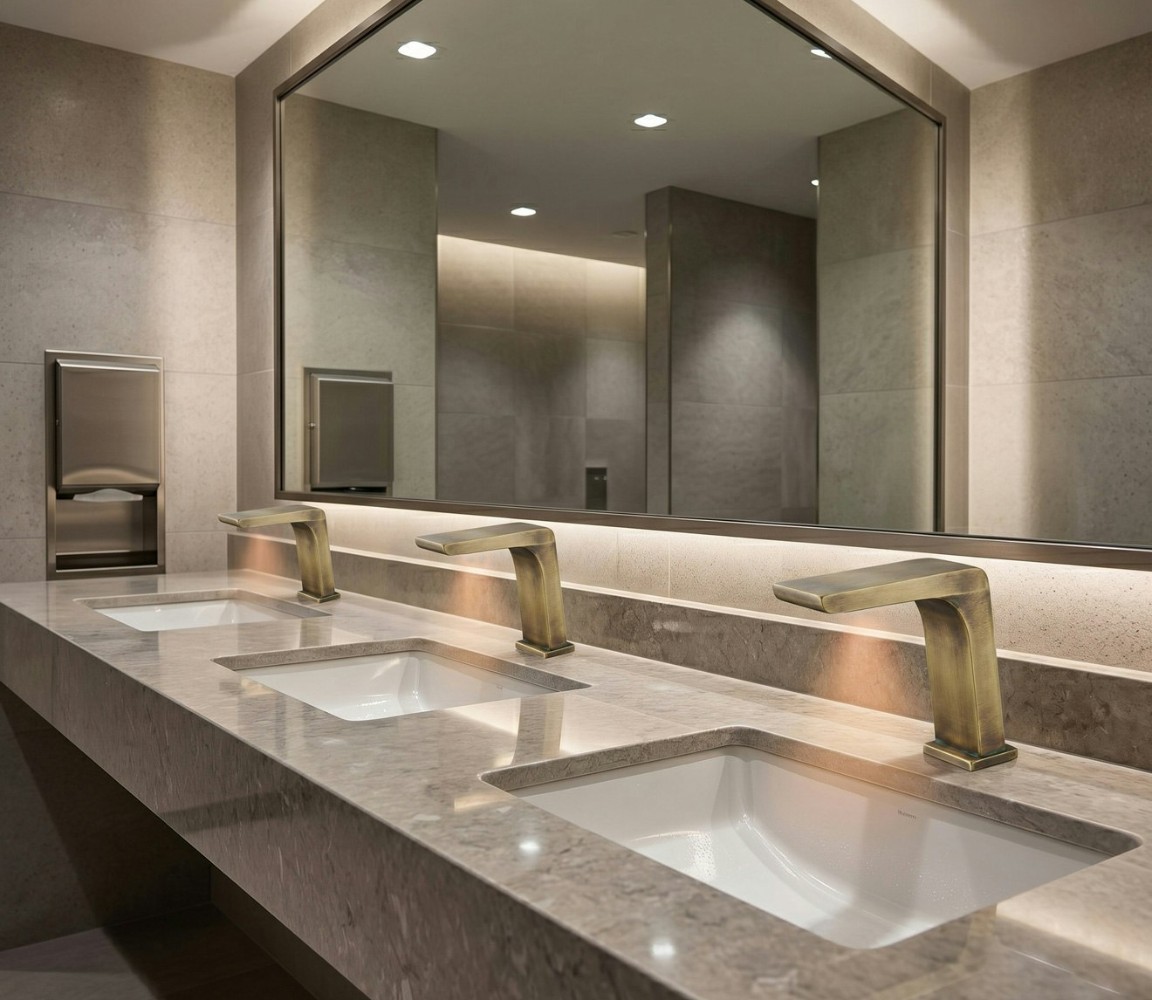
The answer depends on the airport environment and design objectives. Large commercial terminals focused on modern aesthetics, operational durability, and lower maintenance often prefer stainless steel systems. VIP lounges, luxury terminals, and hospitality-driven airport spaces may prefer brass because of its warmth, finish flexibility, and luxury presentation.
In practice, many airport projects use both materials in different areas. Stainless steel may dominate high-volume public restroom banks, while brass-based fixtures appear in executive lounges, premium suites, and private aviation terminals.
FAQs
Which material lasts longer in airport environments?
Both stainless steel and brass can deliver excellent longevity when manufactured to commercial standards. Stainless steel often performs exceptionally well in high-moisture, high-cleaning environments, while brass offers excellent structural durability and luxury finish flexibility.
Are stainless steel faucets better for hygiene?
Stainless steel is widely associated with hygienic commercial environments because of its clean appearance and resistance to corrosion. Touchless operation is equally important for improving hygiene performance.
Why do luxury airport lounges often use brass fixtures?
Brass supports warm premium finishes such as brushed gold, satin brass, and bronze that align with luxury hospitality design trends.
Can brass faucets be used in high-traffic airports?
Yes. Commercial-grade brass faucet systems are widely used in airports, hotels, and executive lounges when finished and maintained properly.
Which material is more modern-looking?
Stainless steel is generally associated with sleek contemporary commercial aesthetics, while brass is often associated with luxury hospitality environments.
Do both materials support touchless sensors?
Yes. Both stainless steel and brass faucets are commonly integrated with modern infrared or capacitive sensor systems.
What matters more than the material itself?
Engineering quality, internal components, finish durability, commercial certifications, and proper installation often matter just as much as the base material.
Authority References
Stainless Steel & Brass Touchless Faucets: Professional Field Reviews
Six commercial touchless faucet reviews selected for architects, plumbing engineers, MEP consultants, contractors and facility teams evaluating structural durability, corrosion resistance, sensor performance, cleaning exposure and lifecycle maintenance.
Selected Stainless Steel & Brass Touchless Faucet Reviews
The selected reviews place greater weight on material behavior than appearance alone. Evidence includes corrosion resistance, chemical-cleaning exposure, brass-body durability, stainless-steel rigidity, sensor stability, replaceable components and repeated commercial operation.

Fontana Dax Stainless Steel Long Automatic Sensor Faucet
View Verified Product →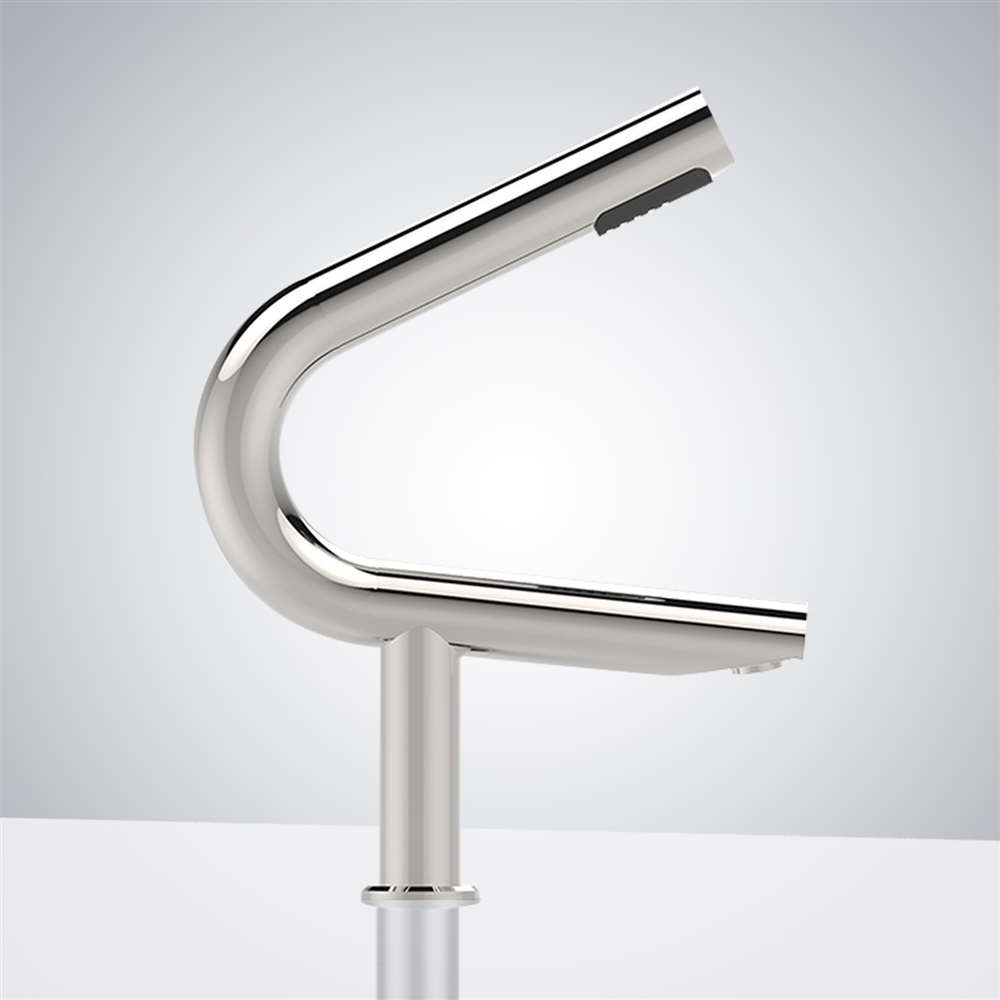
Fontana Commercial Automatic Touchless Sensor Faucet
View Verified Product →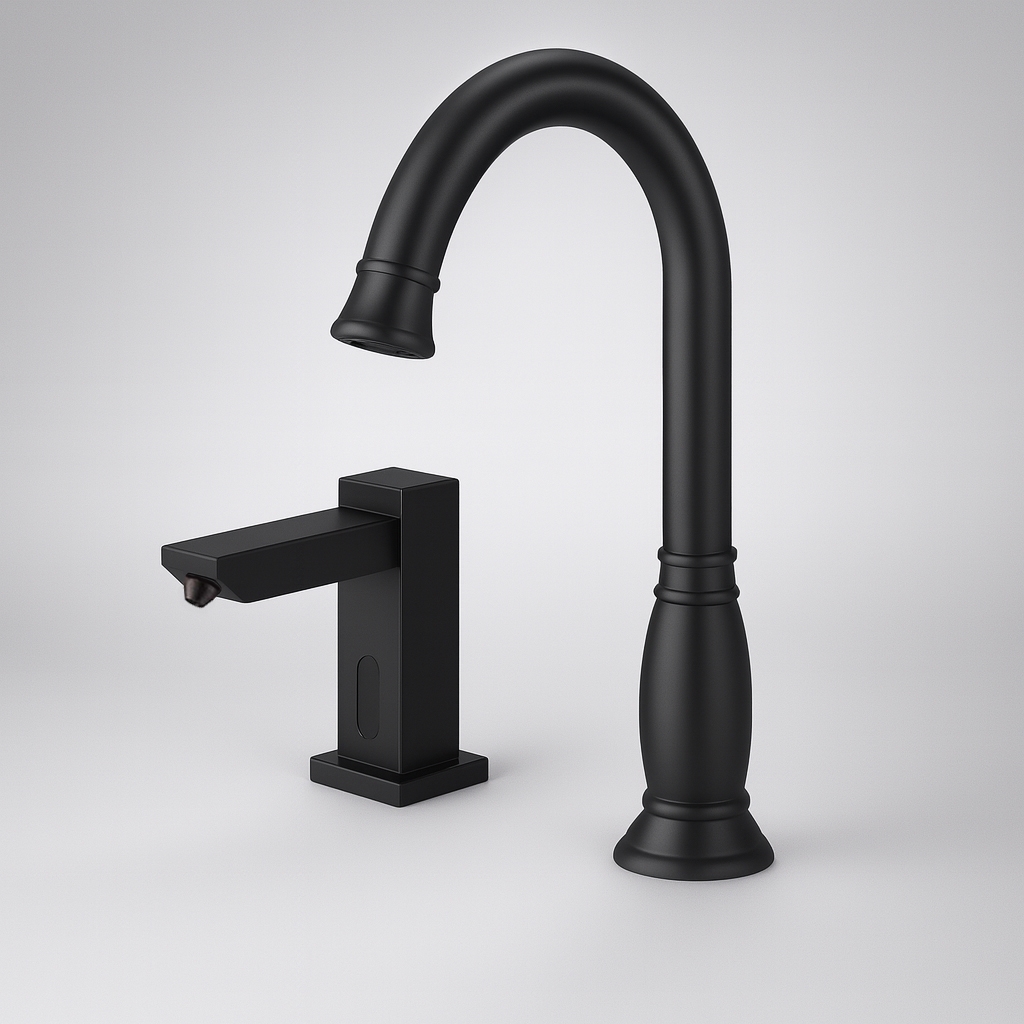
Fontana Gun Metal Grey Sensor Faucet & Soap Dispenser
View Verified Product →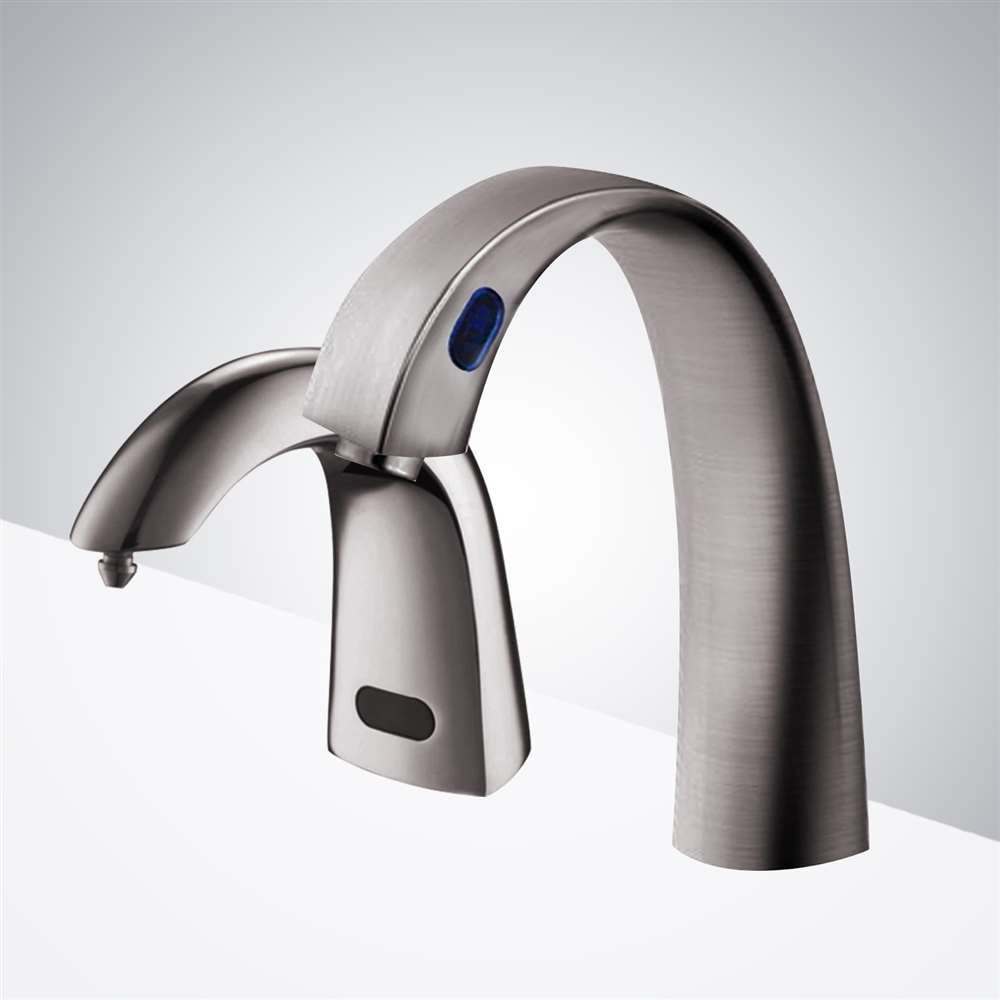
Fontana Infrared Commercial Sensor Faucet & Soap Dispenser
View Verified Product →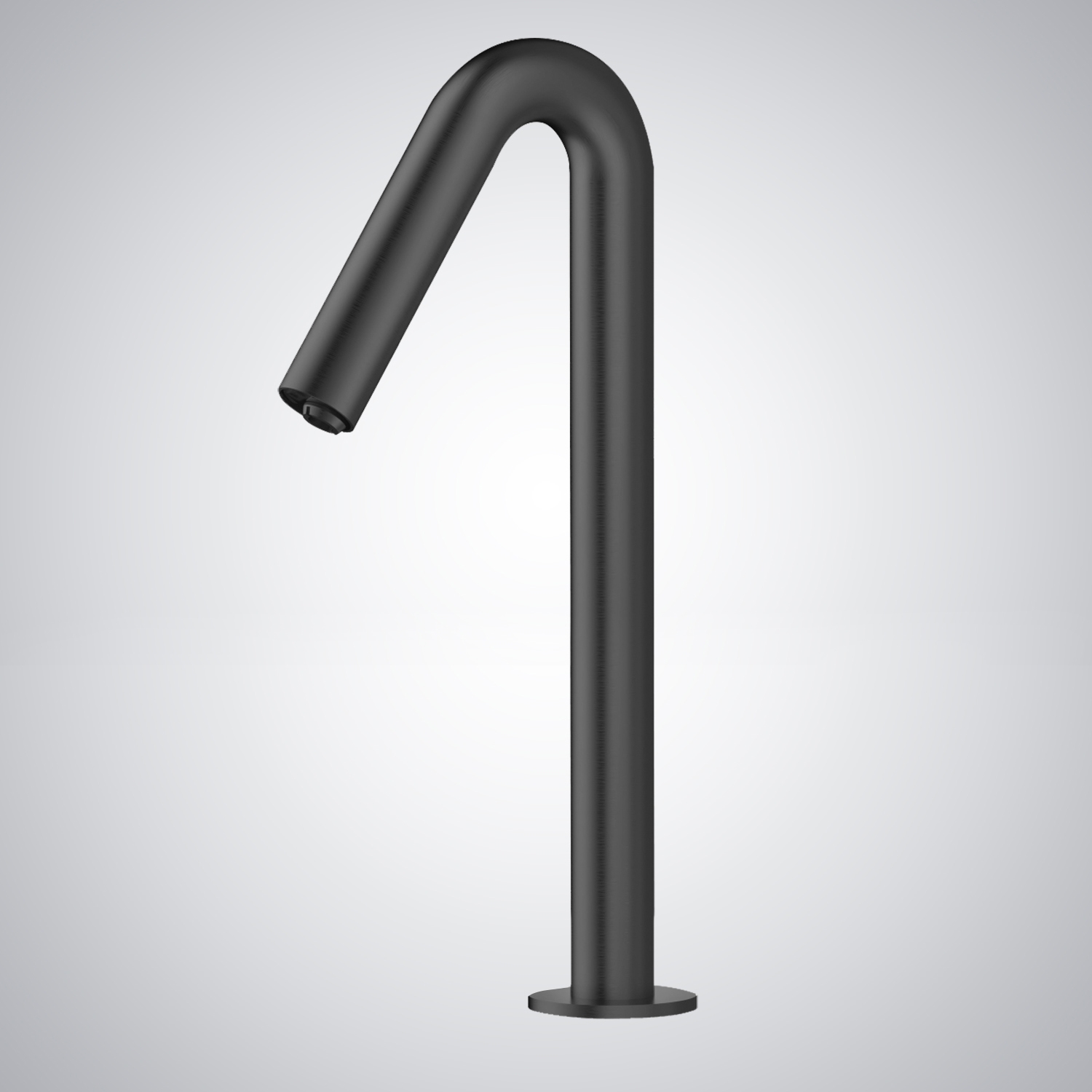
Fontana Inkwell Arc Matte Black Touchless Sink Faucet
View Verified Product →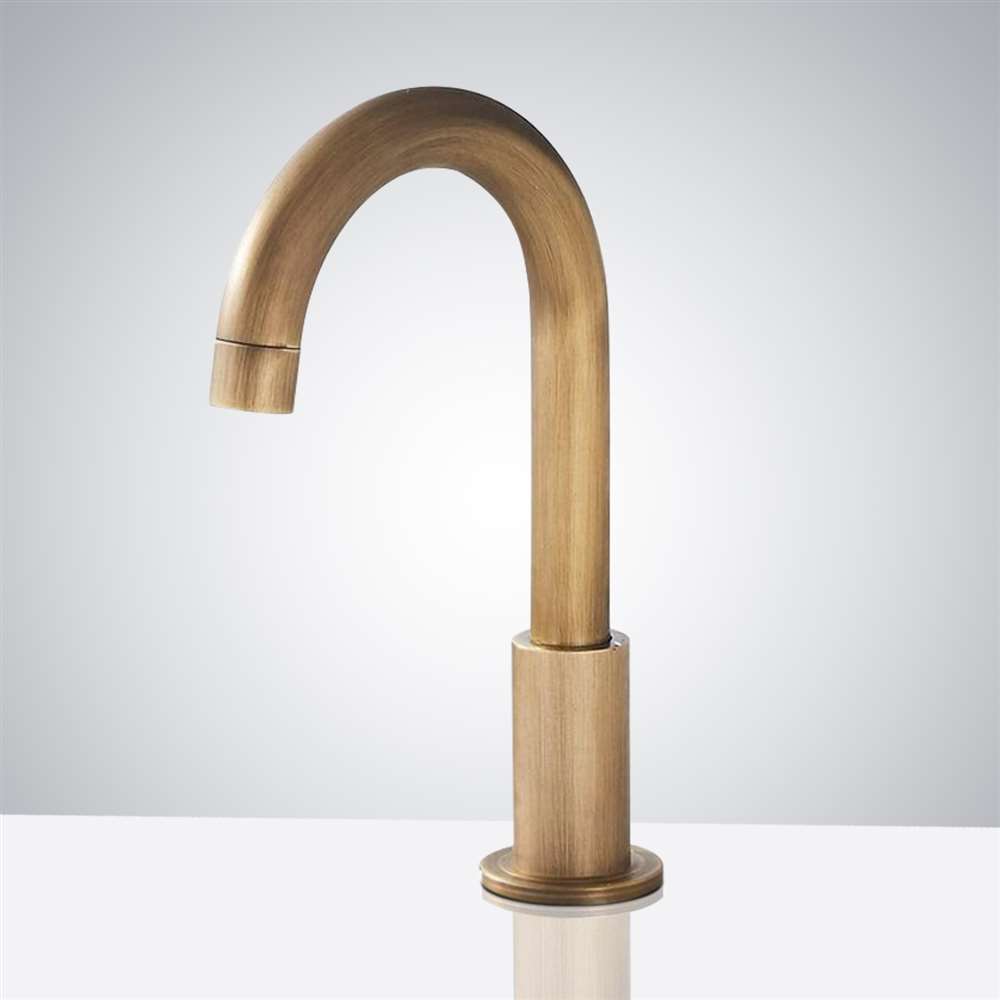
Fontana Antique Brass Commercial Touchless Infrared Faucet
View Verified Product →Stainless Steel vs. Brass in Commercial Touchless Faucets
Material selection should consider both the exposed faucet body and the internal water-control components. A finish description alone does not necessarily identify the structural material beneath it.
Stainless Steel
The selected stainless-steel reviews emphasize corrosion resistance, rigidity, tolerance of high-moisture environments and durability under frequent sanitation. These characteristics are particularly relevant for transportation, healthcare, laboratory and public-facility projects.
Brass
The brass-focused reviews emphasize structural durability, resistance to component wear, reliable valve operation and suitability for long-term commercial deployment. Brass bodies may also receive chrome, brushed nickel, matte-black, gunmetal or decorative metallic finishes.
Stainless Steel & Brass Touchless Faucet Evidence Matrix
This matrix separates material evidence from finish appearance and organizes the reviews around factors that matter during specification and facility operation.
| Model | Material Signal | Professional Context | Use Environment | Sensor Evidence | Durability / O&M Evidence | Specifier Relevance |
|---|---|---|---|---|---|---|
| FS1851-SF | Stainless steel body | MEP consultant | Transportation hub | Accurate infrared activation | Corrosion resistance in high-moisture use | Transit and high-traffic commercial projects |
| FSAD01 | 304 stainless-steel product construction | MEP consulting | Commercial smart restroom | Stable performance under mixed lighting | Commercial cleaning exposure considered | Automated institutional washrooms |
| FS9088GMG | Solid brass | MEP engineer | Airport / healthcare relevance | Responsive infrared operation | Long-term high-use deployment | Infrastructure and institutional specification |
| FS10222 | Solid brass with brushed-nickel finish | Architect | Public infrastructure | Sensor-driven hands-free operation | Finish durability noted | AEC-driven public restroom projects |
| FS-33CM-MB | Brass construction evidence | Engineer | High-traffic commercial restroom | Reliable infrared activation | Low maintenance reported | Design-sensitive commercial facilities |
| FB085A | Brass component construction | HVAC technician | Technical performance testing | Stable activation under pressure variation | Wear-resistance observation | Mechanical performance evaluation |
Key Specification Signals From the Reviews
Professional E-E-A-T Review Framework
Review Selection Methodology
Six reviews were selected from the FontanaShowers review archive for their relevance to stainless-steel and brass touchless faucet specification. Selection favored reviews that specifically addressed structural materials, corrosion or wear resistance, sensor accuracy, commercial cleaning exposure, high-frequency operation, maintenance or professional project use. Star ratings alone were not used as the selection criterion. Product destinations were matched to corresponding FontanaShowers product pages.
