
How Airport Faucets Contribute to Passenger Health and Safety
Airport restroom faucets play a larger role in passenger health and safety than many facility teams realize. In high-traffic terminals, the sink area is where hygiene behavior, water control, accessibility, slip-risk reduction, and maintenance response all meet. Touchless airport faucets help passengers wash with fewer shared contact points while giving operators a more controlled and reliable restroom system.
In This Guide
Why airport faucet safety matters Health and safety data points Safety-focused faucet features Manual vs. touchless safety table Airport restroom case model Specification checklist FAQs Reference sources
Why Faucet Safety Matters
Airport restrooms serve passengers from many regions, age groups, and mobility profiles. During peak travel windows, a faucet bank may see continuous use for hours. If the faucet is difficult to operate, visibly dirty, slow to activate, leaking, or spraying onto the counter, the restroom becomes less hygienic and less safe.
Modern touchless faucets contribute to passenger health and safety by reducing handle contact, supporting handwashing completion, limiting unnecessary water flow, and helping sink decks remain drier. These benefits matter in airports because restrooms are public, time-sensitive, and often used by travelers carrying bags or moving quickly to a gate.
Reduced Contact
Touchless activation removes faucet handles from the handwashing sequence.
Drier Surfaces
Controlled flow and automatic shutoff help reduce standing water around sinks.
Accessible Use
Sensor activation supports children, elderly passengers, and travelers with limited dexterity.
Passenger Confidence
Clean, touchless sink zones signal that the airport is managing hygiene seriously.

Health and Safety Data Points
The CDC emphasizes that clean hands can help stop germs from spreading, making handwashing one of the most practical public-health behaviors in shared facilities. EPA WaterSense also notes that efficient bathroom sink faucets and accessories can reduce water use without sacrificing performance. For airports, the health and safety value comes from combining hygiene behavior with fixture reliability and water control.
Airport-specific restroom planning should track faucet uptime, weak-flow complaints, sensor response, visible splash, drain performance, soap availability, floor wetness, and passenger feedback. A faucet can be technically functional but still create risk if it splashes, leaks, activates inconsistently, or forces passengers to touch shared controls.

Safety-Focused Faucet Features
The safest airport faucet installations are not simply touchless; they are predictable, accessible, water-efficient, durable, and easy to maintain. The faucet should be coordinated with the basin shape, counter material, soap location, drainage, and drying system.
| Feature | Health / Safety Role | Airport Benefit |
|---|---|---|
| Touchless sensor activation | Reduces shared handle contact | Improves hygiene confidence in public restrooms |
| Automatic shutoff | Stops water after use | Reduces wet counters and unnecessary run time |
| Low-flow aerator | Controls water delivery | Limits splash while supporting water efficiency |
| Adjustable sensor range | Supports different users and sink depths | Reduces false activation and missed activation |
| Thermostatic mixing protection | Helps control water temperature | Supports scald-risk reduction in public facilities |
| Durable finish | Withstands frequent cleaning | Maintains visible cleanliness and fixture integrity |
| Serviceable filters and solenoids | Keeps flow reliable | Reduces out-of-service sinks and emergency repairs |
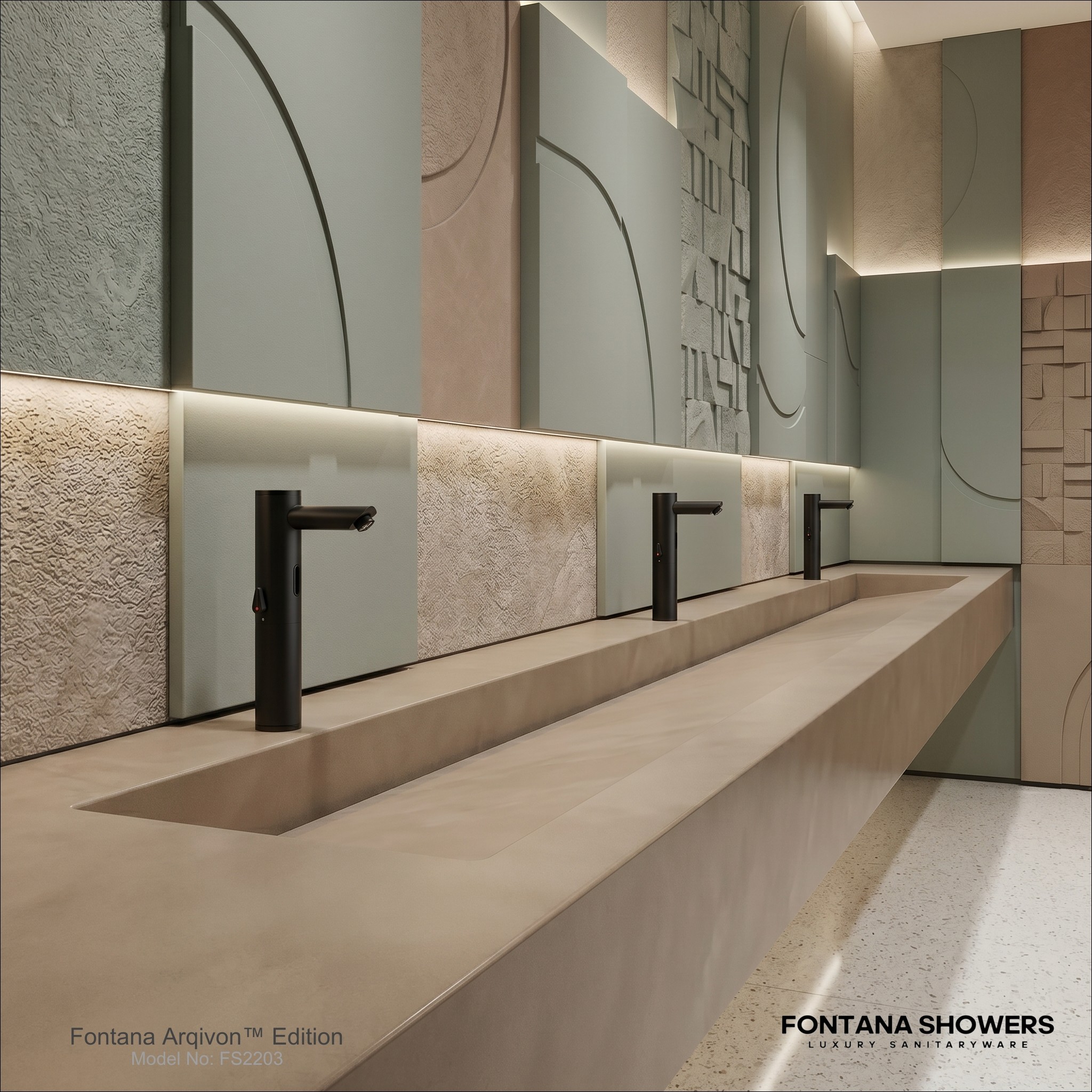
Manual vs. Touchless Safety Table
| Safety Factor | Manual Faucet Risk | Touchless Faucet Advantage | Facility Action |
|---|---|---|---|
| Shared contact | Passengers touch handles before and after washing | Hands-free activation and shutoff | Use touchless fixtures in high-traffic passenger restrooms |
| Water left running | Depends on user behavior | Automatic shutoff | Set run time and test shutoff during inspections |
| Splash / wet counters | Flow may be manually over-opened | Controlled flow rate | Match faucet flow to basin geometry |
| Accessibility | Handle type may require grip or twisting | Sensor can reduce hand strength requirements | Verify ADA reach, clear floor space, and sensor range |
| Maintenance response | Leaking handles and worn cartridges | Sensor, solenoid, aerator, and power checks | Keep preventive maintenance logs and spare parts |
Case Model: Gate-Area Restroom
Consider a restroom located near a cluster of departure gates. During peak boarding windows, many passengers use the sinks at once. If faucets activate slowly or splash heavily, passengers may skip washing or leave the sink area wet. A touchless faucet upgrade can address hygiene and safety together.
Manual handles, inconsistent shutoff, and wet sink decks create hygiene and slip-risk concerns.
Install touchless faucets with low-flow aerators, automatic shutoff, and reliable sensor calibration.
Clean sensor lenses, inspect aerators, test shutoff, and verify flow alignment with basins.
Track service calls, wet-floor incidents, water use, passenger feedback, and fixture downtime.
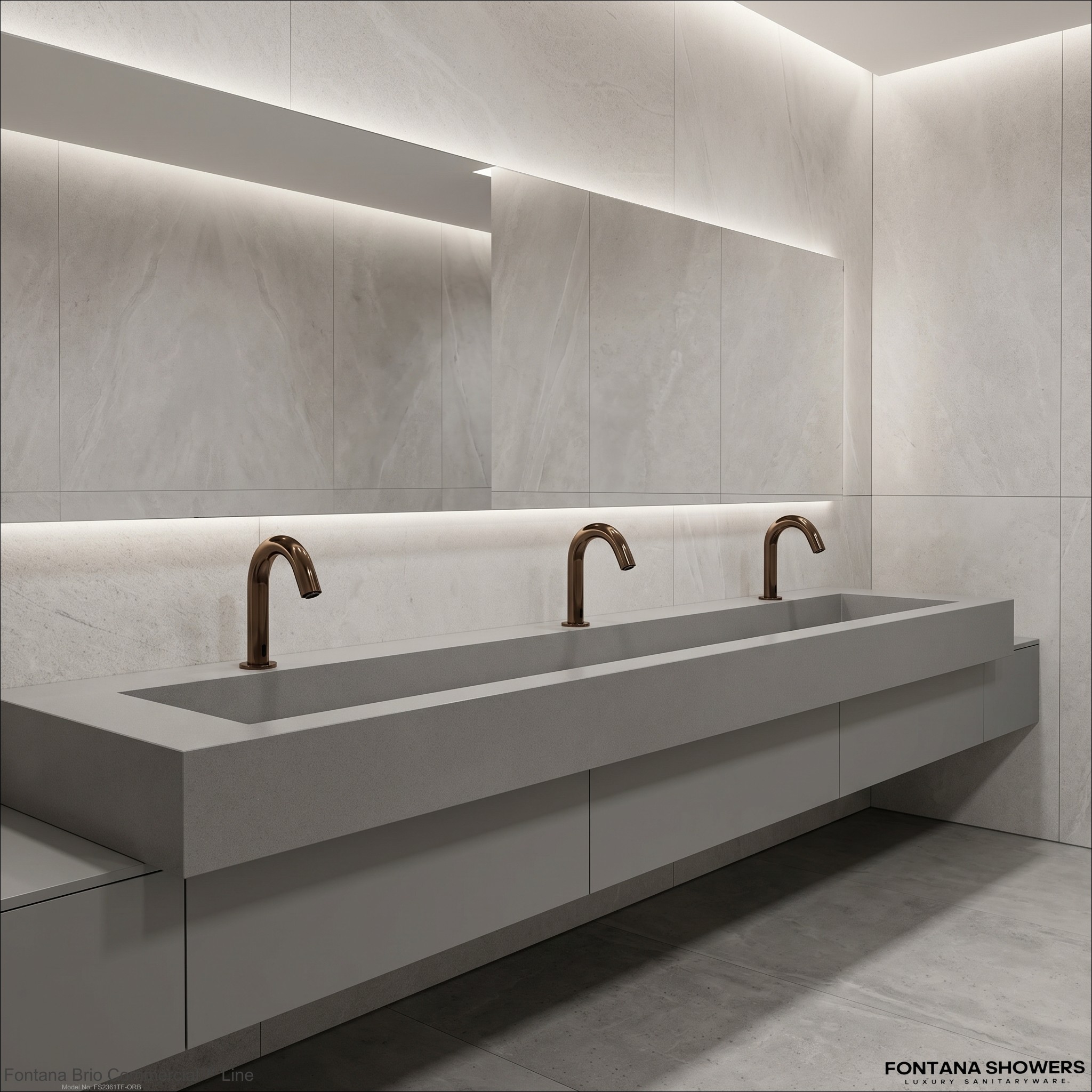
Specification Checklist
Use this checklist when specifying airport faucets for passenger health and safety.
| Checklist Item | What to Verify | Why It Matters |
|---|---|---|
| Sensor reliability | Fast activation, stable detection range, low false triggers | Prevents user frustration and missed handwashing |
| Flow control | Low-flow aerator, basin compatibility, splash control | Reduces wet counters and water waste |
| Power plan | Hardwired power, battery backup, service access | Protects uptime during peak travel periods |
| Temperature safety | Mixing valve and scald-protection strategy | Supports safe public handwashing |
| Accessibility | Reach range, sink height, clear floor space, usability | Supports passengers with diverse mobility needs |
| Maintenance | Spare aerators, filters, solenoids, batteries, and O&M manual | Reduces downtime and emergency repairs |
FAQs
How do airport faucets support passenger health?
They support handwashing, reduce contact with shared handles when touchless, and help keep sink areas cleaner when properly maintained.
How do airport faucets support passenger safety?
Controlled flow, automatic shutoff, proper basin alignment, and leak prevention help reduce wet counters, standing water, and restroom service disruptions.
Are touchless faucets safer than manual faucets?
In high-traffic passenger restrooms, touchless faucets are generally safer from a hygiene perspective because they reduce shared contact and automatically stop water.
Do touchless faucets reduce the need for cleaning?
No. They support hygiene but do not replace cleaning. Airports still need frequent cleaning, soap supply checks, drying systems, and preventive maintenance.
What maintenance protects faucet safety?
Clean sensors, inspect aerators, check shutoff timing, verify flow alignment, replace worn parts, and respond quickly to leaks or weak flow.
Can faucet design reduce slips?
Indirectly, yes. Controlled flow and reliable shutoff help reduce water accumulation around the sink area, especially when paired with proper drainage and cleaning.
Are smart faucets ADA-friendly?
They can be, but the full lavatory area must meet accessibility requirements including clear floor space, reach range, sink height, and sensor usability.
Where should airports install touchless faucets first?
Prioritize high-traffic passenger restrooms near gates, arrivals, baggage claim, food courts, lounges, and security exit areas.
Conclusion
Airport faucets contribute to passenger health and safety by supporting effective handwashing, reducing shared contact points, controlling water flow, improving accessibility, and helping maintenance teams keep restroom fixtures reliable. In modern airport facilities, faucet specification is not a small design detail; it is a health, safety, and passenger-experience decision.
For the strongest results, airports should specify commercial-grade touchless faucets with low-flow aerators, automatic shutoff, accessible sink layouts, durable finishes, and a clear maintenance plan. When the faucet, soap, drying, drainage, and cleaning systems work together, the restroom becomes safer, cleaner, and more confidence-building for passengers.
Reference Sources
Use these authority and product-reference sources for additional review. Each link opens in a new tab.
