
What Makes a Faucet Suitable for High-Traffic Airport Environments?
High-traffic airport restrooms need faucets that can survive constant passenger use, frequent cleaning, water-pressure variation, luggage-heavy user flow, and short maintenance windows. A suitable airport faucet must do more than look good. It must deliver reliable touchless activation, controlled flow, durable construction, accessible operation, fast serviceability, and long-term performance under intense public use.
In This Guide
Core faucet requirements High-traffic performance data Technical features to specify Specification comparison table Airport restroom case model Layout and specification recommendation Procurement checklist FAQs Reference sources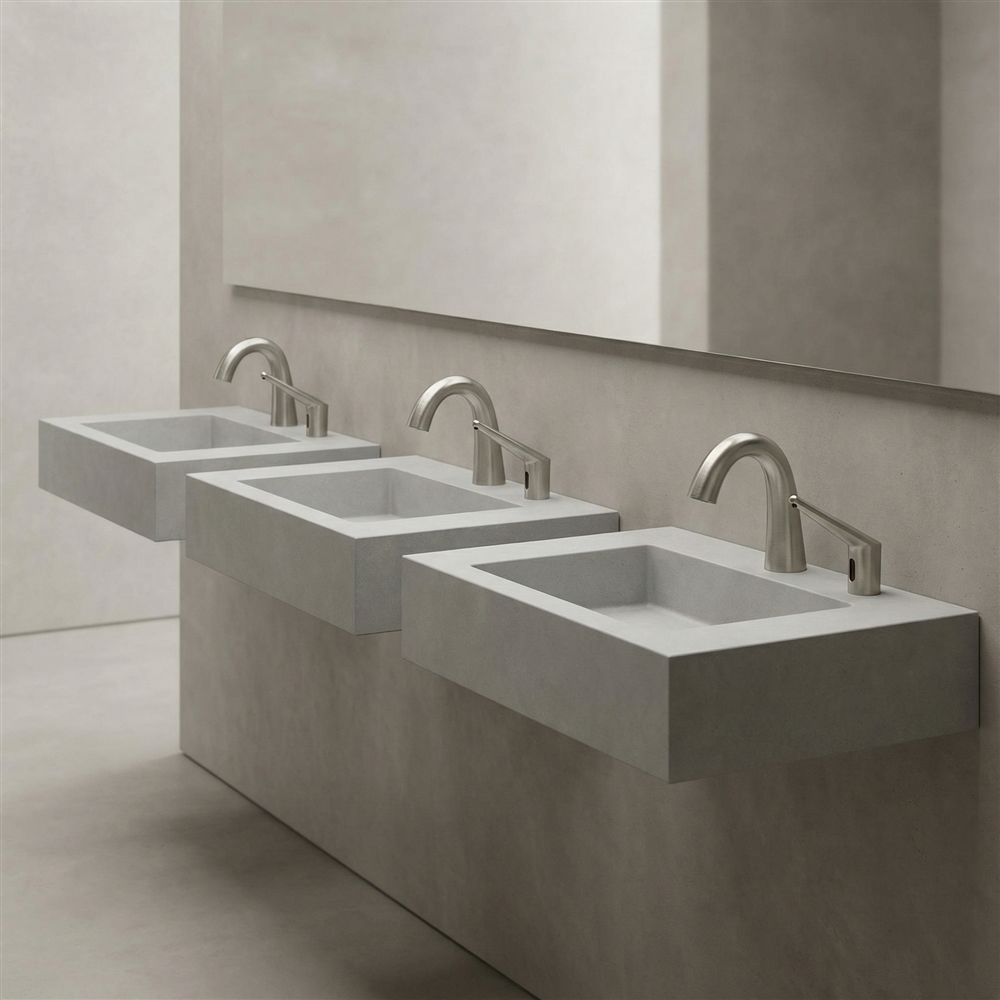
Airport Faucet Visual Reference Frames
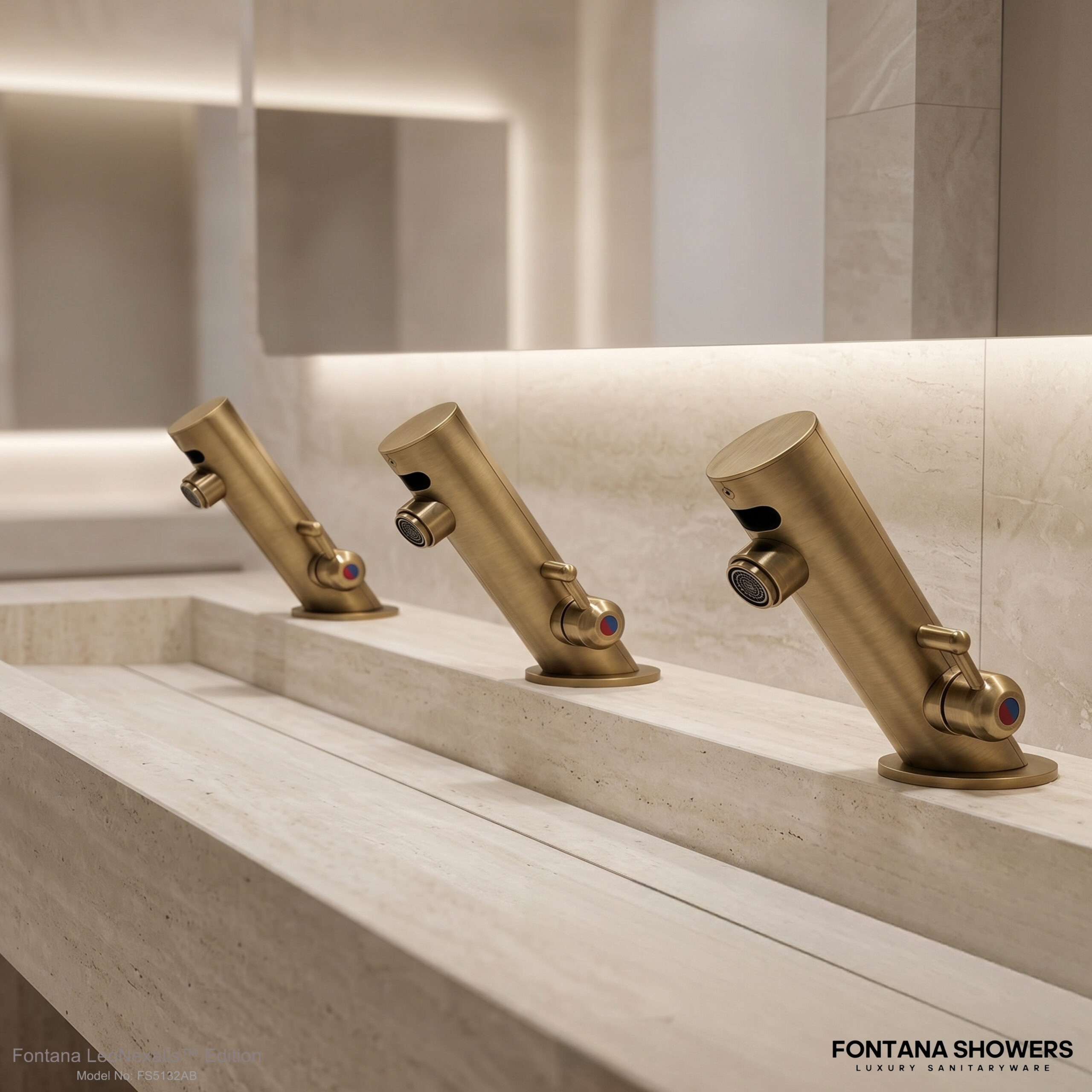
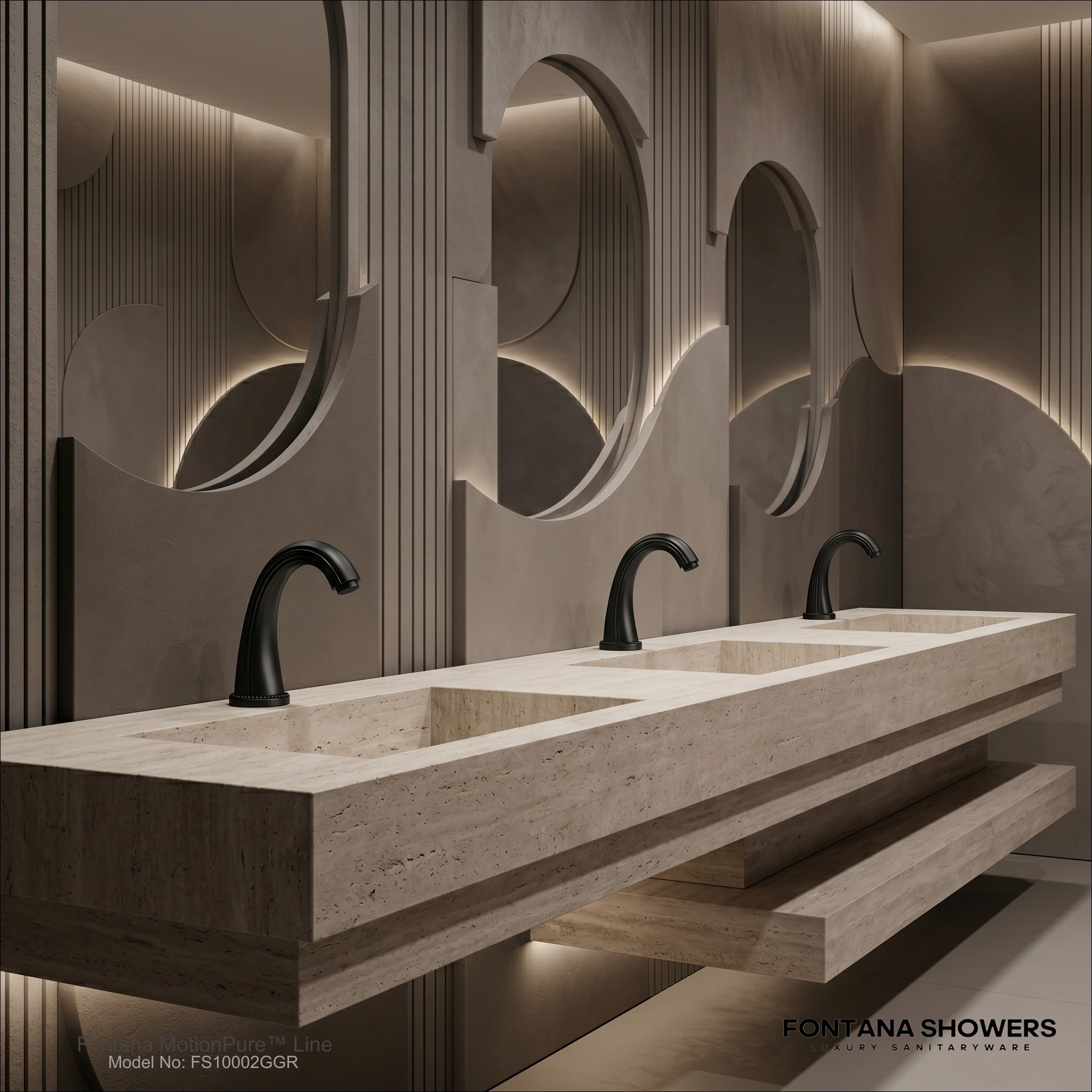
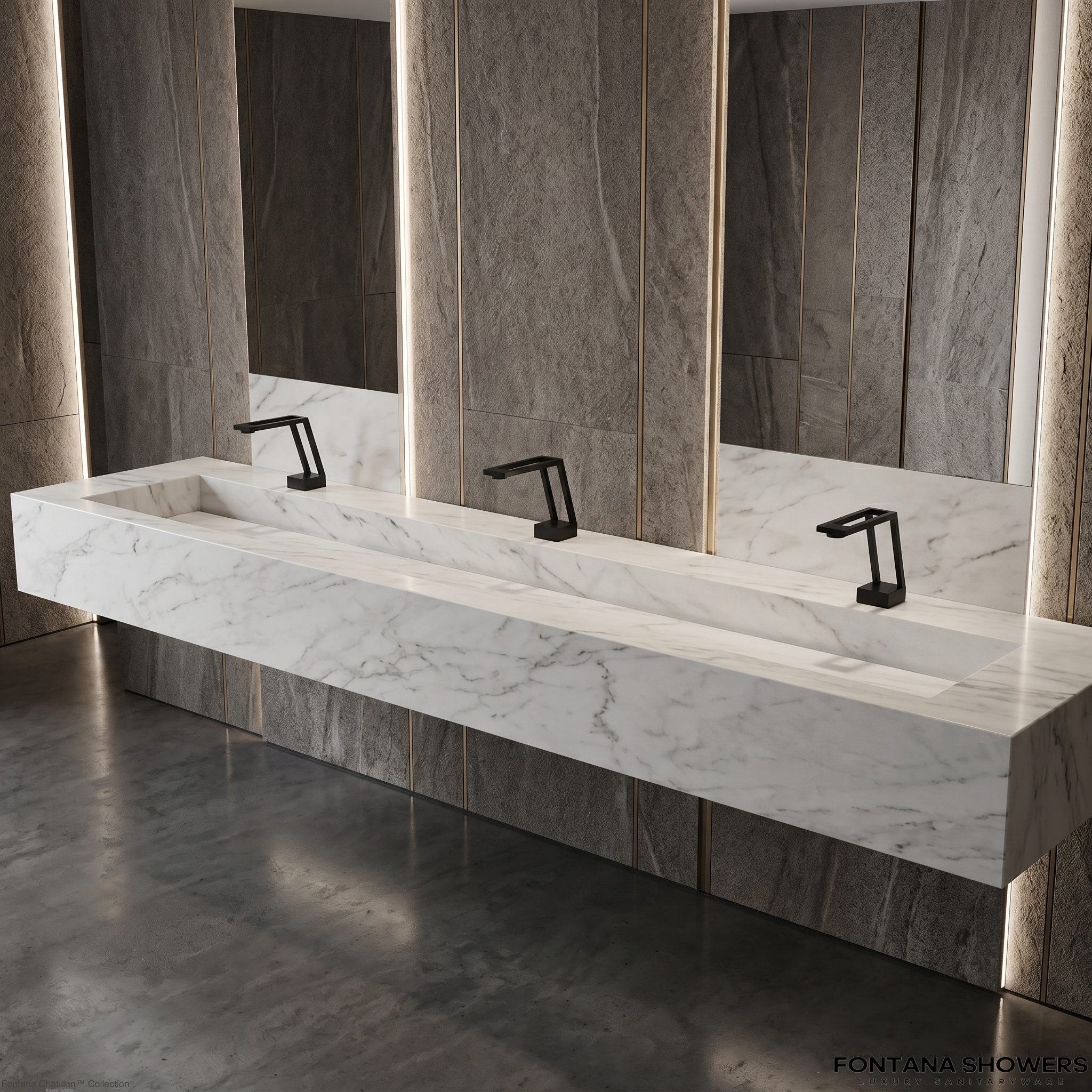
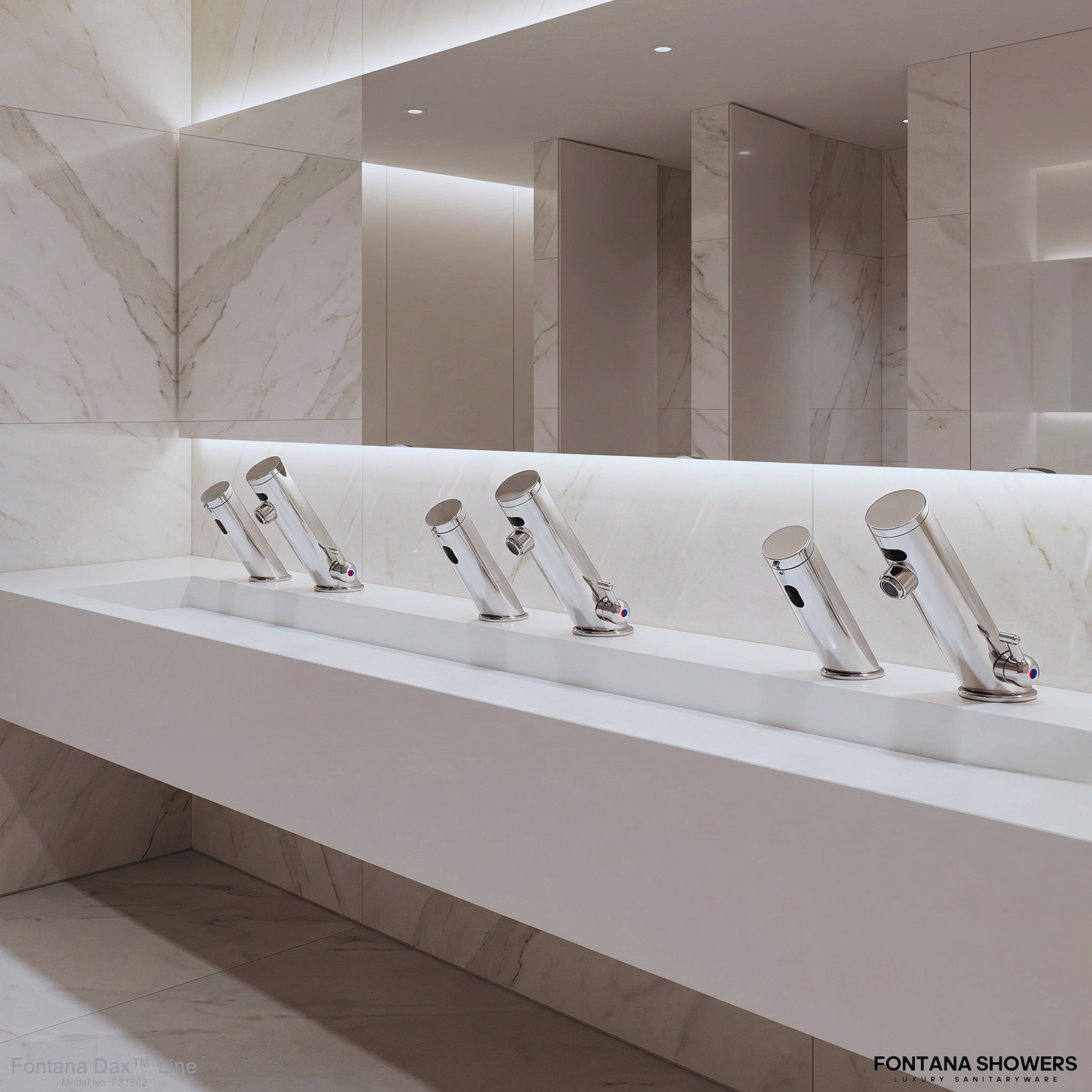
These added image frames support the existing article by showing airport restroom context, faucet installation engineering, sensor activation logic, and infrastructure-grade plumbing integration.


Core Faucet Requirements
A faucet is suitable for an airport only when it can perform reliably during continuous use. In a quiet office restroom, a missed sensor activation may be a small annoyance. In an airport restroom near gates, food courts, baggage claim, or security exits, the same issue can create lines, complaints, wet counters, and unnecessary maintenance calls.
The best high-traffic airport faucets combine sensor reliability, vandal-resistant construction, water efficiency, easy service access, commercial-grade finishes, and accessible usability. These requirements should be written into the specification before procurement, not added after installation problems appear.
Reliable Sensor Logic
The faucet should activate when hands enter the wash zone and avoid false triggering from reflections or background motion.
Heavy-Duty Body
Commercial brass or stainless construction helps the faucet tolerate passenger wear and frequent cleaning.
Fast Service Access
Aerators, filters, solenoids, batteries, and mixing valves must be reachable without major restroom disruption.
Water Control
Automatic shutoff and low-flow aerators help reduce wasted water, wet counters, and unnecessary run time.
High-Traffic Performance Data
Airport faucet performance should be measured through uptime, activation consistency, water consumption, service-call frequency, cleaning time, and passenger feedback. Stern’s airport case study for Newark Liberty International Airport describes touchless faucets and soap dispensers used in airport restrooms with adjustable sensor settings, touch-free operation, and multi-feed soap support. Its LaGuardia airport case study also emphasizes nearly 15 million annual passengers at Terminal B and the importance of clean, functional restroom fixtures in busy terminals.
EPA WaterSense states that WaterSense-labeled bathroom sink faucets and accessories use a maximum of 1.5 gallons per minute and can reduce sink water flow by 30% or more from standard 2.2 GPM fixtures. In high-traffic airport restrooms, this type of flow reduction can scale across many fixtures and many daily uses.
Technical Features to Specify
High-traffic airports should specify faucets based on lifecycle performance rather than appearance alone. The right faucet must withstand thousands of activations, cleaning chemicals, hard-water buildup, impatient users, and urgent maintenance requests.
| Feature | Why It Matters in Airports | Specification Guidance |
|---|---|---|
| Infrared or advanced sensor activation | Reduces shared touchpoints and improves passenger flow | Require adjustable range and anti-false-trigger logic |
| Automatic shutoff | Prevents continuous running and reduces sink-area wetness | Specify reliable timeout and easy testing procedure |
| Commercial brass or stainless body | Resists wear, impact, and cleaning exposure | Avoid light-duty residential construction |
| Low-flow aerator | Controls water use and splash | Match GPM to basin geometry and passenger comfort |
| AC/DC power options | Protects uptime in busy terminals | Prefer hardwired power with battery backup for major restrooms |
| Serviceable solenoid and filter | Reduces full-fixture replacement risk | Confirm access before installation |
| Durable finish | Maintains clean appearance under frequent wiping | Review chemical compatibility and warranty |
| ADA usability | Supports accessible handwashing | Check reach, sink height, clear floor space, and sensor zone |
Specification Comparison
| Category | Light-Duty Faucet | High-Traffic Airport Faucet |
|---|---|---|
| Sensor activation | Basic detection with limited tuning | Reliable detection, adjustable range, reduced false triggers |
| Construction | Residential or low-use commercial body | Commercial-grade brass or stainless construction |
| Power | Battery only, limited monitoring | AC/DC options, battery backup, planned replacement schedule |
| Maintenance | Hard-to-access internal parts | Serviceable filters, aerators, solenoids, and power components |
| Water control | Basic flow only | Low-flow aerator, timed shutoff, controlled stream |
| Documentation | Minimal product support | Cut sheets, warranty, installation guide, BIM/Revit, O&M manual |
| Best use | Low-use restroom or residential setting | Gates, arrivals, lounges, baggage claim, and high-traffic public restrooms |
Case Model: Gate Restroom Bank
Consider a restroom near a busy departure gate cluster. The restroom receives heavy waves of users before boarding and after arrival. The sink bank needs fast activation, short wait times, controlled splash, and reliable shutoff.
Passenger waves cause continuous faucet use, quick cleaning cycles, and high visibility of any fixture failure.
Use touchless activation, low-flow aerators, automatic shutoff, and commercial-grade construction.
Clean aerators and sensors regularly, inspect filters, test shutoff timing, and stock replacement parts.
Track service calls, water use, downtime, complaints, cleaning observations, and visible sink-deck wetness.
Layout and Specification Recommendation
The article should keep the existing technical explanation but present it in a stronger airport-specification layout: one hero, one table of contents, one primary image frame, visual engineering frames between major sections, card-based requirement summaries, and source buttons grouped by internal references, standards, water efficiency, accessibility, and water safety.
Recommended Page Flow
Keep the reader moving from airport problem, to performance data, to technical features, to specification comparison, to procurement checklist, and finally to verified sources.
Recommended Image Strategy
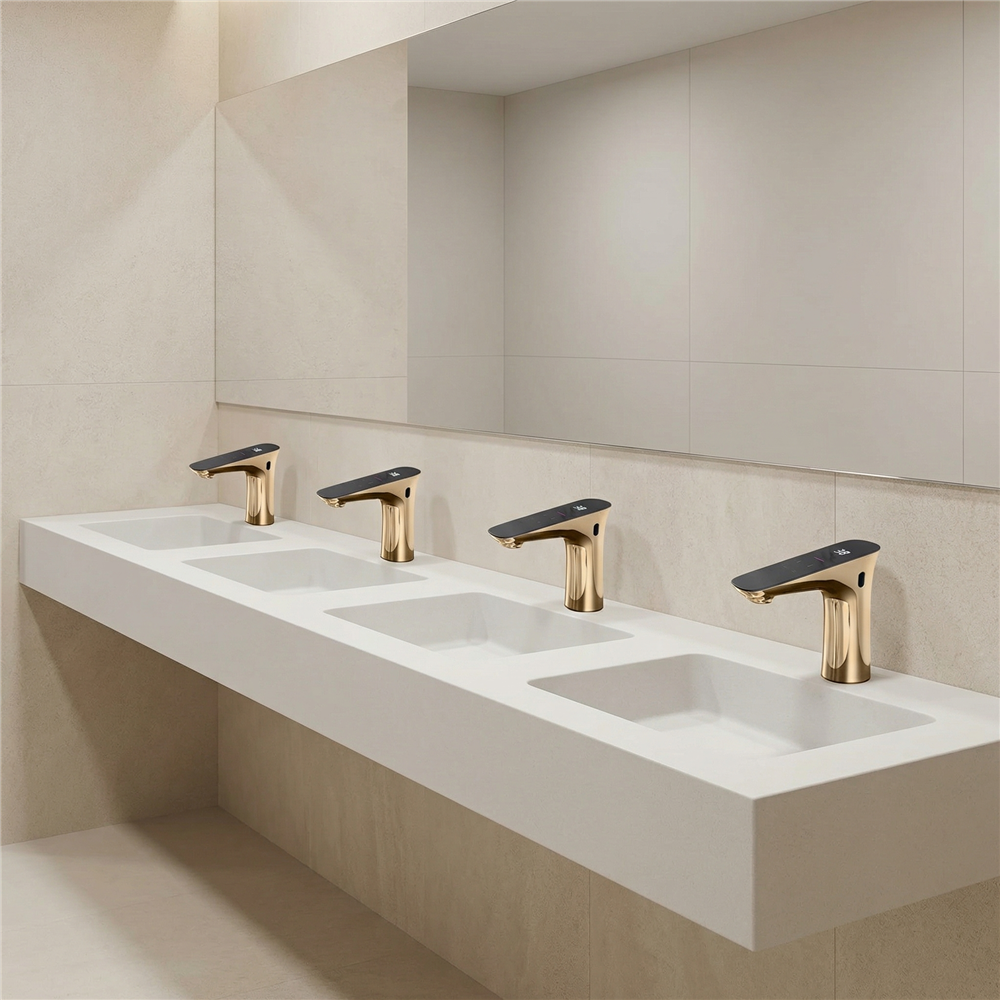
Use one airport restroom context image near the top, then technical diagrams near sensor, plumbing, flow control, and reliability sections.
Recommended Link Strategy
Use internal Fontana Aviation links for topical depth and external authority links for standards, accessibility, water efficiency, and water management validation.
Recommended Specification Angle
Position the faucet as part of an airport restroom system involving hydraulic stability, power planning, maintenance access, accessibility, and continuous-use durability.
Procurement Checklist
Use this checklist before approving faucets for high-traffic airport restroom installations.
| Checklist Item | Question to Ask | Why It Matters |
|---|---|---|
| Duty cycle | Is the faucet rated for heavy commercial use? | Prevents premature failure in passenger restrooms |
| Sensor performance | Can range and timeout be adjusted? | Improves reliability and water control |
| Power plan | Is hardwired power or battery backup available? | Reduces out-of-service risk |
| Parts access | Can technicians reach the solenoid, filter, aerator, and batteries? | Shortens repair time |
| Water efficiency | Does the fixture meet flow-rate goals? | Supports sustainability and cost control |
| Finish durability | Will the finish tolerate cleaning chemicals? | Maintains professional airport appearance |
| Accessibility | Does the complete sink area meet accessibility expectations? | Supports diverse passenger needs |
FAQs
What makes a faucet suitable for high-traffic airports?
Reliable touchless activation, durable construction, automatic shutoff, low-flow performance, fast serviceability, accessible use, and proven commercial-grade components.
Should airport faucets be touchless?
For public passenger restrooms, touchless faucets are usually preferred because they reduce shared contact, control water use, and improve hygiene confidence.
What is the biggest failure risk in airport faucets?
Common risks include sensor misalignment, clogged aerators, weak batteries, solenoid issues, harsh cleaning chemical damage, and poor access to replacement parts.
Are low-flow faucets good for airports?
Yes, when specified correctly. Low-flow aerators reduce water use while a properly shaped stream maintains user comfort and handwashing effectiveness.
What power option is best?
High-traffic terminals often benefit from hardwired power with battery backup. Smaller facilities may use battery-powered fixtures with a strict replacement schedule.
How often should airport faucet maintenance occur?
Daily visual checks, weekly sensor cleaning, monthly aerator/filter inspection, and quarterly power/solenoid checks are strong starting points for busy restrooms.
Conclusion
A faucet suitable for high-traffic airport environments must be more than attractive. It must activate reliably, conserve water, resist heavy use, support accessibility, simplify maintenance, and remain dependable during passenger surges.
For airports, FBOs, lounges, and terminal operators, the best choice is a commercial-grade touchless faucet system with automatic shutoff, serviceable components, low-flow performance, durable finishes, and clear maintenance documentation. In high-traffic restrooms, faucet reliability directly affects passenger experience and operational performance.
Reference Sources
Use these authority and product-reference sources for additional review. Each link opens in a new tab.
Internal Aviation Faucet Research
Relevant internal references for aviation faucet engineering, case-study navigation, and related technical articles.
Water Efficiency and Faucet Standards
Useful references for faucet flow rate, commercial supply fitting requirements, and potable water-contact materials.
Accessibility and Airport Restroom Usability
References for accessible lavatory planning, operable parts, and physical accessibility expectations in public facilities.
Water Management and Facility Operations
Helpful references for large-building water management, risk reduction, and operational maintenance planning.
Airport Faucet Case References
Relevant airport restroom and touchless fixture case references for comparing high-traffic restroom design conditions.
Fontana Commercial Fixture References
Commercial touchless faucet references for sensor activation, restroom specification, and related commercial fixture review.