
Why Major Airports Are Switching to Commercial Sensor Faucets in 2026
Infrastructure-focused guidance for airport teams evaluating sensor faucets by uptime, water efficiency, serviceability, and high-cycle performance.
Airport restrooms are becoming high-tech infrastructure systems. In 2026, commercial sensor faucets are no longer considered luxury upgrades — they are operational necessities for hygiene, water management, and maintenance efficiency.
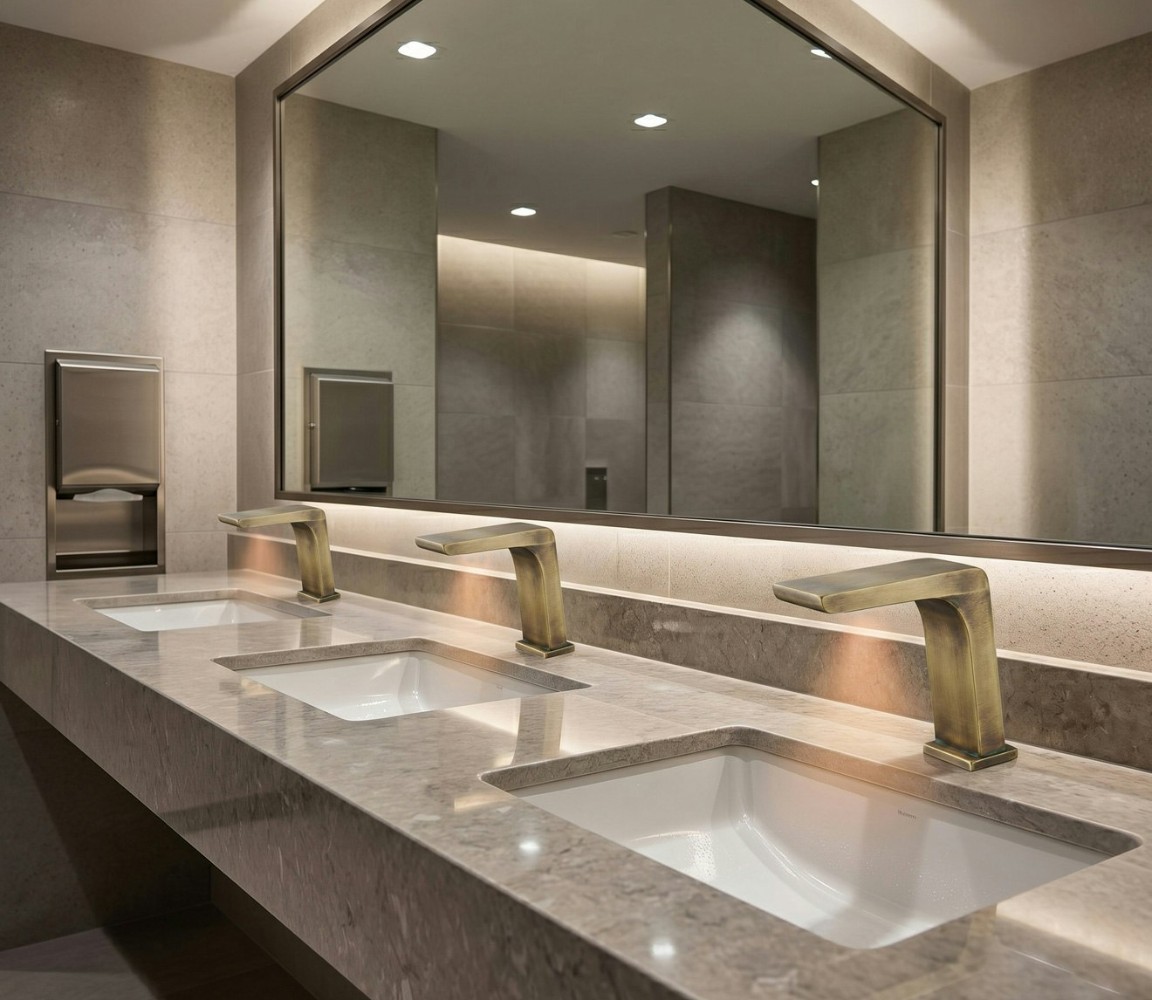
The Shift Happening Across Global Airports
Airport facility teams can use these performance criteria to evaluate sensor faucets for durability, water efficiency, maintenance demands, and reliability.
Major international airports are processing millions of passengers every month. With that traffic comes intense pressure on restroom infrastructure. Traditional manual faucets are increasingly viewed as outdated because they create hygiene risks, consume more water, and require higher maintenance intervention.
As passenger expectations rise after years of public hygiene awareness campaigns, airport operators are prioritizing touch-free technology. Commercial sensor faucets have become a central part of modern aviation restroom planning because they support:
- Reduced touchpoint contamination
- Lower water consumption
- Faster restroom turnover
- Improved accessibility compliance
- Reduced janitorial workload
- Lower lifecycle maintenance costs
In 2026, airports are no longer evaluating whether they should switch to sensor faucets — they are evaluating which commercial-grade systems can survive continuous high-frequency usage.
Airport Restrooms Operate Under Extreme Conditions
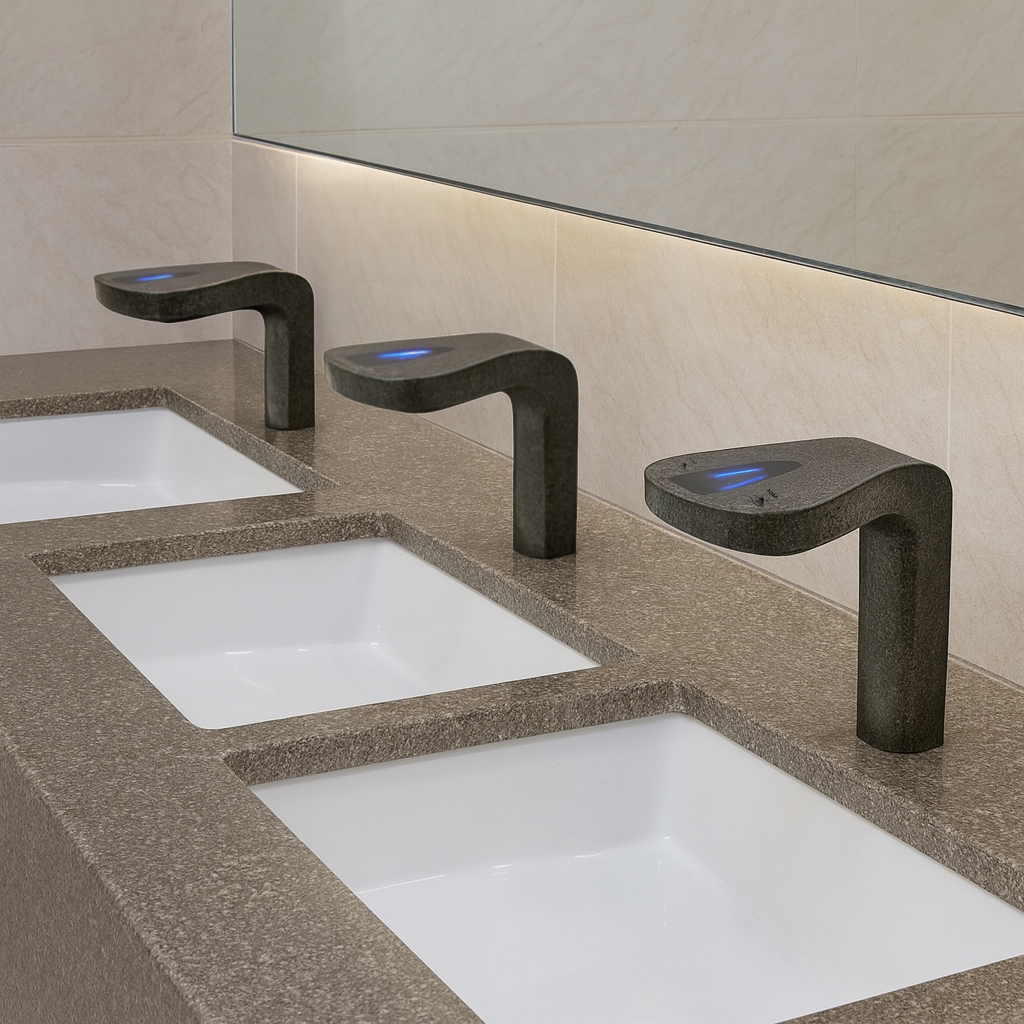
A typical commercial airport restroom experiences significantly higher faucet activation cycles than office buildings or retail spaces. In major aviation hubs, faucets may activate thousands of times every day.
This changes the engineering requirements completely.
| Environment | Average Daily Faucet Activations | Operational Stress Level |
|---|---|---|
| Corporate Office | 300 – 600 | Moderate |
| Shopping Mall | 1,200 – 2,000 | High |
| International Airport | 3,500 – 8,000+ | Extreme |
Under these conditions, low-end residential touchless faucets fail rapidly due to:
- Weak plastic internal valves
- Short battery life
- Poor infrared calibration
- Sensor moisture failures
- Low-grade solenoid assemblies
- Thin brass construction
Airports now prefer commercial sensor faucets specifically engineered for high-cycle environments with vandal resistance, adaptive sensing technology, and long-term serviceability.
Water Conservation Is Becoming a Financial Priority
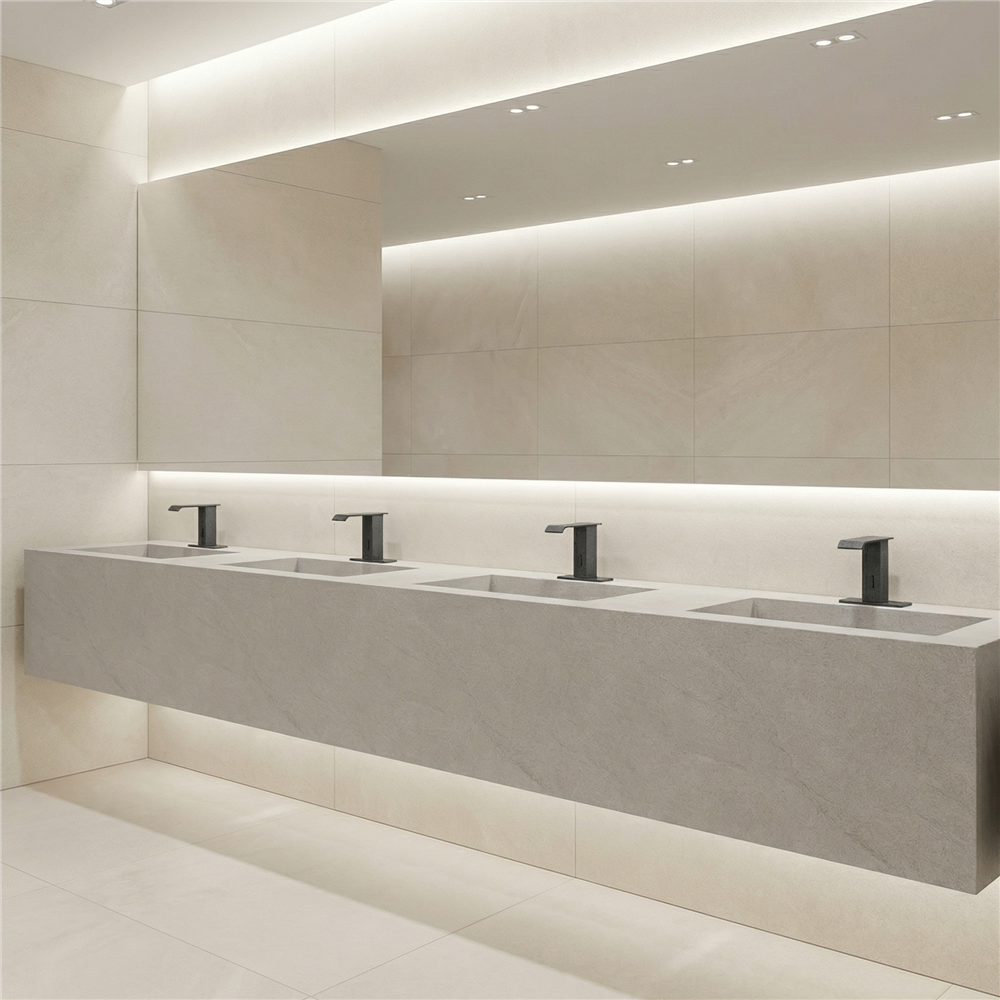
Airports consume enormous amounts of water annually. Restrooms alone account for a major percentage of operational water use. Because of rising utility costs and sustainability regulations, aviation facilities are aggressively reducing water waste.
Commercial sensor faucets help airports control water usage through:
- Automatic shutoff timing
- Flow rate regulation
- Precise activation windows
- Reduced accidental faucet run time
- Programmable eco settings
Estimated Water Reduction After Sensor Faucet Installation
According to commercial plumbing studies and facility management reports, airports upgrading to sensor-controlled fixtures commonly reduce sink water waste by 30% to 50% depending on passenger volume and faucet calibration settings.
Passenger Hygiene Expectations Have Permanently Changed
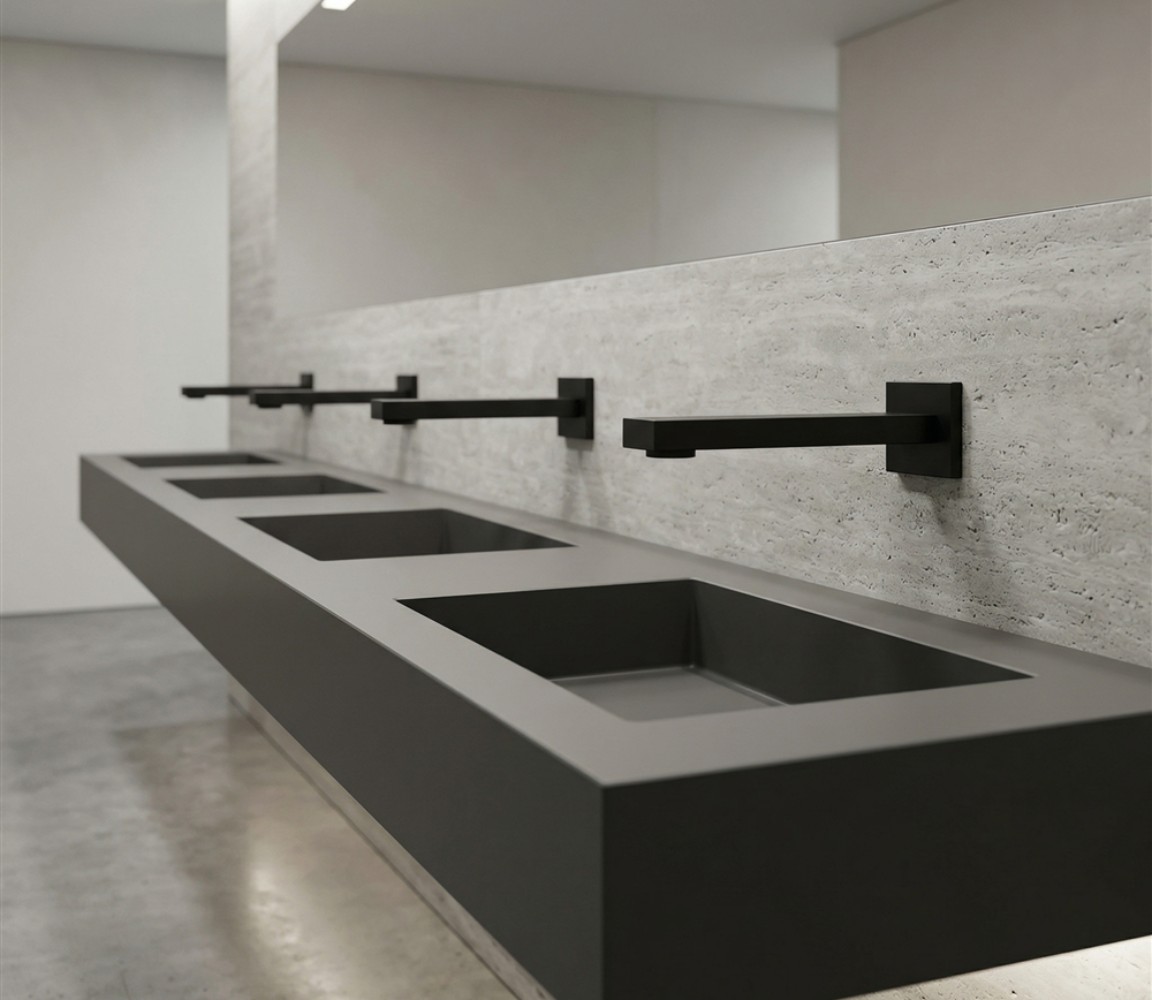
The aviation industry changed dramatically after global public health concerns elevated awareness around high-touch surfaces.
Passengers now expect airport restrooms to provide:
- Touch-free faucet operation
- Touchless soap dispensing
- Automatic flush systems
- Hands-free drying systems
- Cleaner visual restroom environments
Modern travelers increasingly associate touchless technology with cleanliness and operational quality. Airports investing in upgraded restroom infrastructure often see measurable improvements in passenger satisfaction metrics.
This is particularly important for:
- Luxury international terminals
- Business-class passenger lounges
- Premium airport hospitality zones
- High-tourism gateway airports
Maintenance Teams Prefer Predictable Systems
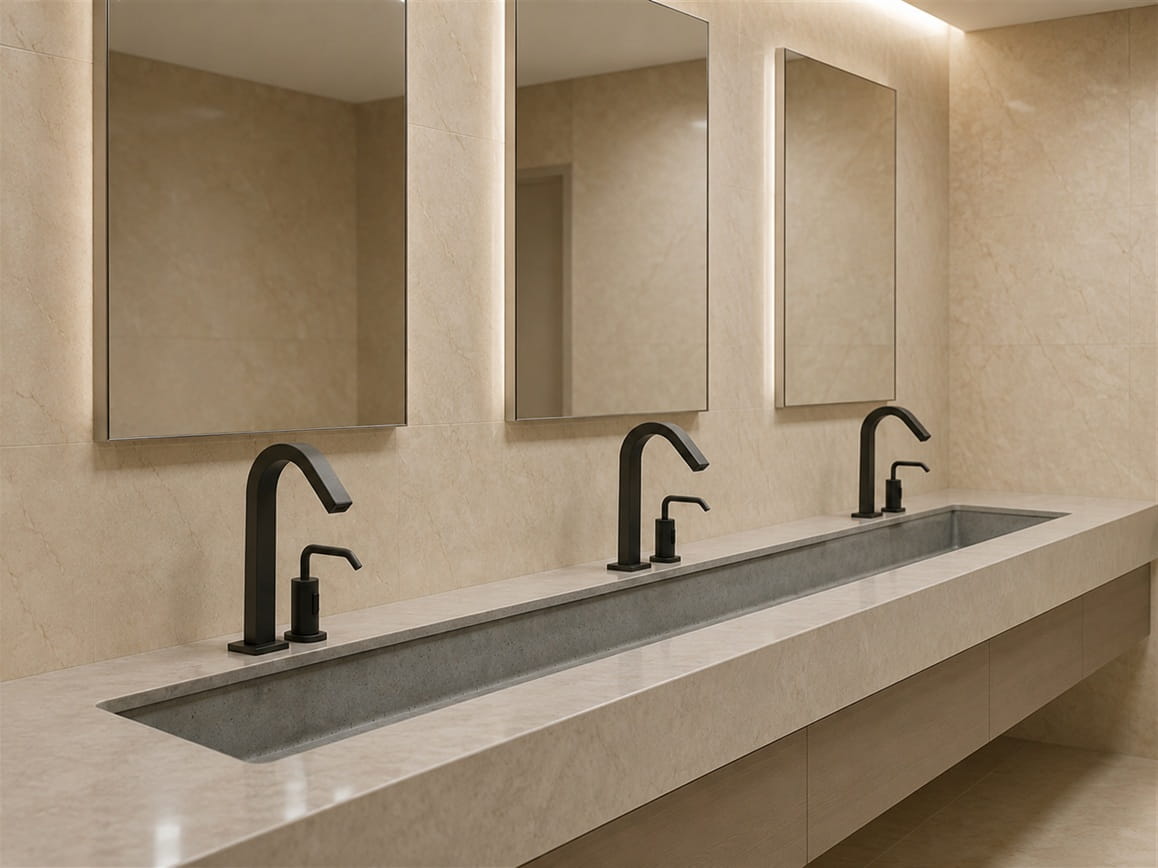
Airport maintenance teams operate under constant pressure. Any plumbing failure inside a busy terminal can immediately create operational disruption, passenger complaints, and sanitation issues.
Modern commercial sensor faucets are designed around maintainability:
- Modular valve cartridges
- Quick-change solenoid systems
- Remote monitoring compatibility
- Battery life diagnostics
- Hardwired power integration
- Anti-vandal mounting assemblies
Many airports now favor hardwired sensor faucet systems over battery-operated units because they reduce maintenance intervention frequency and eliminate battery replacement labor costs.
50%
Potential Water Reduction
24/7
Operational Usage Cycles
5-10 yrs
Commercial Faucet Lifespan
Millions
Annual Passenger Interactions
Commercial Faucet Materials Matter More Than Ever
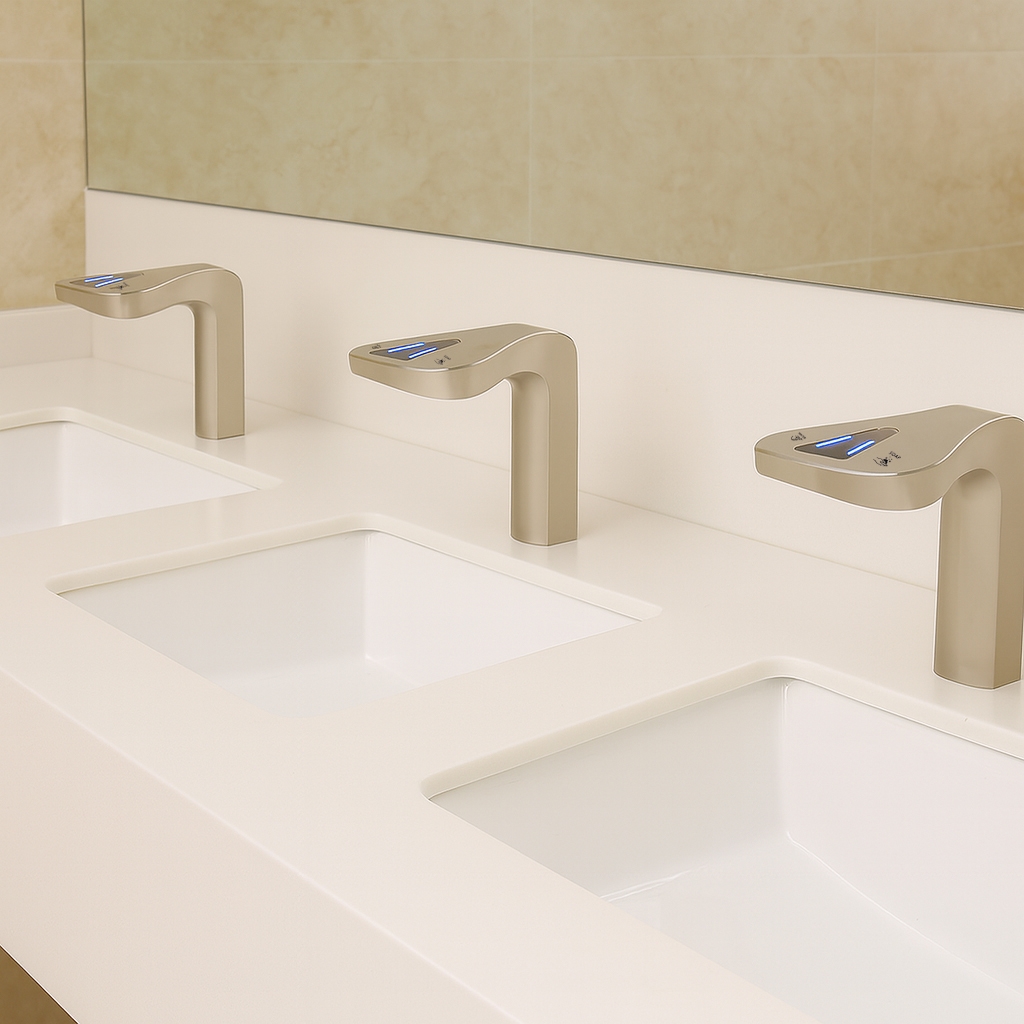
Airports increasingly specify heavy-duty commercial faucet materials instead of lightweight consumer-grade products.
The most trusted systems commonly feature:
- Solid brass faucet bodies
- PVD or chrome commercial finishes
- Commercial-grade infrared sensors
- Low-lead compliance certification
- ADA-compliant activation design
- Laminar anti-splash water delivery
Durability has become one of the strongest purchasing factors because airport renovation cycles are expensive and disruptive.
Many facility engineers now evaluate faucets based on:
- Lifecycle cost per activation cycle
- Replacement part availability
- Sensor reliability data
- Maintenance labor reduction
- Water efficiency certification
Case Study Trends Seen Across Aviation Facilities
Several international airport modernization programs have highlighted restroom infrastructure upgrades as part of broader passenger experience investments.
While exact procurement data varies by airport authority, common upgrade patterns include:
- Replacing manual faucets terminal-wide
- Integrating smart restroom monitoring
- Installing commercial touchless plumbing systems
- Reducing restroom water consumption targets
- Upgrading accessibility compliance standards
Large aviation projects increasingly bundle sensor faucets with:
- Touchless soap dispensers
- Sensor flush valves
- Occupancy analytics systems
- Smart maintenance alerts
- Digital janitorial tracking systems
The Future of Airport Restroom Infrastructure
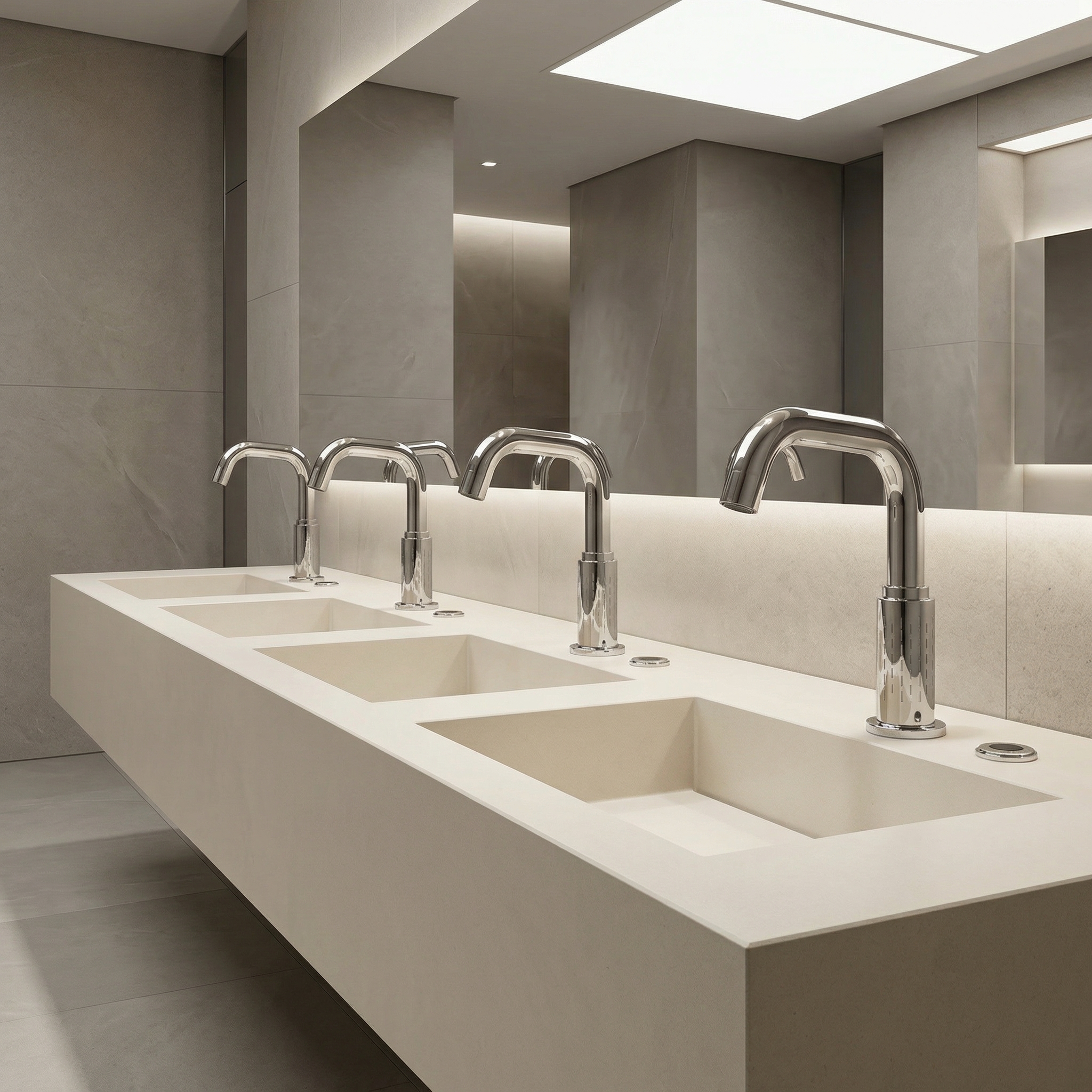
By 2026, commercial sensor faucets are evolving beyond simple touchless activation devices. They are becoming connected infrastructure systems integrated into smart facility management platforms.
Emerging trends include:
- IoT-connected restroom monitoring
- Predictive maintenance analytics
- Real-time water usage reporting
- Smart leak detection
- Adaptive flow control algorithms
- Centralized facility diagnostics
For airports managing millions of annual travelers, every operational improvement matters. Commercial sensor faucets are proving to be one of the most cost-effective infrastructure upgrades available for public restroom modernization.
Conclusion
Major airports are switching to commercial sensor faucets in 2026 because the benefits extend far beyond convenience. The transition is being driven by operational efficiency, water conservation, hygiene expectations, maintenance reduction, and long-term infrastructure durability.
As aviation facilities continue modernizing passenger environments, touchless plumbing technology is rapidly becoming standard infrastructure rather than optional luxury.
The airports investing in durable commercial-grade sensor systems today are positioning themselves for lower operating costs, stronger sustainability performance, and improved passenger satisfaction for years ahead.
Commercial Sensor Faucets: Professional Reviews & Field Experience
A review-based resource for architects, plumbing engineers, contractors, facility managers and commercial restroom teams evaluating sensor-operated faucets for offices, hospitality, public facilities and high-use washrooms.
Selected Commercial Sensor Faucet Reviews
The six reviews below were selected for their relevance to commercial specification and operation. Greater weight was given to reviewers describing actual projects, multi-unit installations, sensor behavior, installation, maintenance, durability or high-use environments.
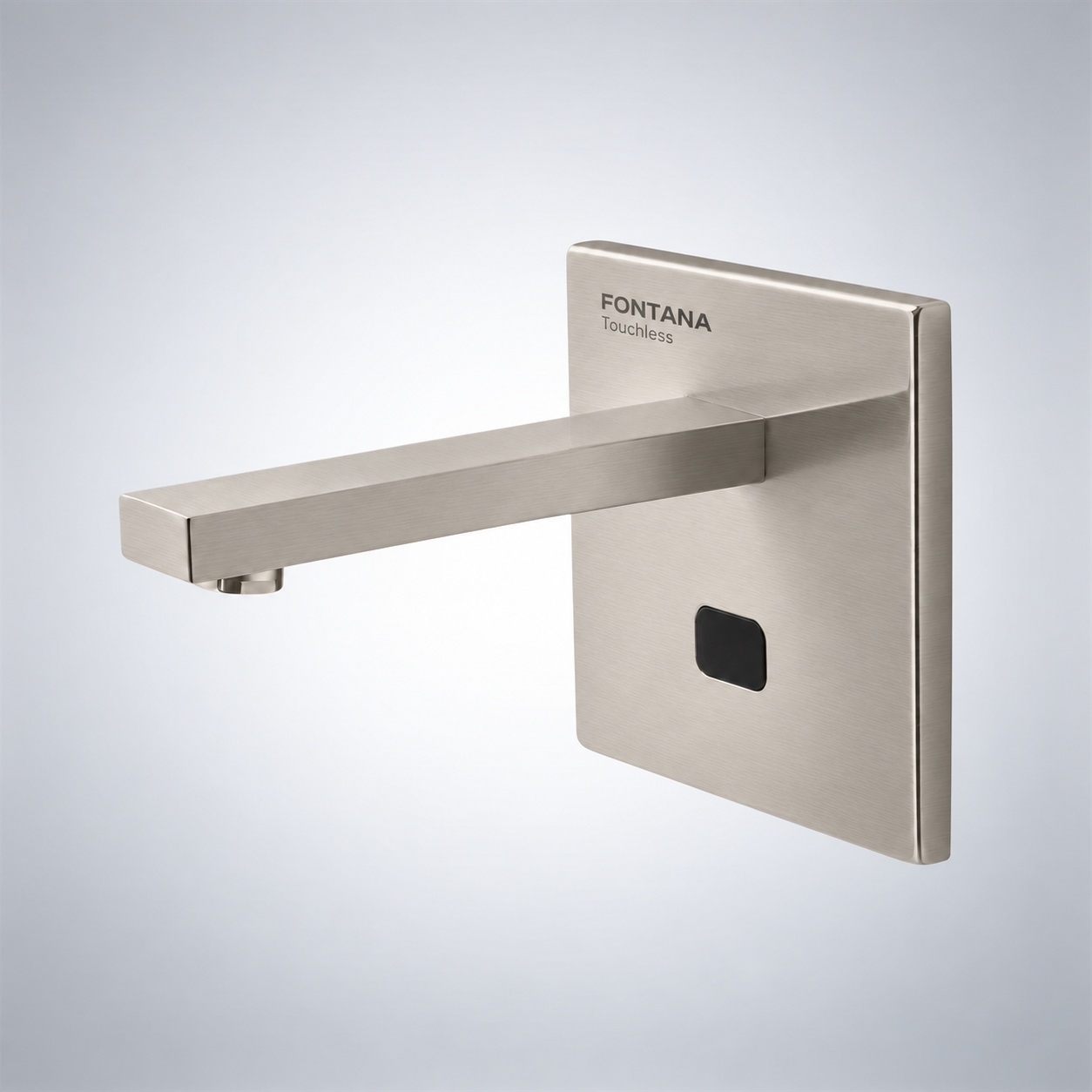
Fontana Commercial Brushed Nickel Wall Mounted XT5 Automatic Sensor Faucet
View Product →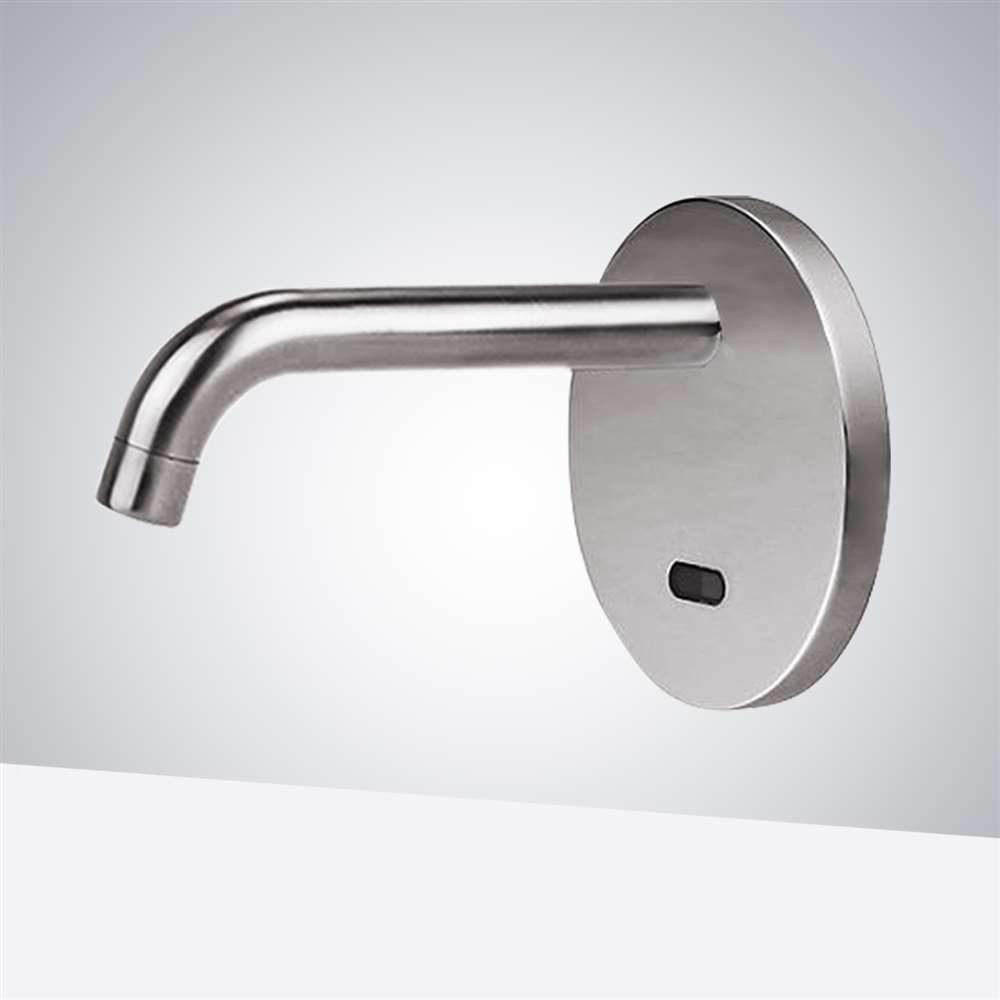
Fontana Electrical Sensor Commercial Sink Basin Brushed Nickel Faucet
View Product →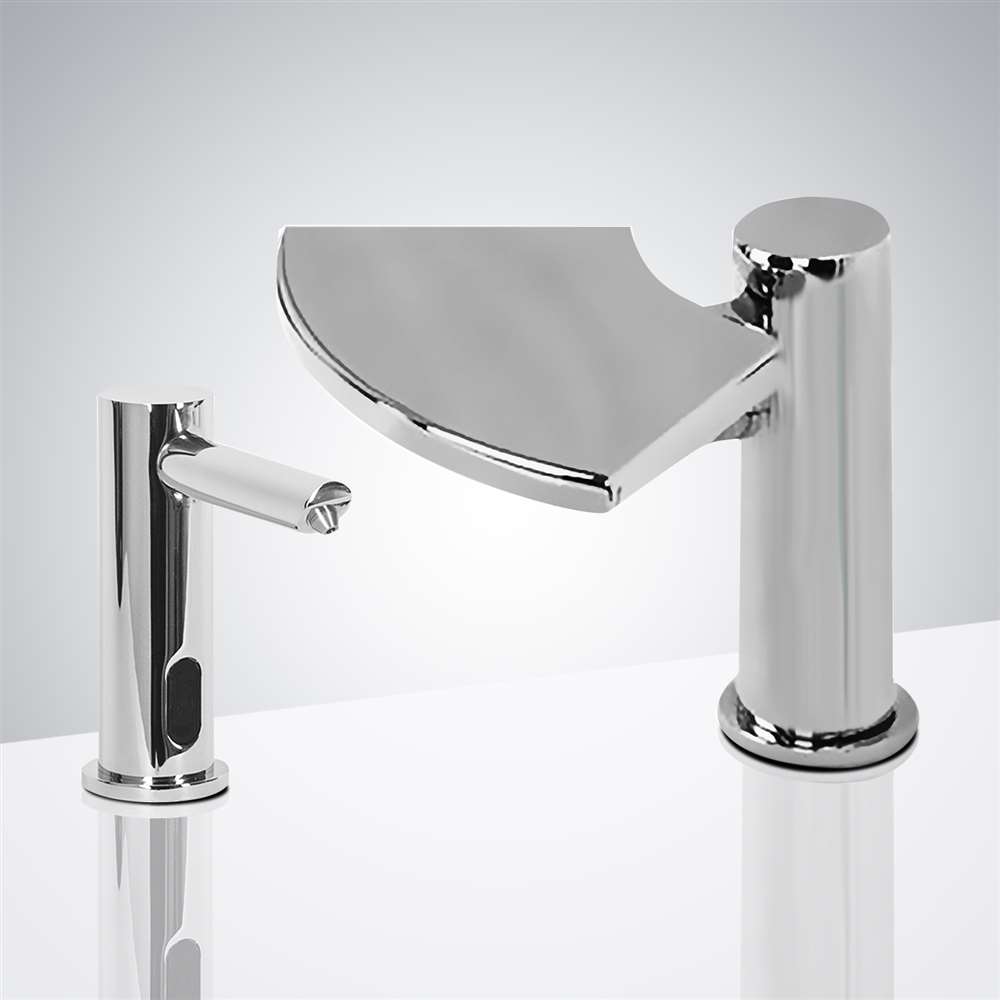
Fontana Deauville Commercial Hands-Free Motion Sensor Faucet
View Product →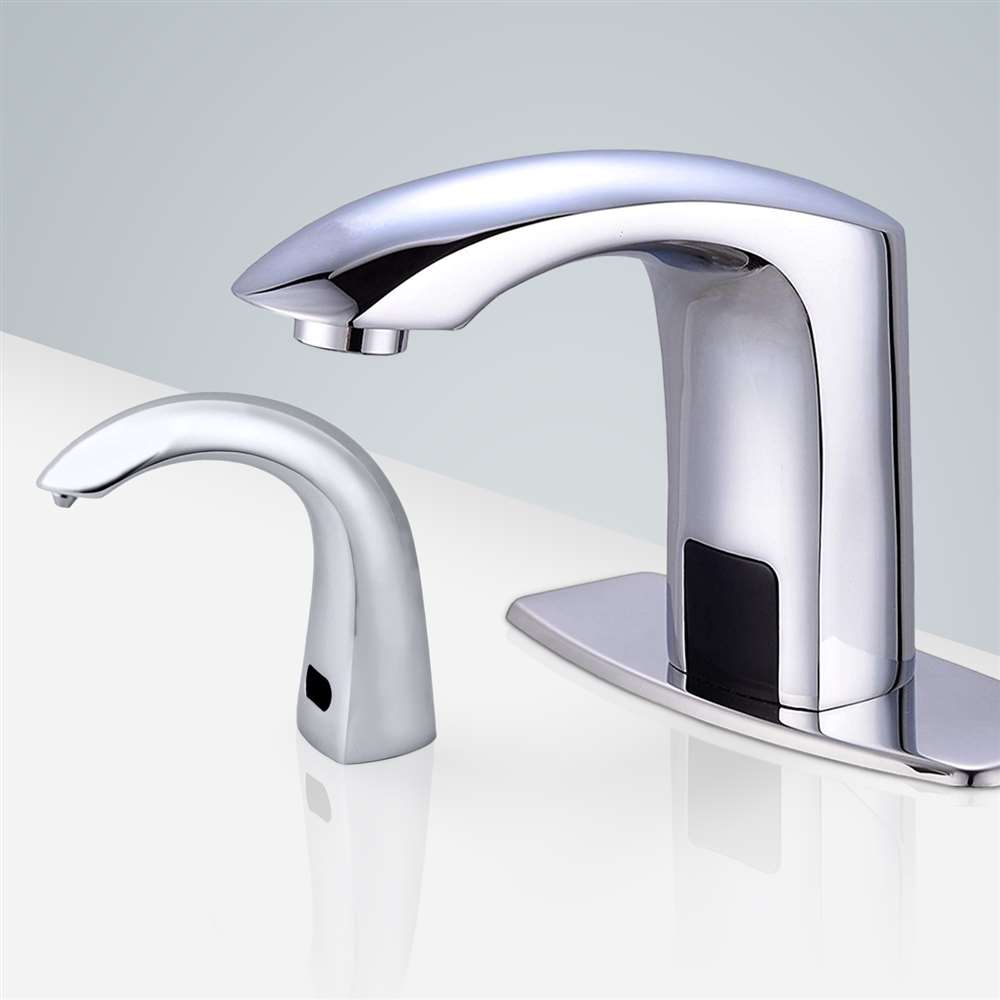
Fontana Geneva Commercial Automatic Hands-Free Motion Sensor Faucet
View Product →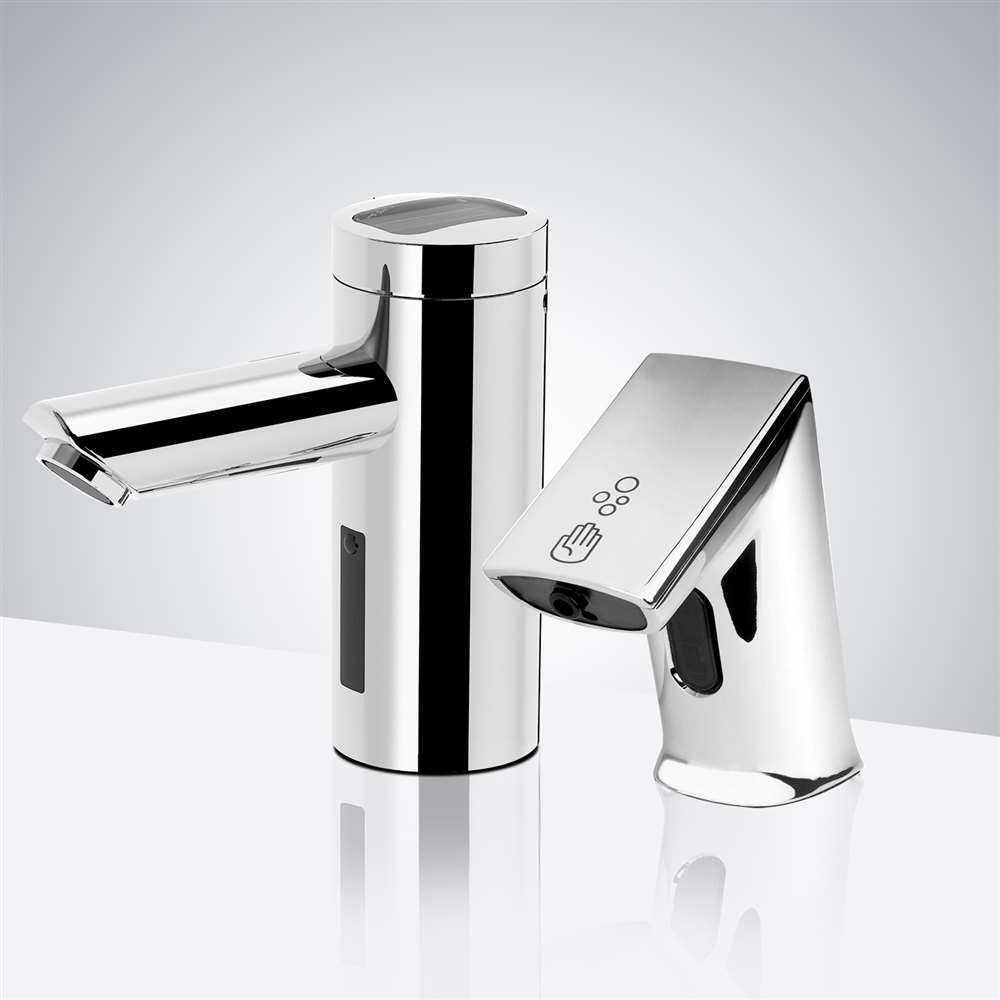
Fontana St. Gallen Commercial Chrome Motion Sensor Faucet
View Product →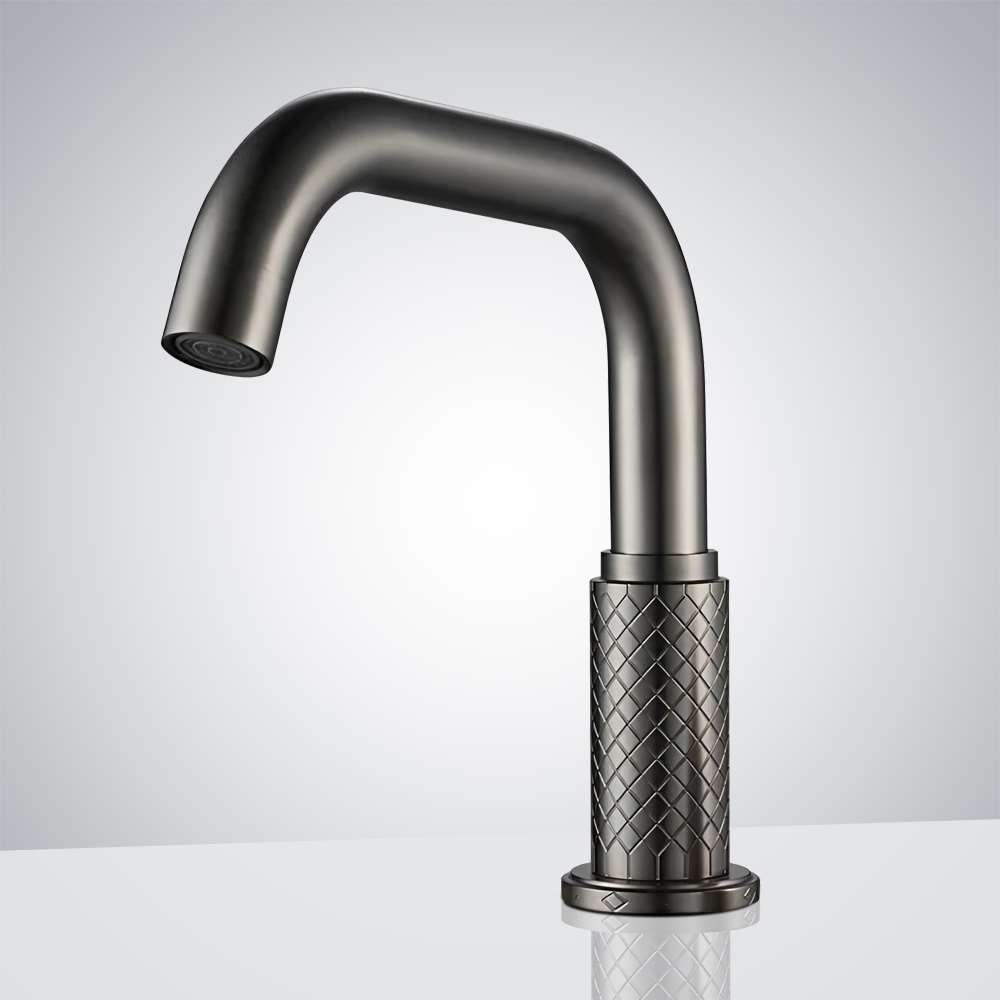
Fontana Gun Metal Gray Basin Bathroom Sensor Faucet
View Product →Commercial Sensor Faucet Review Matrix
The matrix below organizes the customer evidence around criteria that are typically more relevant to professional specification than star ratings alone.
| Model | Professional Context | Installation / Project | Sensor / Touchless Evidence | Durability / O&M Signal | Specifier Relevance |
|---|---|---|---|---|---|
| FSXT50B | Architectural practice | Business and bathroom applications | Sensor-operated fixture evaluation | Installation simplicity emphasized | Wall-mounted commercial specification |
| FS5061-B | Building-design practice | Five-unit office restroom installation | Touchless operation reported positively | Installation components and quality noted | Multi-unit workplace restroom projects |
| FS18174 | Architecture / design organization | 15-unit bathroom refurbishment | Automatic commercial faucet application | Product quality highlighted | Large fixture replacement programs |
| FS18146 | Architectural practice | Manual-to-sensor retrofit | Touchless function reported positively | Replacement motivated by leaking legacy fixtures | Commercial restroom retrofit planning |
| FS1837 | Design practice | Frequent-use application | Touchless fixture operation | Durability and material quality emphasized | High-use commercial washrooms |
| F-GMG356 | Architecture organization | Commercial lavatory integration | Sensor faucet application | User-friendly installation noted | Design-led commercial specification |
What These Reviews Tell Commercial Specifiers
Customer reviews are most useful when they provide evidence about real-world installation and operation. These six reviews collectively provide several project-level signals relevant to commercial restroom planning.
Review Selection Methodology
Reviews were selected from the FontanaShowers customer review dataset based on their relevance to commercial sensor faucet specification. Priority was given to identifiable architectural, design or commercial project contexts; multi-unit installations; automatic or sensor-operation feedback; installation observations; refurbishment experience; and durability or frequent-use commentary. Reviews were not selected solely because they received a five-star rating.