
Why Airport Restroom Design Matters for Passenger Experience in 2026
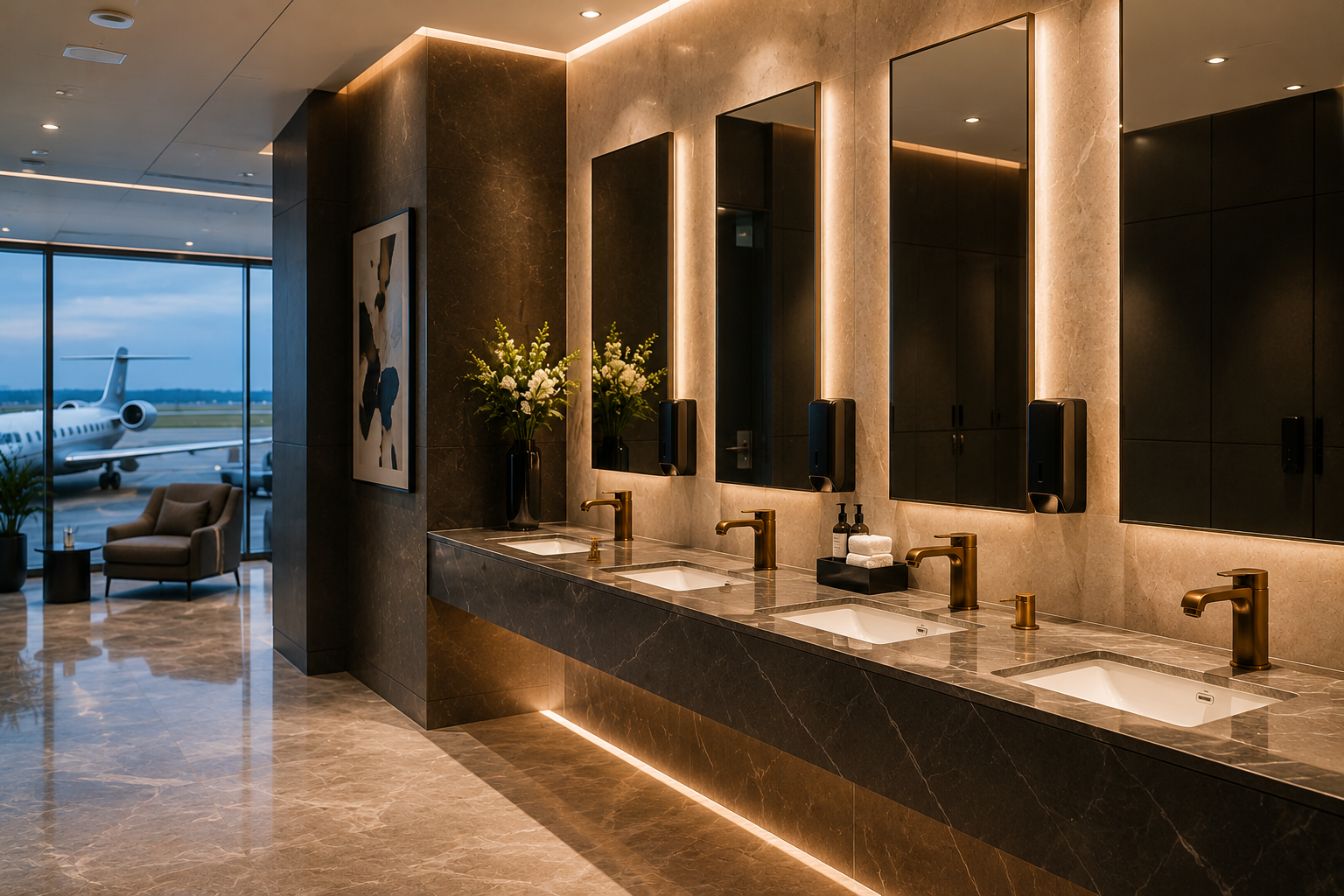
Airport restrooms are no longer background facilities. In 2026, they are one of the most visible indicators of airport quality, cleanliness, accessibility, and operational care. A well-designed restroom can reduce passenger stress, improve hygiene confidence, support faster terminal flow, and strengthen the airport’s overall customer-experience score.
In This Guide
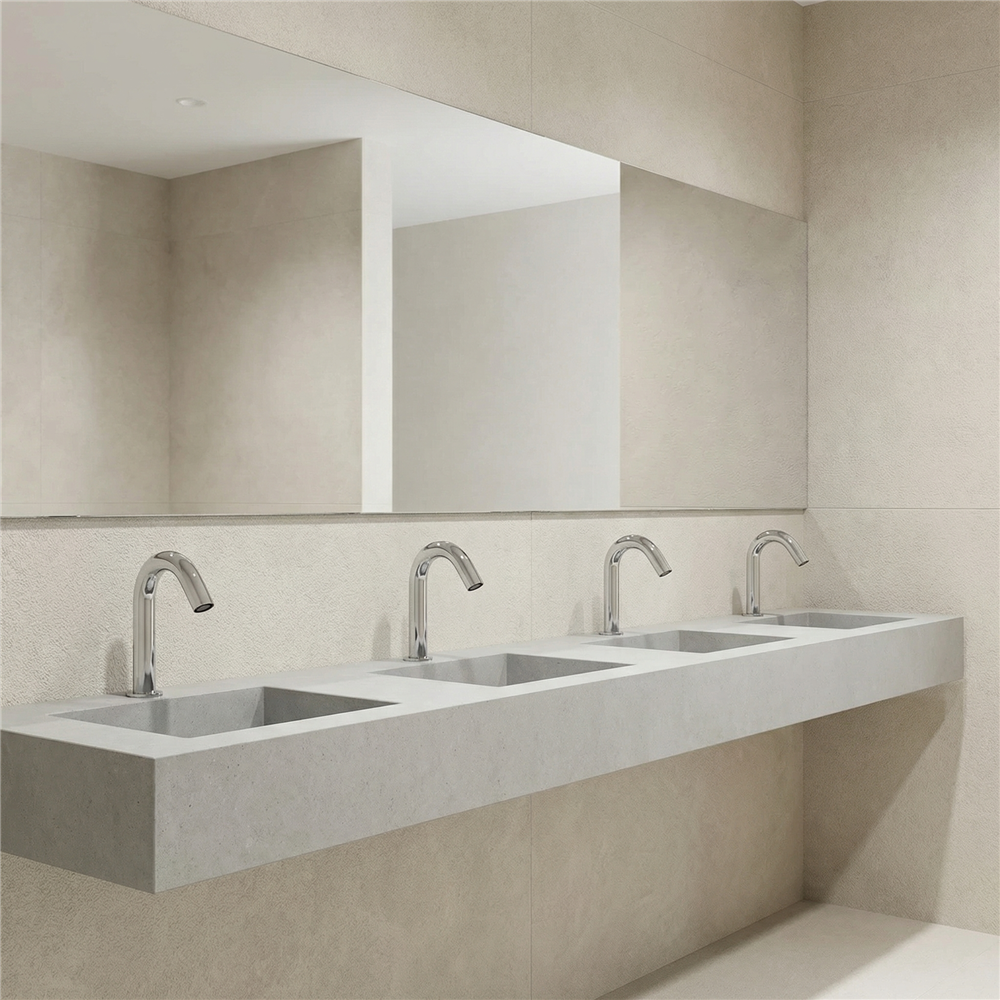
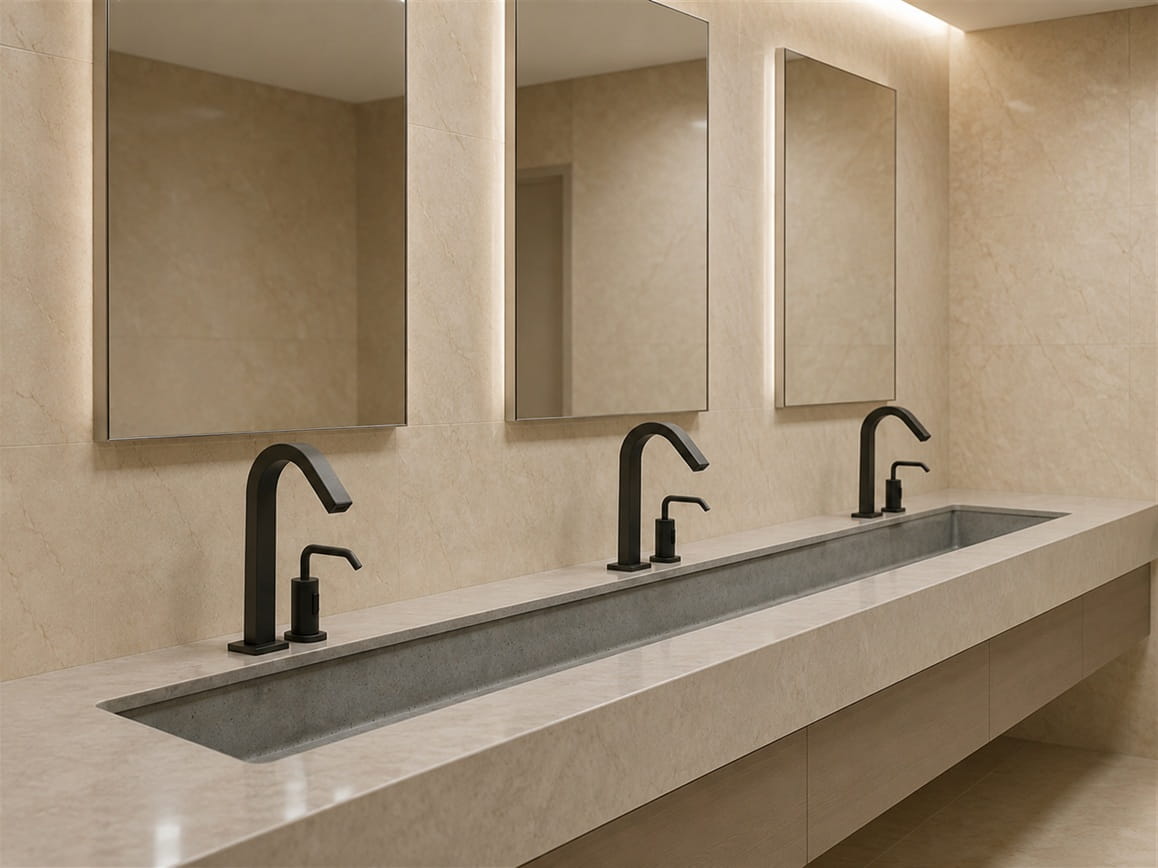
Airport Restroom Visual Planning Frames
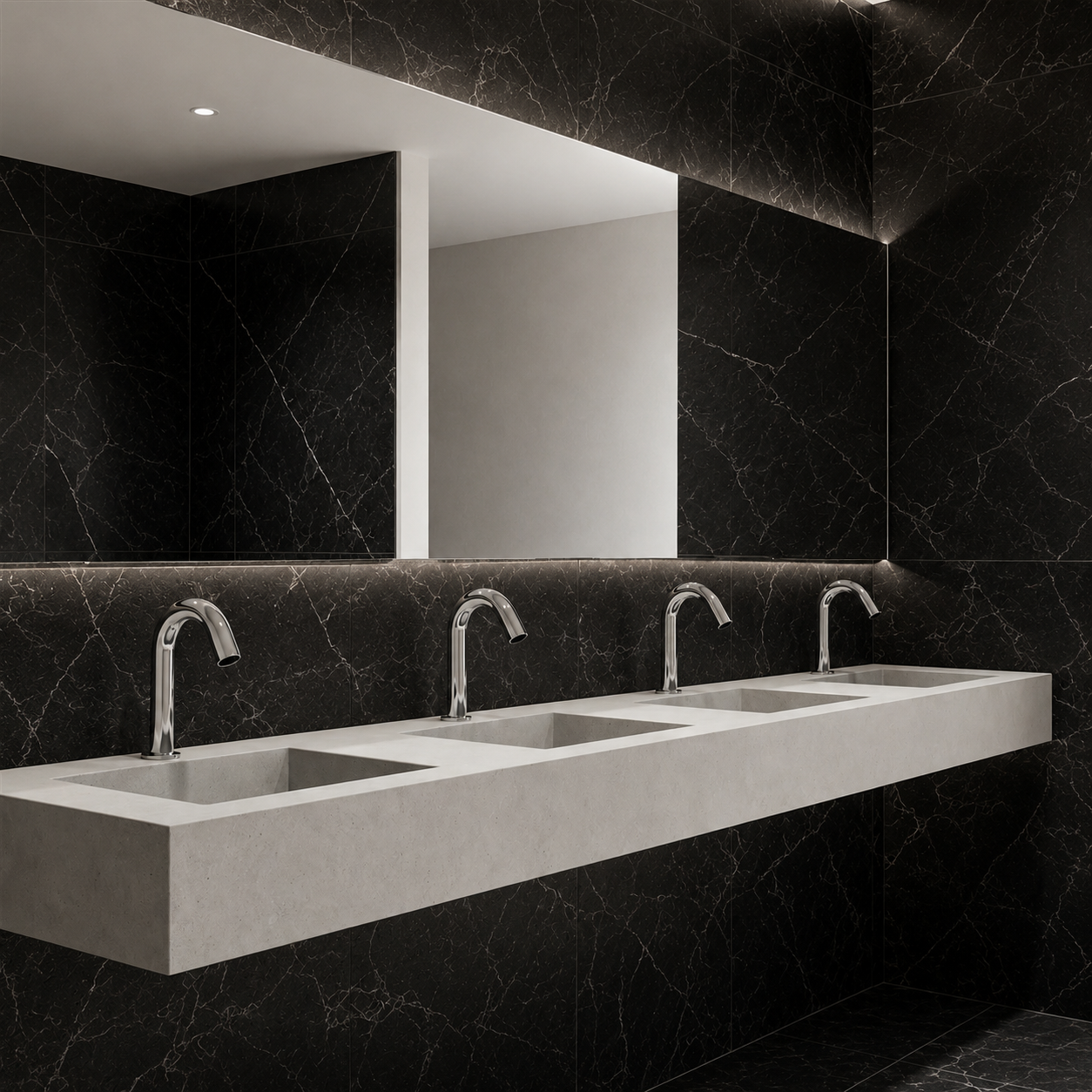
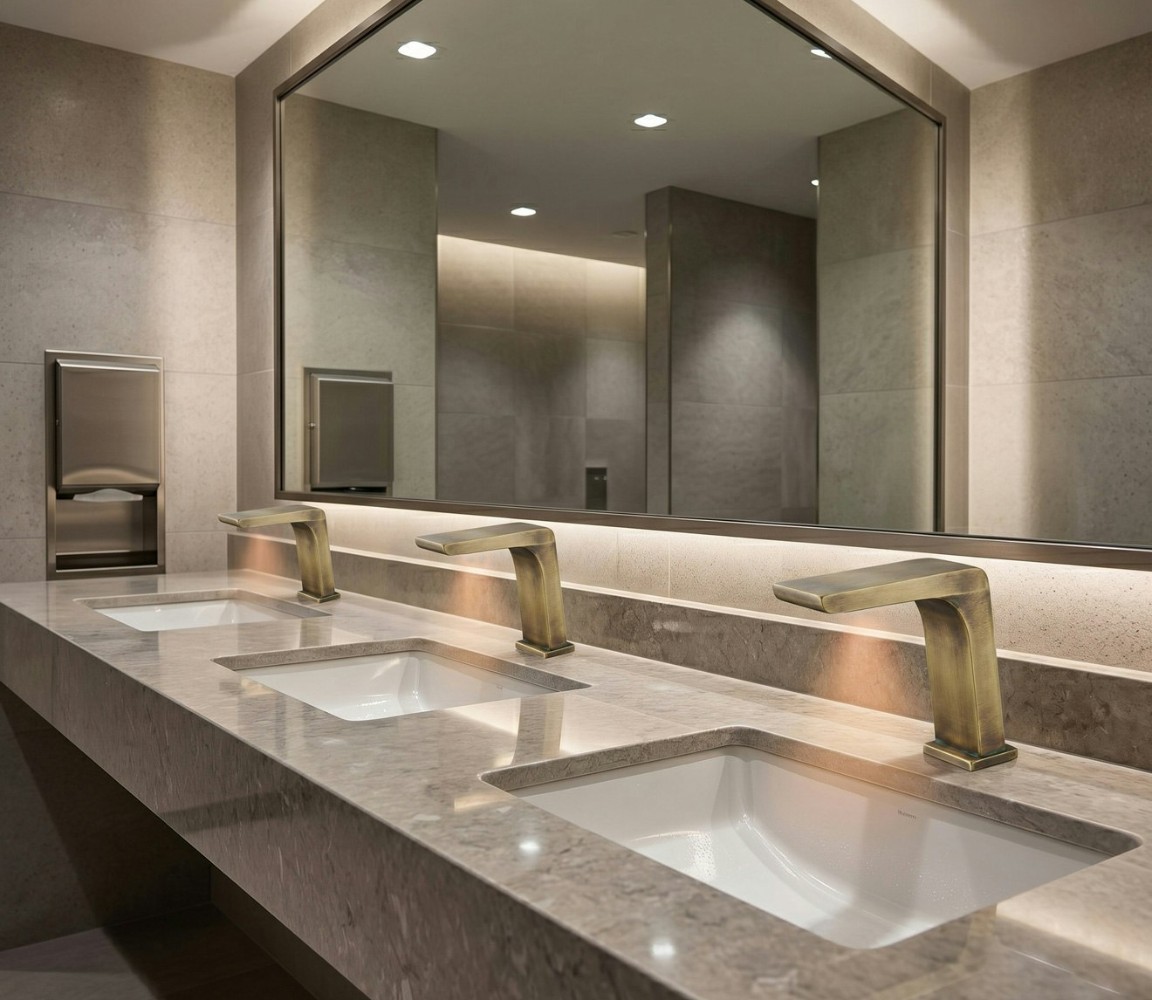
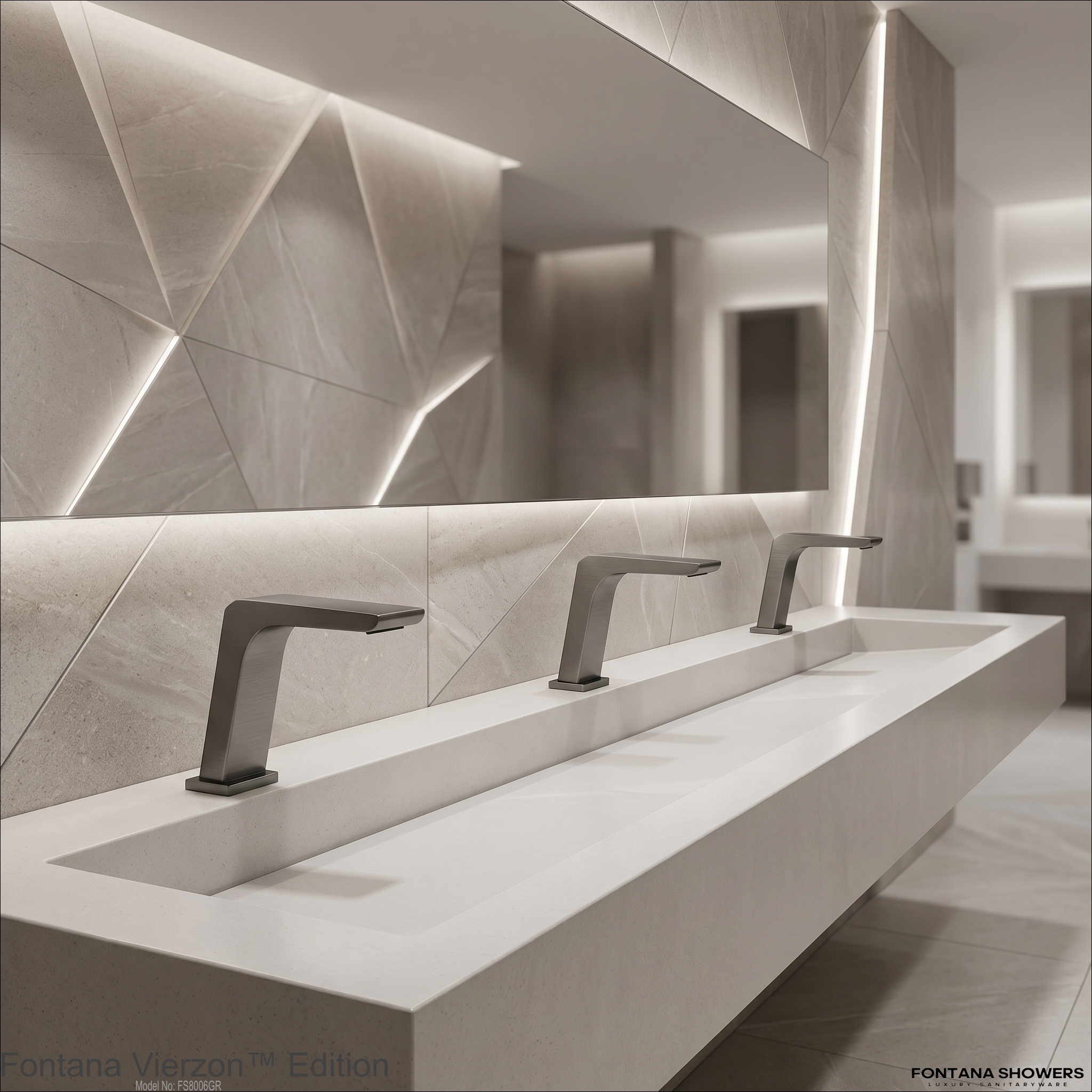
These additional image frames support the same airport restroom planning topic while keeping the page on a plain white, full-width card layout.
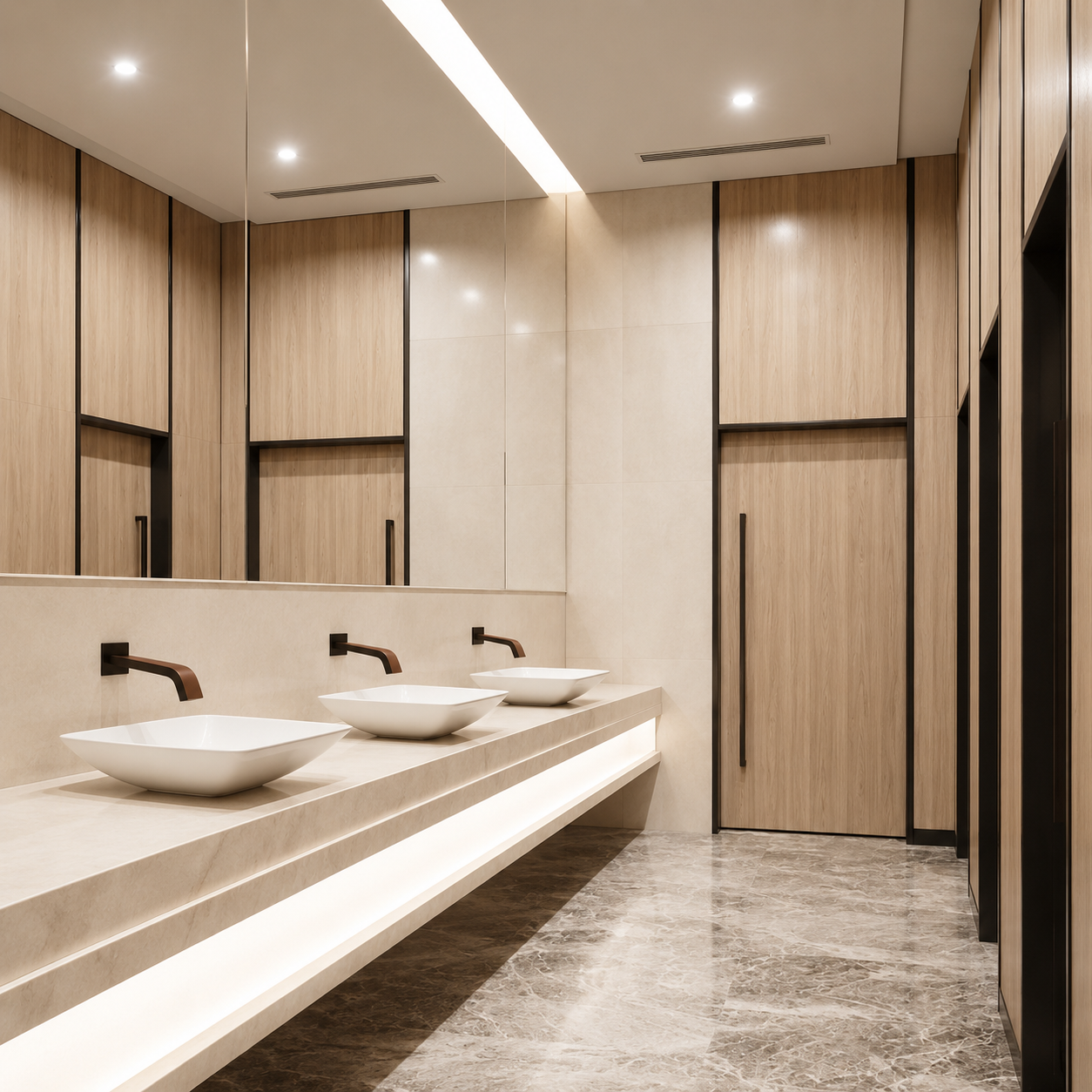
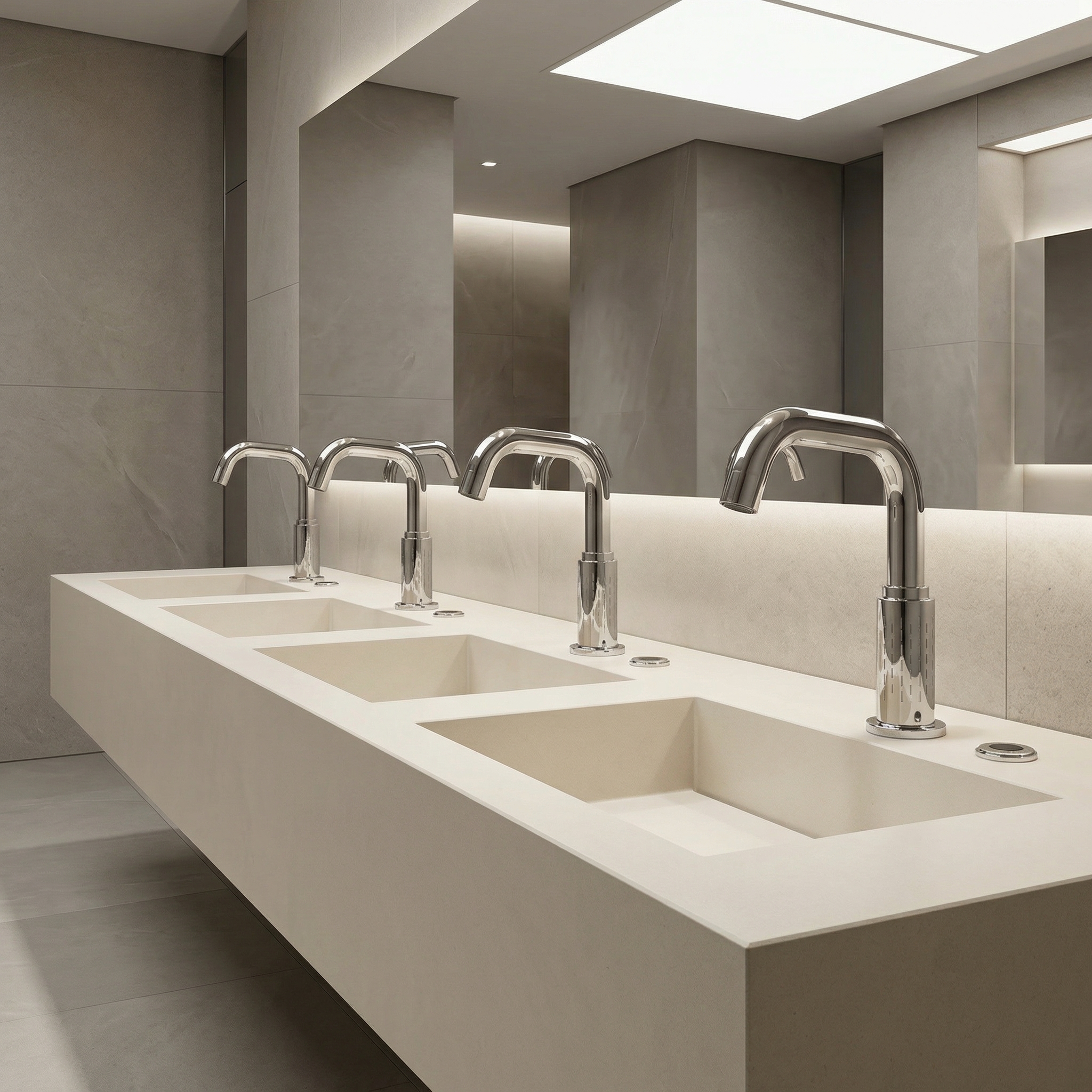
Restrooms Shape the Journey
Passengers may spend only a few minutes inside an airport restroom, but that moment can strongly influence how they judge the entire terminal. After security lines, long walks, flight delays, crowded gates, and tight connections, the restroom is one of the few spaces where travelers expect relief, privacy, and visible cleanliness.
Airport restroom design matters because it combines physical comfort with emotional reassurance. Travelers want restrooms that are easy to find, easy to enter with luggage, clean at peak times, well-lit, fast to use, and equipped with reliable touchless fixtures. When these expectations are met, passengers are more likely to perceive the airport as organized, safe, and professionally managed.
Cleanliness Signal
Passengers often use restroom cleanliness as a shortcut for judging the rest of the airport.
Flow Support
Clear layouts, efficient sink zones, and enough fixtures help reduce congestion during flight banks.
Accessibility
Family rooms, ADA-compliant layouts, and luggage-friendly paths improve comfort for diverse passengers.
Brand Trust
A polished restroom experience reinforces the airport’s promise of care, order, and reliability.
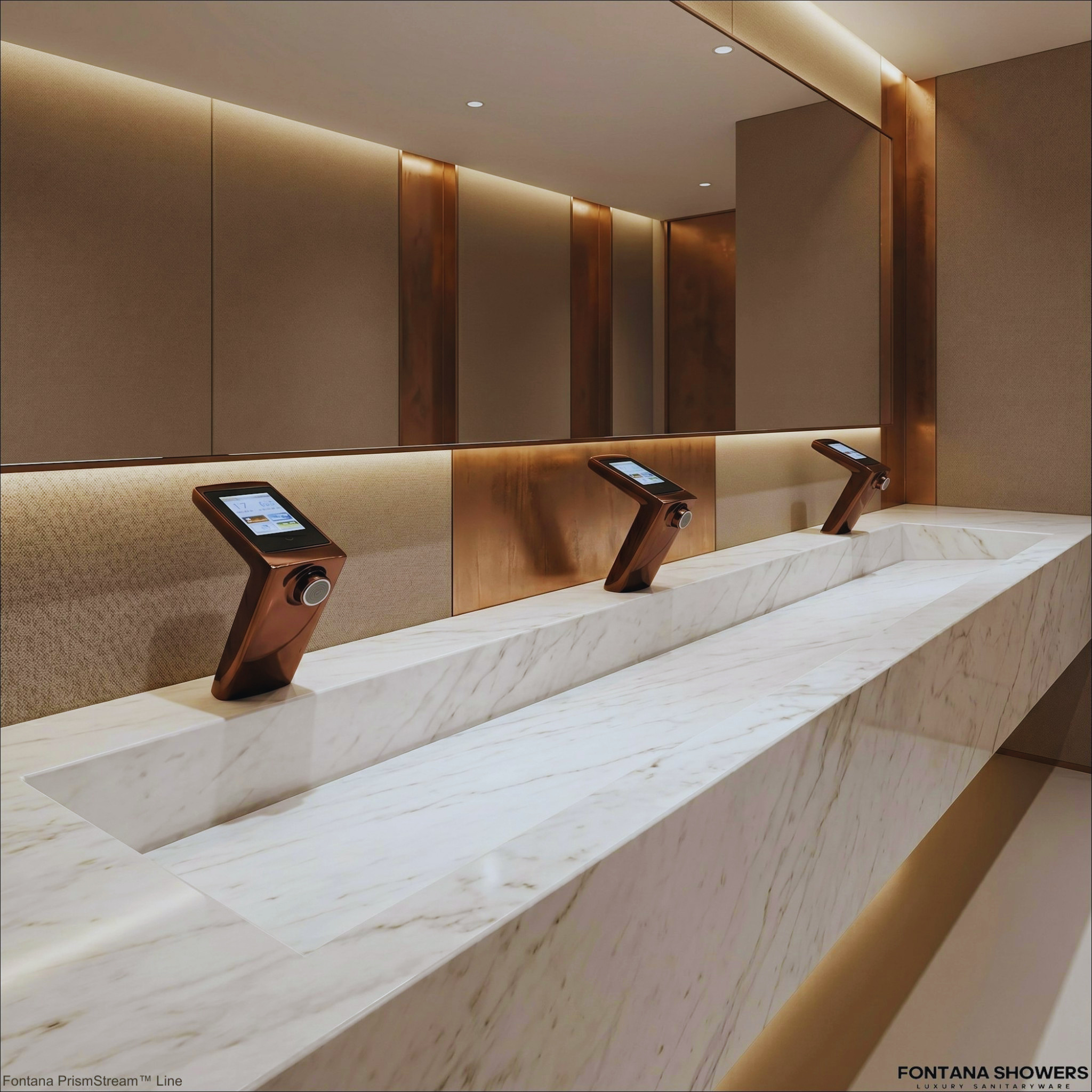
Passenger-First Restroom Reading
Airport restrooms are no longer background facilities. In 2026, they are one of the most visible indicators of airport quality, cleanliness, accessibility, and operational care. A well-designed restroom can reduce passenger stress, improve hygiene confidence, support faster terminal flow, and strengthen the airport’s overall customer-experience score.
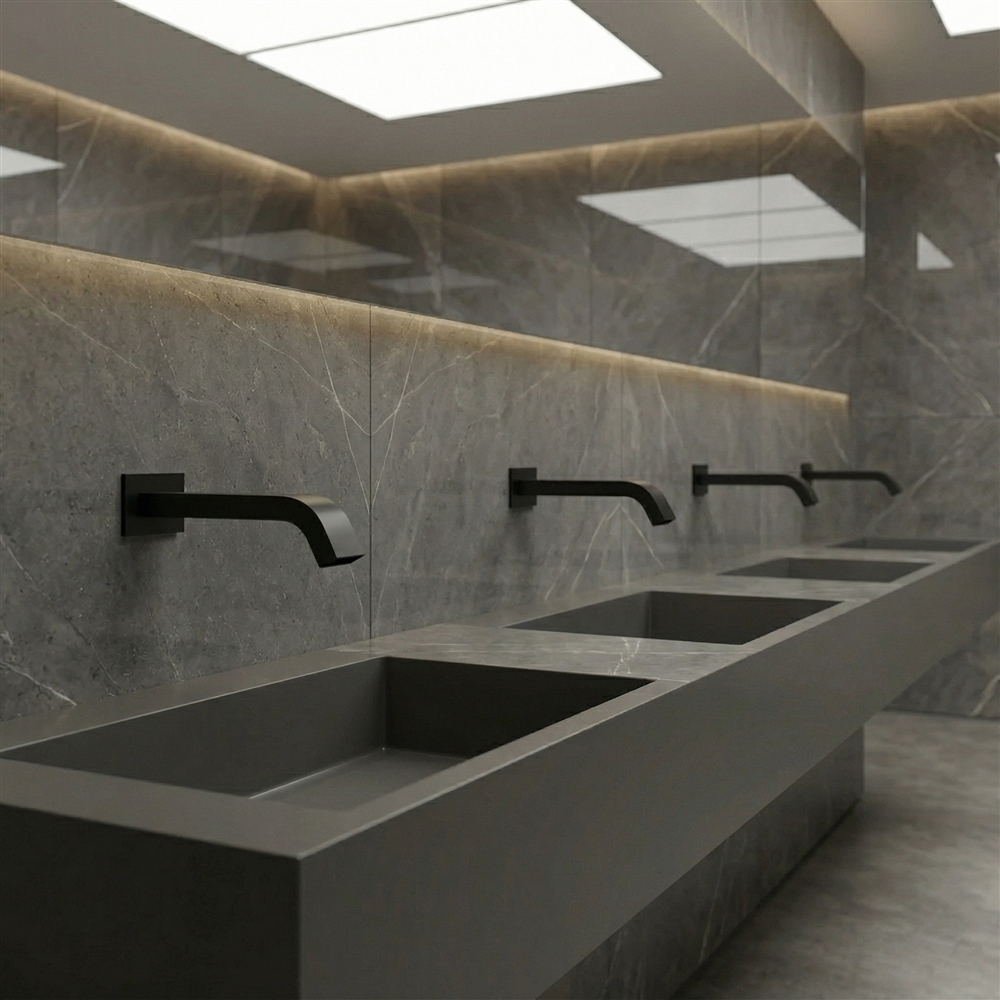
Data: Why Restrooms Matter
Passenger experience programs increasingly measure cleanliness, ambiance, comfort, accessibility, and service consistency. Restrooms sit directly inside these categories because they are used by nearly every passenger segment: business travelers, families, older adults, passengers with disabilities, airport staff, crew, and international visitors.
Recent restroom and airport customer-experience research points to a consistent pattern: clean, well-maintained restrooms improve trust and can influence whether people feel comfortable spending more time and money in a facility.

Design Elements That Improve Experience
Great airport restroom design balances aesthetics with throughput. The best restrooms look calm and premium, but they also solve practical passenger problems: bags in the way, long queues, wet floors, poor lighting, confusing entries, broken fixtures, and lack of privacy.
| Design Element | Passenger Benefit | Operational Benefit |
|---|---|---|
| Open entry layout | Faster entry and easier navigation with luggage | Reduces bottlenecks and improves visibility |
| Touchless faucets and soap | Cleaner, easier handwashing | Reduces touchpoints and supports hygiene standards |
| Integrated sink decks | Less splash and cleaner appearance | Easier wiping and faster cleaning recovery |
| Strong mirror lighting | Improves safety and comfort perception | Makes cleanliness issues easier to identify |
| Family and companion rooms | Supports parents, caregivers, and assisted travelers | Reduces misuse of accessible stalls |
| Durable materials | Consistent premium look during heavy use | Lower replacement and repair frequency |
| Real-time feedback buttons | Lets passengers report issues quickly | Helps teams respond before complaints escalate |
Restroom Planning Matrix
Airport restroom design should be planned as a passenger-experience system. The matrix below shows how restroom design decisions connect to comfort, hygiene, accessibility, and airport operations.
Wider circulation, better lighting, privacy, luggage space, and clear fixture placement reduce travel stress.
Touchless faucets, soap, dryers, visible cleaning schedules, and dry counters reinforce cleanliness.
Enough fixture counts and efficient sink zones prevent restroom queues from spilling into concourses.
Durable finishes, access panels, easy-clean counters, and standardized fixtures reduce downtime.
ADA-compliant stalls, family rooms, adult changing amenities, and assisted-use spaces serve more travelers.
Premium design tells passengers the airport invests in care, safety, and hospitality.
Operations Matter as Much as Design
A beautiful restroom will fail if it cannot be cleaned quickly, maintained efficiently, and monitored during peak traffic. Airports increasingly pair good design with smart operations: traffic sensors, feedback panels, cleaning dashboards, touchless fixtures, and preventive maintenance schedules.
Operational design means asking practical questions early: Can janitorial teams access supplies quickly? Are faucet parts standardized? Can sink decks be wiped without seams and clutter? Can passengers report a problem in seconds? Can cleaning frequency adapt to actual usage rather than fixed schedules?
Case Model: Arrival Restrooms
Arrival restrooms are one of the most important passenger-experience zones because travelers often need them immediately after long flights. A poorly placed or undersized arrival restroom can create discomfort, especially for older travelers, families with children, and passengers coming from flights where restroom use was restricted during descent.
Restrooms are too far from gates, too small for arrival surges, or difficult to enter with carry-on luggage.
Add restrooms near arrival paths, increase fixture counts, provide luggage-friendly circulation, and include family/accessible facilities.
Use touchless faucets, durable sink decks, high-capacity soap systems, and easy-service components.
Less discomfort after long flights, faster restroom access, better cleanliness perception, and stronger arrivals experience.
Old vs. Modern Restroom Design
| Category | Outdated Airport Restroom | Modern 2026 Airport Restroom |
|---|---|---|
| Passenger Flow | Narrow entry, poor queue management | Open entries, clearer circulation, fixture counts matched to peaks |
| Hygiene | Manual faucets, wet counters, inconsistent supplies | Touchless fixtures, dry sink decks, monitored soap and paper supply |
| Accessibility | Minimum compliance only | Family rooms, companion care, wider circulation, better signage |
| Maintenance | Reactive cleaning and repairs | Usage-based cleaning, feedback buttons, standardized fixtures |
| Design Feel | Institutional and hidden | Bright, hospitality-inspired, integrated with terminal brand |
| Passenger Impact | Frustration, uncertainty, lower confidence | Comfort, trust, faster use, better terminal perception |
FAQs
Why do airport restrooms affect passenger experience?
Restrooms are used by nearly every passenger type and strongly influence cleanliness perception, comfort, and trust in the airport’s operations.
What is the most important feature in airport restroom design?
Cleanliness is usually the strongest perception driver, but it depends on fixture reliability, easy-clean surfaces, touchless technology, lighting, ventilation, and cleaning frequency.
Do touchless faucets improve airport restroom experience?
Yes. Touchless faucets reduce shared contact points, make handwashing easier, and support a more modern hygiene experience when paired with reliable soap and drying systems.
Why are family restrooms important in airports?
They help parents, caregivers, travelers with disabilities, and passengers needing assistance use facilities with more privacy and dignity.
How can airports reduce restroom queues?
Airports can increase fixture counts, improve entry/exit flow, separate sink and stall circulation, add clear signage, and locate restrooms near high-demand areas.
What materials work best in airport restrooms?
Durable nonporous counters, corrosion-resistant faucets, commercial-grade partitions, anti-slip flooring, and easy-clean wall surfaces are preferred for high-traffic terminals.
How does restroom feedback technology help airports?
Feedback buttons and usage sensors help facility teams identify problems faster and adjust cleaning schedules based on actual passenger demand.
Should airport restrooms look like hotel restrooms?
Not exactly, but hospitality-inspired lighting, materials, and fixture choices can make public airport restrooms feel more comfortable and premium.
Conclusion
Airport restroom design matters for passenger experience because it directly affects comfort, hygiene confidence, accessibility, operational performance, and brand perception. In 2026, the best airport restrooms are not simply cleaner versions of old facilities; they are planned passenger amenities that support terminal flow, reduce stress, and help airports compete on customer experience.
For airport operators and design teams, restroom modernization should include touchless faucets, durable materials, clear circulation, accessible facilities, usage-based maintenance, and passenger feedback systems. When these elements work together, the restroom becomes a powerful signal that the airport cares about every detail of the journey.
Reference Sources
Use these authority sources for additional reading. Each link opens in a new tab.
ACRP Report 226
Airport terminal restroom and ancillary space planning guide for airport industry practitioners.
Open ACRP Report 226ACRP Report 130 PDF
Guidebook for airport terminal restroom planning and design.
Open ACRP Report 130ACI ASQ Program
Airport Service Quality program for passenger satisfaction and airport customer experience measurement.
Open ACI ASQACI Customer Experience Accreditation
Airport customer experience management framework and accreditation program.
Open ACI AccreditationACI-NA Passenger Amenities Survey
Airport passenger amenities and customer-experience survey reference.
Open ACI-NA SurveyFAA Airport Terminal Planning
FAA advisory circular for planning airport passenger terminal facilities.
Open FAA Terminal PlanningFAA Accessible Airport Facilities
FAA resource page for accessible airport facilities and related accessibility guidance.
Open FAA AccessibilityADA Lavatories and Sinks
U.S. Access Board technical guidance for accessible lavatories and sinks.
Open ADA LavatoriesCDC Clean Hands
Public health handwashing guidance for soap, clean running water, and hand hygiene.
Open CDC Clean HandsFontanaShowers Airport Restroom Faucets
Related touchless restroom faucet reference for airport and high-traffic public restroom applications.
Open Airport Faucet ResourceFontana Touchless Airport Facilities
Related touchless faucets and soap dispensers reference for airport facilities.
Open Airport Facilities ResourceFontana Aviation Faucets
Internal site reference for aviation restroom fixture content and related airport faucet pages.
Open Fontana Aviation FaucetsTouchless Faucet Reviews: Commercial Sensor Performance & Field Experience
Six additional touchless faucet reviews selected for architects, plumbing engineers, contractors, facility managers and specification professionals evaluating sensor reliability, power redundancy, water control, maintenance and commercial restroom performance.
Six Additional Touchless Faucet Reviews
This collection is separate from the earlier Touchless Faucet review page. The reviews were prioritized for commercial-use evidence involving sensor response, water control, installation, high-frequency operation, maintenance requirements or professional architectural and engineering contexts.

Fontana AuraClean Granite Champagne Touchless Sensor System
View Product →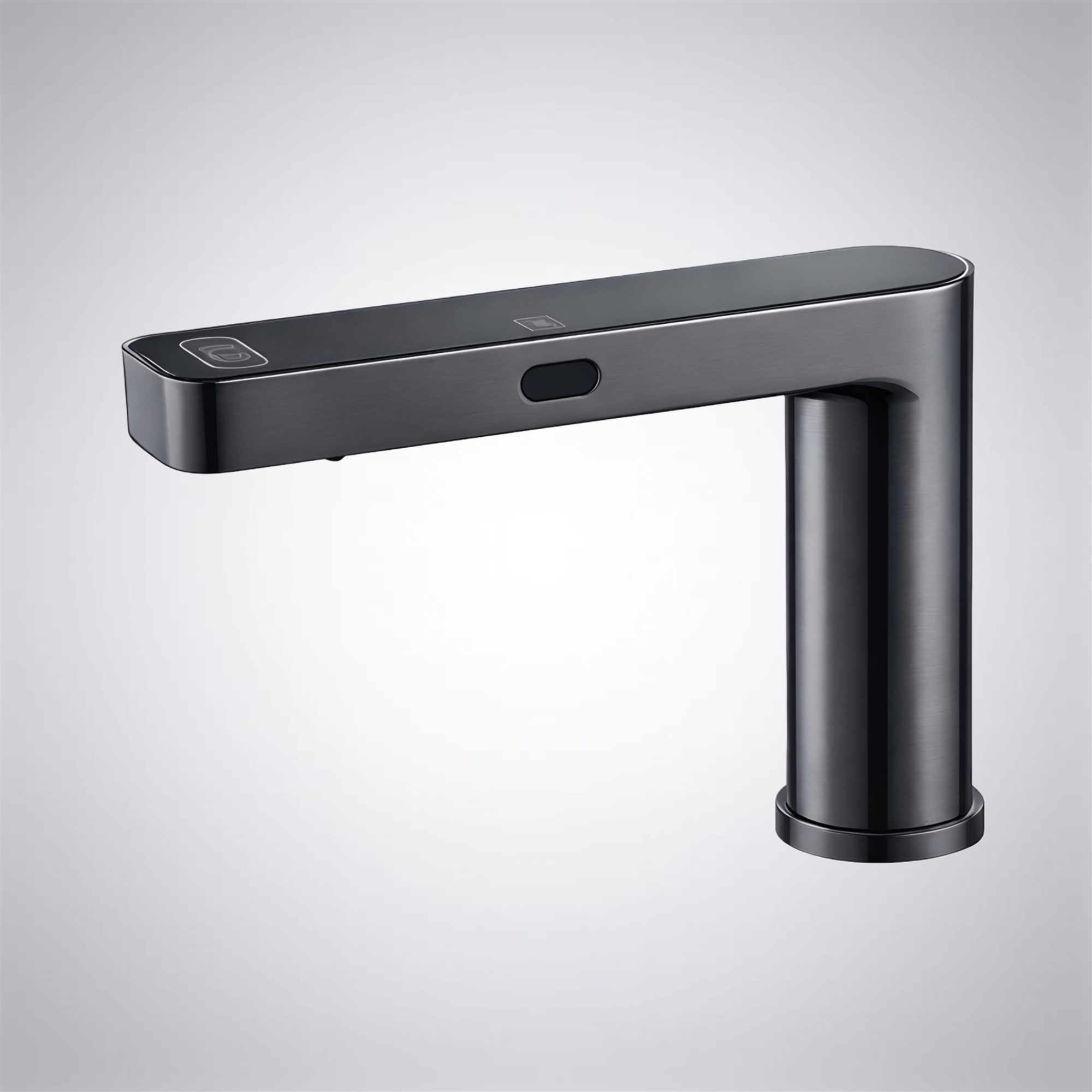
Fontana AuraFlow Supreme Gunmetal Touchless Faucet System
View Product →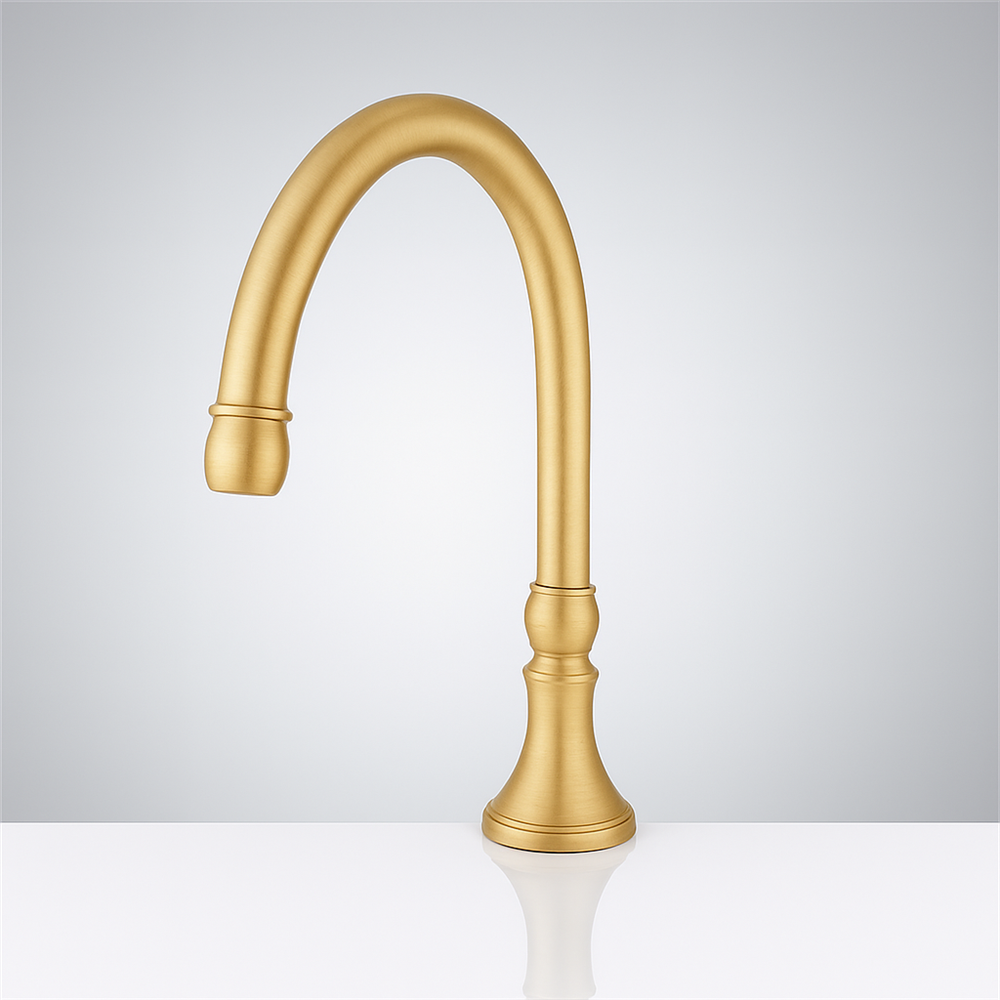
Fontana Siena Matte Brushed Gold Touchless Sensor Faucet
View Product →
Fontana Siena Titanium Gold Smart Touchless Faucet
View Product →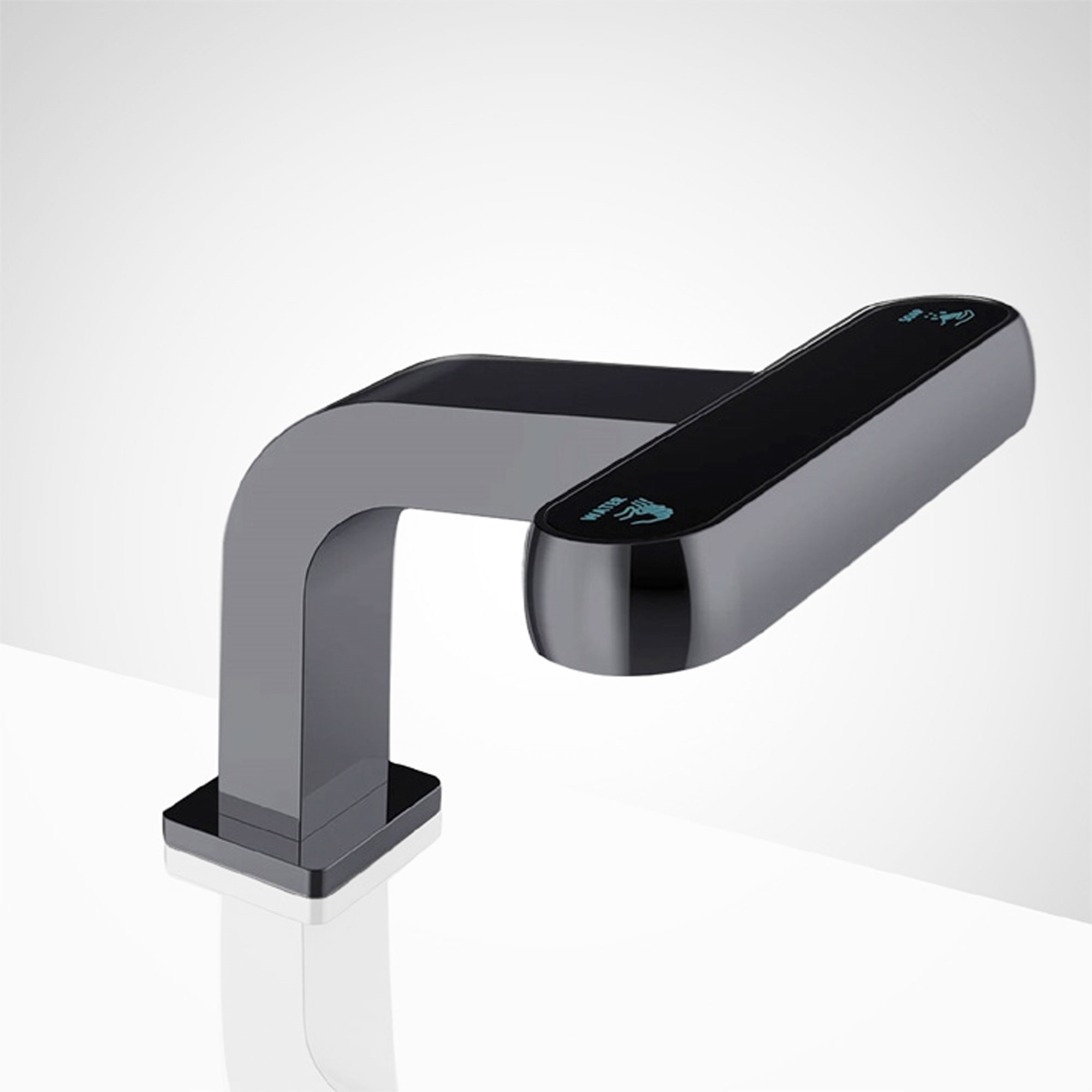
Fontana InfinityWave Gunmetal Grey Smart Sensor Faucet
View Product →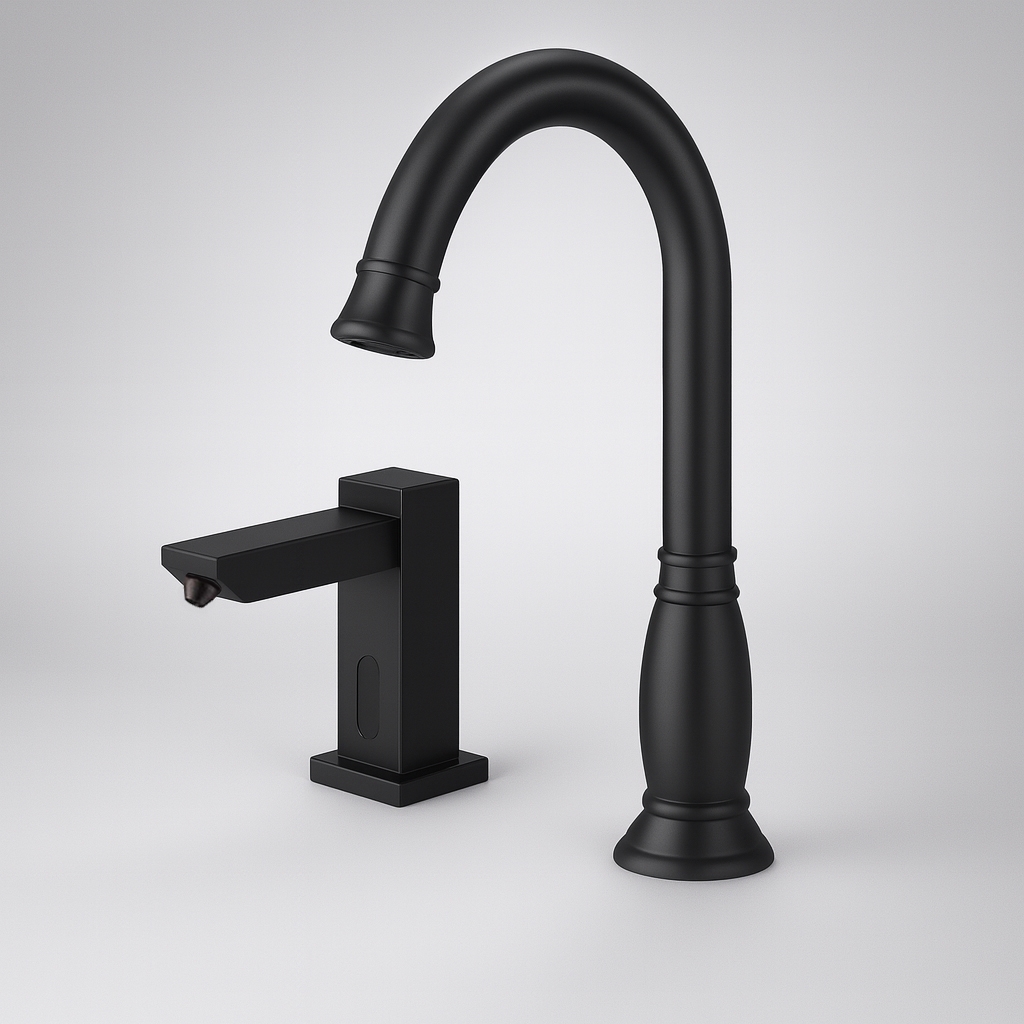
Fontana InfinitySen Gunmetal Commercial Touchless Faucet System
View Product →Touchless Faucet Professional Review Matrix
This matrix organizes the review evidence around criteria that matter to professional project teams: sensor operation, power strategy, traffic level, maintenance implications and architectural integration.
| Model | Reviewer Context | Sensor / Control | Power Strategy | Commercial Evidence | Professional Relevance |
|---|---|---|---|---|---|
| FS10515GC | Facility perspective | Infrared touchless activation | AC/DC hybrid | Large-scale high-traffic restroom context | Facility operation and lifecycle planning |
| FS20028GMG | Commercial facility use | Infrared sensor operation | AC/DC compatibility | Office and airport relevance | Infrastructure and commercial restroom projects |
| FS-1095-MBG | Commercial project review | Contactless motion detection | Hybrid commercial power | High-frequency restroom operation | Design-led commercial applications |
| FS-1095-TG | Facility application | Infrared activation | Commercial powered platform | Airport and healthcare relevance | High-traffic architectural projects |
| FS2305GMG | Electrical engineer | Smart sensor system | Electronic commercial power system | High-frequency operation | Electrical and controls coordination |
| FS9088GMG | Architect | Infrared sensor + automatic dispenser | AC/DC commercial platform | Large office-building project | Architecture and restroom-system integration |
What Professionals Can Take From These Reviews
Across this second review set, recurring field signals relate to reliable activation, power resilience, maintenance planning and integration with high-traffic commercial restroom design.
E-E-A-T Review Framework
Review Selection Methodology
Six touchless faucet reviews were selected for relevance to architecture, engineering and commercial facility use. Priority was given to reviews discussing infrared activation, hybrid power, automatic water control, high-traffic operation, commercial durability, maintenance or professional project integration. This set was intentionally selected separately from the earlier Touchless Faucet review collections, and star rating alone was not used as the selection criterion.